
 KOR
KOR'Four Minutes of Terror': Dementia Patient Dies After Assault by Caregiver
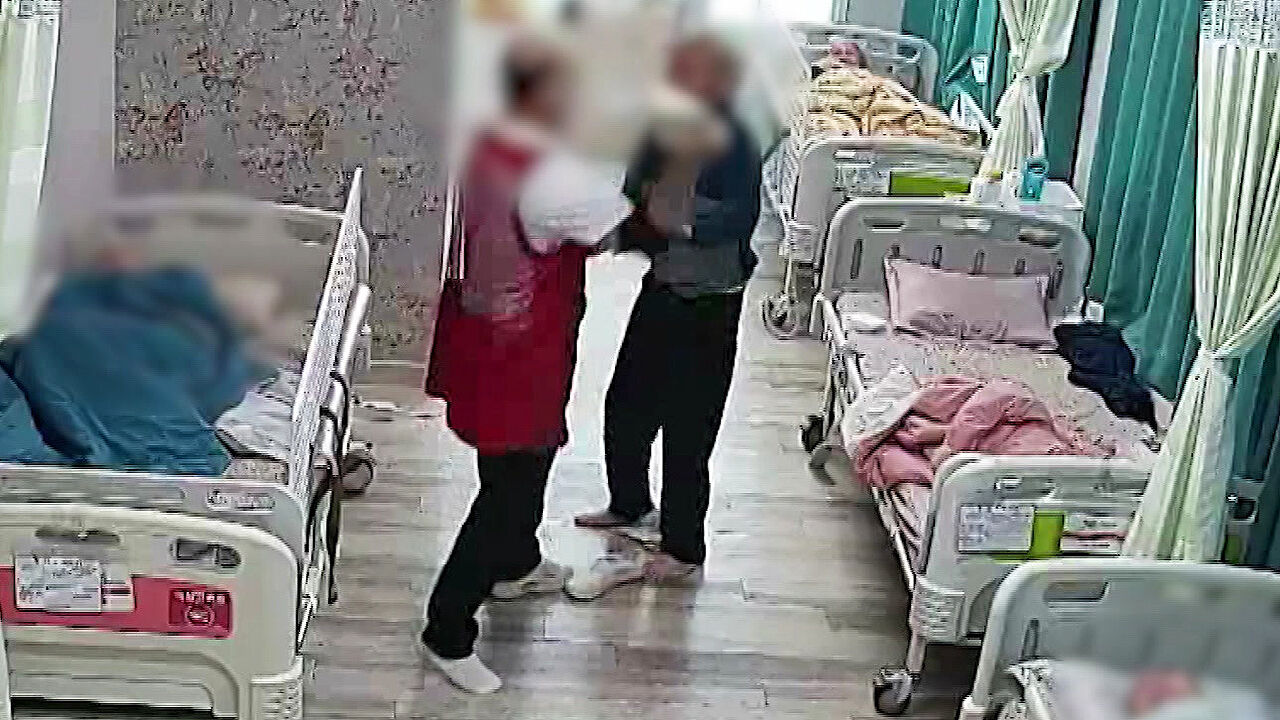
The assault took place not in a private room, but in a shared room, meaning the humiliating assault was carried out in front of everyone, even if they were patients with dementia. The elderly man was scheduled for a family visit the following day. It appears that when the caregiver approached him to shave him, the elderly man, startled by the sudden razor blade, resisted in panic, prompting the angry caregiver to assault him in a fit of rage. Furthermore, the caregiver did not inform the nursing home that they had beaten him. Ultimately, the assaulted elderly man passed away the next day, on the day of his scheduled visit. The cause of death was reported as "traumatic subdural hemorrhage," a type of brain hemorrhage where blood pools under the dura mater, the thin membrane surrounding the brain, due to external impact. It was the nursing home that reported the assault. Noticing that the elderly man was staying in the restroom unusually long, vomiting, and sweating profusely, the nursing home staff sent him to the hospital first. They then reviewed the CCTV footage to check if he had eaten something wrong or fallen.
Grandson of the deceased elderly man
"Because he was in the restroom for too long, they went in two or three times to check on him. I heard he was sweating profusely, so one of the caregivers helped him out."
However, upon checking the footage, they discovered a four-minute assault and subsequently reported it to the police. If they had not reviewed the CCTV footage, this assault might have gone unnoticed and remained unknown to anyone.
Caregiver Who Denied Charges Changes Story After CCTV Footage Released

Grandson of the deceased elderly man
"Even if they begged for forgiveness and apologized, it would still be an infuriating situation. But because they denied it like that, I honestly felt an unbearable anger."
The court noted that there is clear physical evidence—the CCTV footage—proving the assault. Although the elderly man resisted at times, the court ruled that such a severe assault by a caregiver, who has a duty to protect the elderly, cannot be viewed as simple self-defense, but rather as an act of venting anger. Lastly, the court accepted all medical causal relationships based on the autopsy results, including the fact that the elderly man had no pre-existing conditions that could have caused his death, and the medical examiner's testimony that "traumatic subdural hemorrhage" could not have occurred without external trauma. However, considering that the caregiver was a first-time offender and of advanced age in their 60s, the court sentenced them to only four years in prison, half of the eight-year sentence demanded by the prosecution for injury resulting in death.
Why Does Assault in Elderly Care Facilities Keep Happening?

From the perspective of the elderly man, who now suffered from dementia but once actively participated in society and raised children, he likely never expected to be so helplessly assaulted in a nursing home and leave the world in such a manner in his final years. This is why it is difficult for us to view this as someone else's problem. No matter how healthy or wealthy we are now, we do not know when or how we will age and end up in a nursing home. In an era where dying well is just as important as living well, we must reflect on whether we are truly prepared.
※ Please note: This article was translated by AI and may contain errors.


 Video News
 Video News
 Video News
 Video News
 Video News