
 KOR
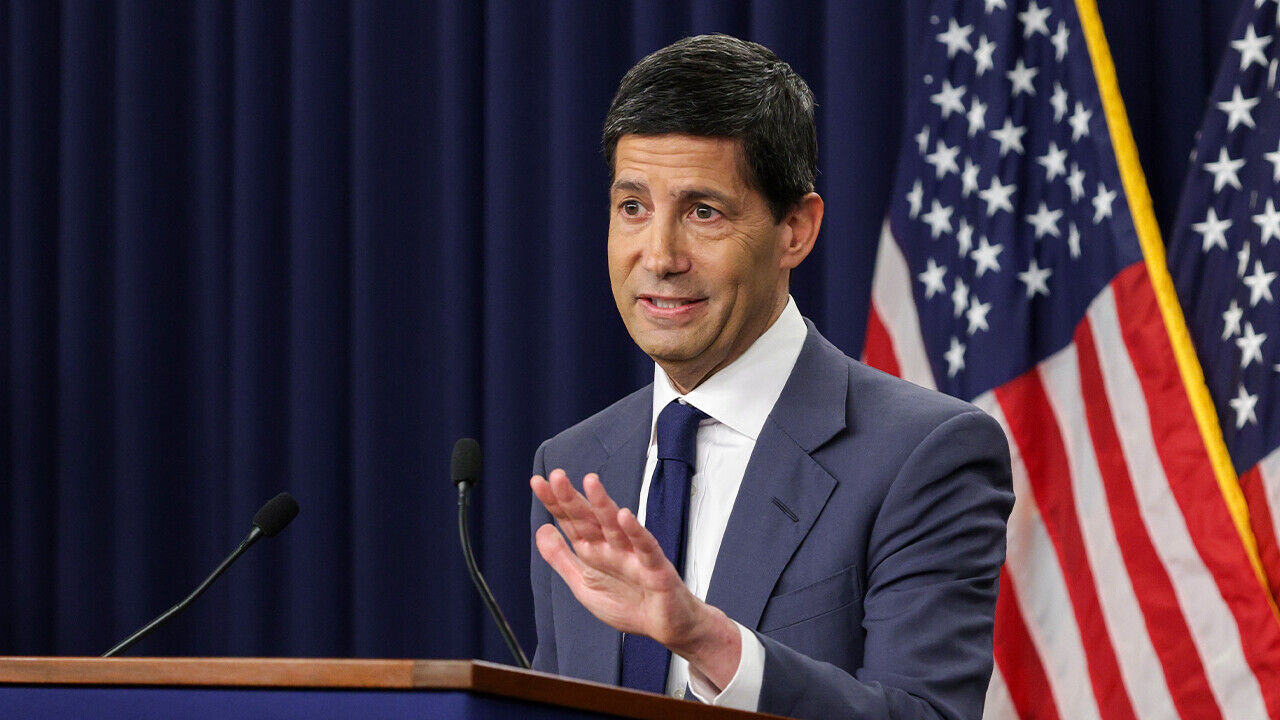
▲ Federal Reserve Chair Kevin Warsh
The US central bank, the Federal Reserve, kept its benchmark interest rate frozen at 3.75 to 4.00 percent on the 28th (local time).
This decision maintains the current rate level without further hikes following last month's interest rate increase, which was the first in 3 years and 2 months.
The Fed announced that this decision was made during the Federal Open Market Committee (FOMC) meeting.
The decision passed with 10 votes in favor and 2 against among the 12 voting members of the FOMC, which include Fed governors and regional Federal Reserve Bank presidents.
With this rate freeze by the Fed, the interest rate gap between South Korea (3.00%) and the US remains at 1.00 percentage points (based on the upper bound of the US rate).
In a statement, the Fed assessed that "economic activity is expanding at a solid pace," noting that despite geopolitical uncertainties, domestic spending remains robust and productivity and capital investments are firm.
Regarding employment, it stated that job gains have been matching labor force growth and the unemployment rate has remained largely unchanged.
However, the Fed emphasized that "inflation remains elevated," adding that it will determine the appropriate stance of monetary policy to return inflation to its 2 percent target based on incoming economic data.
Previously, the Fed lowered interest rates three consecutive times in September, November, and December of 2024, and again in September, October, and December of last year.
After freezing rates for five consecutive times earlier this year, the Fed shifted back toward monetary tightening by raising rates last month for the first time in 3 years and 2 months.
This freeze is interpreted as a measure to assess the impact of last month's rate hike before deciding on any further tightening.
The decision has also drawn attention as it came ahead of the US midterm elections on November 3, where the burden of high inflation has emerged as a major issue.
However, because the Fed evaluated that inflationary pressures remain high and kept the possibility of additional rate hikes open, the potential for resumed monetary tightening after the elections remains.
(Photo: Getty Images)
※ Please note: This article was translated by AI and may contain errors.


 Video News
 Video News
 Video News
 Video News
 Video News