
 KOR
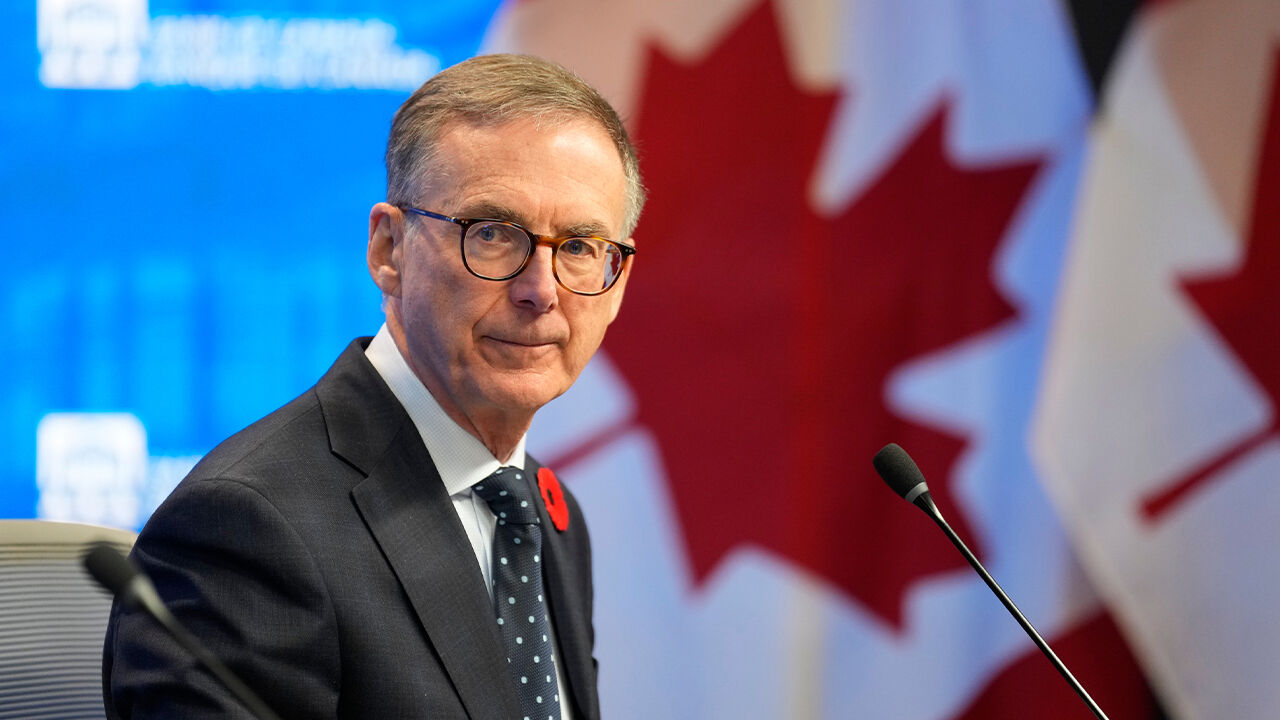
▲ Bank of Canada Governor Tiff Macklem
The Bank of Canada (BOC) has raised its benchmark interest rate for the first time in roughly 40 months.
On the 28th (local time), the Bank of Canada increased its benchmark interest rate by 0.25 percentage points from 2.25% to 2.50% per annum.
This marks Canada's first interest rate hike in 3 years and 3 months, since July 2023.
After lowering its benchmark rate to 2.25% in October of last year, Canada had frozen the rate for seven consecutive meetings through last month. However, as energy-driven inflation pressures intensified, the central bank shifted its direction back toward tightening.
This latest rate hike is seen as a measure to prevent the surge in energy prices from spreading into a generalized rise in consumer prices.
Bank of Canada Governor Tiff Macklem stated, "With the inflation outlook significantly elevated and the economy showing resilience, a rate hike is necessary to reduce the risk that high energy prices will lead to broad-based price increases."
He added, "Further rate increases may be necessary, but we will take a cautious approach given the uncertainties."
Canada's consumer price inflation rate for September stood at 3.2%, exceeding the central bank's target range of 1 to 3%.
Rising costs related to energy and transportation were cited as the primary drivers.
The central bank significantly revised its inflation forecast for next year from its previous 2.0% up to 3.1%.
Governor Macklem projected that the inflation rate would reach 3.5% by the end of this year, remain around 3% for most of next year, and then approach the 2% target by mid-2028.
The Bank of Canada raised its economic growth forecast for this year from 0.7% to 1.0%, and increased its projections for 2027 and 2028 from 1.8% to 2.0% respectively.
However, it projected that growth would slow down in the second half of this year due to additional tariff hikes by the United States.
The Canadian economy grew at an annualized rate of 3.3% in the second quarter of this year, but growth is projected to slow to 2.0% in the third quarter and 0.8% in the fourth quarter.
(Photo: AP, Yonhap News)
※ Please note: This article was translated by AI and may contain errors.


 Video News
 Video News
 Video News
 Video News
 Video News