
 KOR
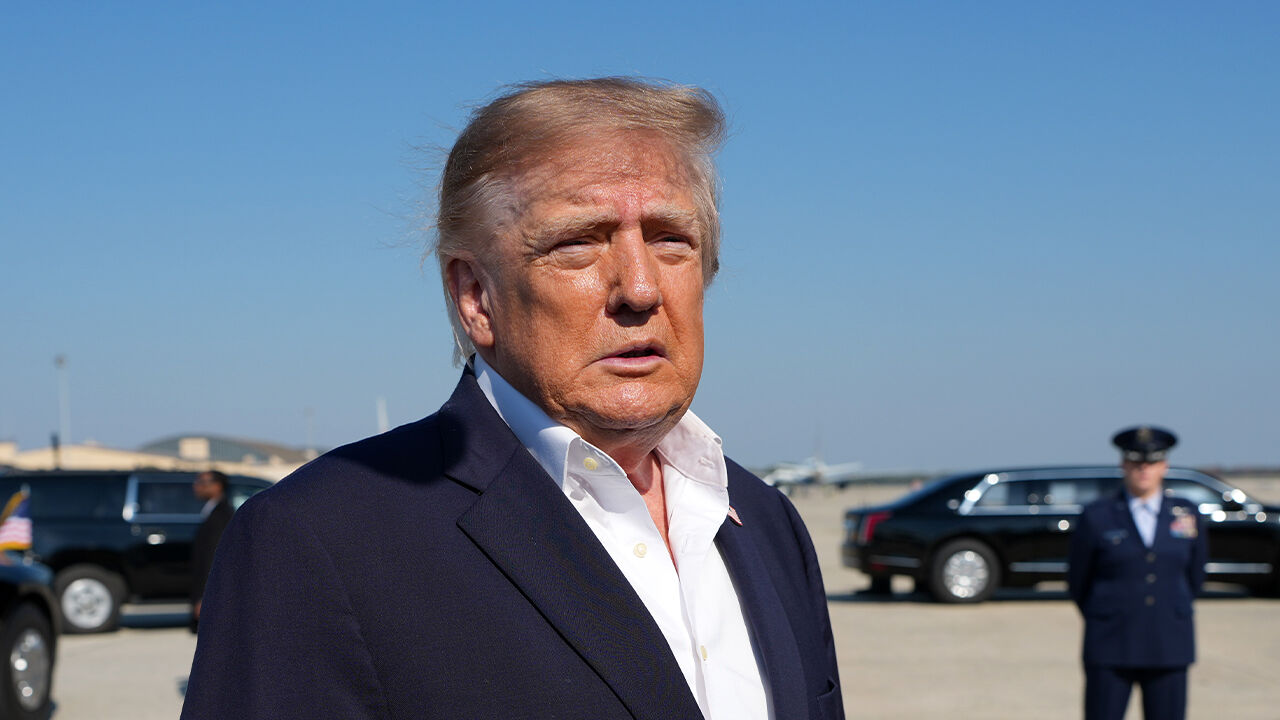
▲ U.S. President Donald Trump
U.S. President Donald Trump said on October 27 (local time) that he would accept the results of the midterm elections, where the Republican Party faces a gloomy outlook, stating, "If the election is conducted fairly."
President Trump made the remark in response to a question about whether he would accept the midterm election results while speaking to reporters at Joint Base Andrews near Washington, D.C., before departing for a campaign rally in Texas.
President Trump's remarks indicate a conditional willingness to concede by attaching the caveat of a fair election.
Consequently, it can also be interpreted as leaving room to contest the election results later by citing electoral fraud or unfair practices.
Above all, with the Democratic Party eyeing the recapture of not only the House of Representatives but also the Senate, forecasts suggest that controversies could erupt over the results of Senate races in battleground states.
Previously, regarding the ultra-tight U.S. Senate race in Alaska, President Trump even instructed the Department of Justice to file a lawsuit demanding that the election results not be finalized immediately if the Democratic candidate wins by a narrow margin.
Meanwhile, President Trump has repeatedly claimed without clear evidence that electoral fraud is rampant in national elections in the U.S., including the 2020 presidential election in which he was defeated, and has attempted to secure federal control over election administration, which falls under the authority of state governments.
President Trump also reiterated his plan to utilize the presidential veto power granted to him even if the Democratic Party secures a majority in the House in this election.
When asked, "What is your plan to cooperate if the Democrats take control of the House?", President Trump answered, "We will find a way. I have a powerful veto."
He continued, "I hope that situation doesn't happen, but if it does, it's something that has happened to many presidents before," adding, "With a powerful veto, we can reach an agreement."
Previously, on October 23 as well, President Trump said, "I will veto every bill," adding, "Veto, veto, veto, and they will come to us and say, 'How can we work this out?' That is how you negotiate."
U.S. presidents hold veto power over bills passed by Congress, and overriding a veto requires a two-thirds majority vote in both the Senate (67 votes) and the House (290 votes).
(Photo: AP, Yonhap News)
※ Please note: This article was translated by AI and may contain errors.




 Video News
 Video News