
 KOR
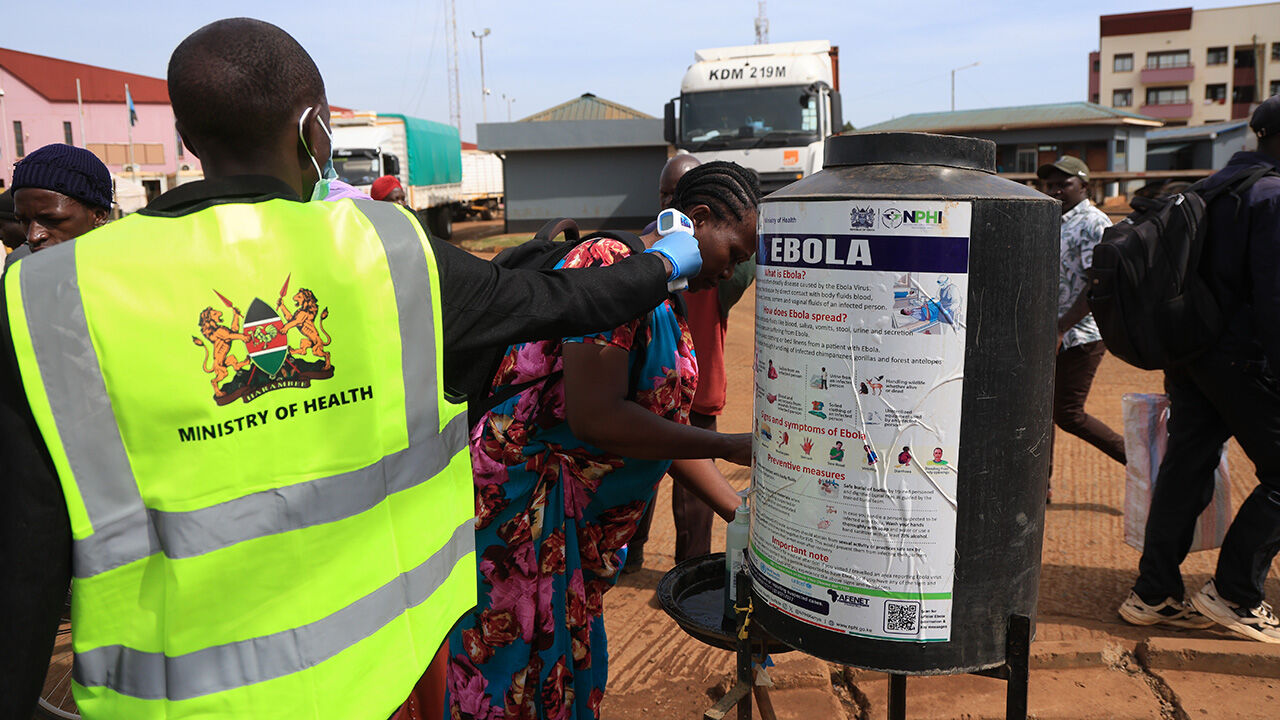
▲ Kenyan medical workers check the body temperature of travelers entering Kenya from Uganda as part of measures to prevent the spread of the Ebola virus.
The U.S. Department of State has raised its travel advisory for Kenya, urging its citizens to reconsider traveling to the African nation amid a growing number of Ebola cases.
According to Reuters on the 19th local time, the U.S. Embassy in Kenya issued a travel advisory urging people to reconsider travel to Kenya due to increased health risks from the spread of Ebola.
The U.S. government also elevated its travel advisory for Kenya from Level 2 to Level 3.
While Level 2 advises exercising increased caution, Level 3 urges citizens to reconsider travel.
The travel advisory also warned that medical services in Kenya are limited, with shortages of medicines and medical supplies, and medical facilities may be unavailable in rural areas.
This measure follows the spread of Ebola, which originated in the Democratic Republic of Congo (DRC), into the Kenyan region.
In Kenya, where the first Ebola case was reported earlier this month, an additional case was confirmed on the 18th, bringing the total number of confirmed cases to eight.
The DRC declared an Ebola outbreak on May 15.
As of the 16th of this month, cumulative confirmed cases reached 9,415, of which 4,536 people have died, resulting in a fatality rate of 48.2 percent.
The U.S. government's travel advisory for the DRC stands at Level 4, which equates to "Do Not Travel."
The Ebola virus originating from the DRC is the Bundibugyo Ebola strain, for which there are currently no approved vaccines or treatments.
It is transmitted through the consumption of infected animals or contact with infected people or animals.
Ebola is a fatal infectious disease that causes fever, muscle pain, vomiting, and diarrhea.
(Photo: AP, Yonhap News)
※ Please note: This article was translated by AI and may contain errors.


 Video News
 Video News
 Video News
 Video News
 Video News