
 KOR
KOR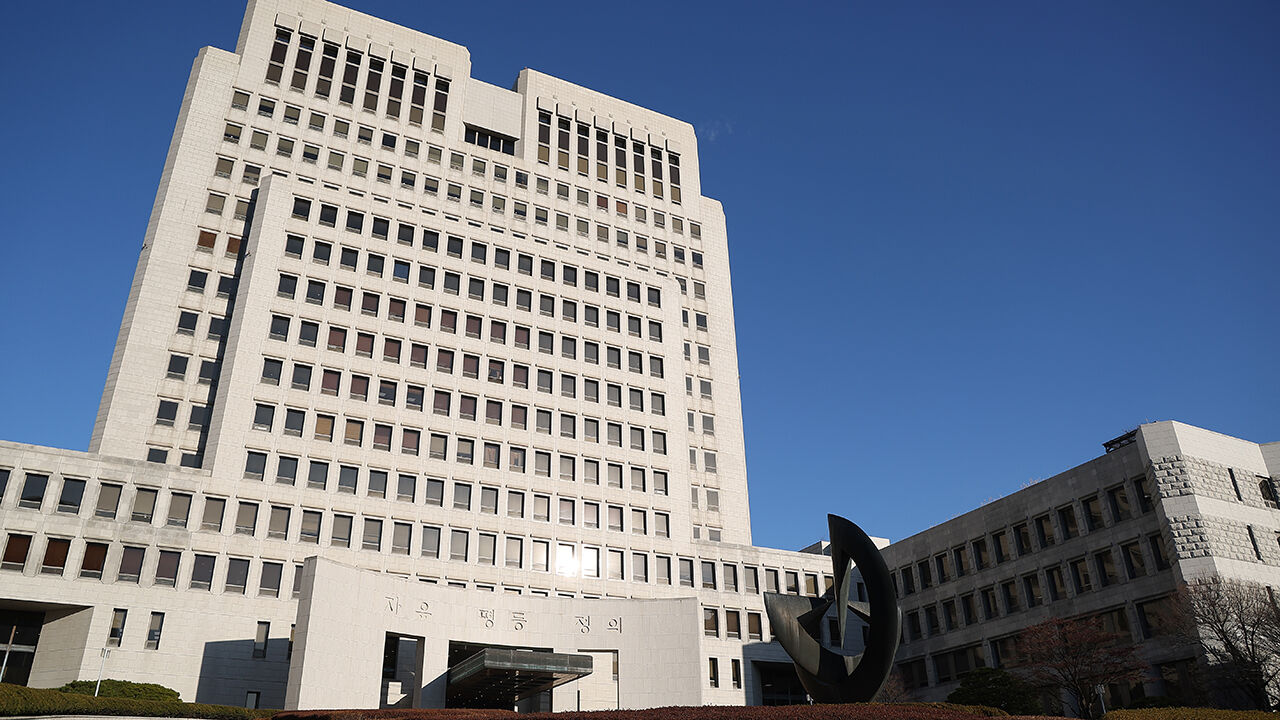
▲ Supreme Court
The Supreme Court has ruled that victims who received truth-finding decisions from the Truth and Reconciliation Commission before the implementation of the revised Past History Settlement Act in February can file the same lawsuits again, even if they previously lost final compensation lawsuits against the state on the grounds that the statute of limitations had expired.
The Supreme Court's Third Division (presiding Justice Oh Seok-jun) reversed the lower court ruling that dismissed the damage claim filed by the bereaved family of a deceased individual, identified as A, against the state today (September 23), and sent the case back to the Daegu District Court.
A was shot and killed without trial in 1949 as part of a police operation to suppress left-wing forces right before the Korean War.
A's bereaved family had previously filed a damage claim against the state, but received a final ruling against them.
At the time, the court acknowledged that the state had an obligation to pay compensation for mental distress caused by illegal acts, but judged that the statute of limitations for the right to claim damages had expired.
Under the National Finance Act, the statute of limitations for claims for damages against the state is generally set at five years from the time of the illegal act.
However, in August 2023, the Truth and Reconciliation Commission issued a truth-finding decision stating, "The act of police and military forces in Yeongdeok, Gyeongbuk, killing 20 civilians including A without due process under the pretext of leftist activities or aiding partisans was illegal."
Based on this decision, A's bereaved family filed a damage lawsuit against the state once again.
The core issue of the lawsuit was whether the res judicata effect of the prior lawsuit, which resulted in a confirmed defeat, extended to the current case.
Res judicata refers to a procedural legal effect that prevents the issues and contents of a previously finalized ruling from being contested in subsequent lawsuits.
Both the first trial sentenced in April 2024 and the second trial sentenced in May of last year ruled against A's bereaved family on the grounds that the res judicata of the prior case applied.
However, based on the revised Past History Settlement Act that took effect on February 26, the Supreme Court overturned the lower court ruling and sided with the bereaved family.
Article 61 of the revised act stipulates that the statute of limitations under the National Finance Act (five years) and the Civil Act (10 years from the date of the illegal act) do not apply to the right to claim damages for losses arising from cases that received truth-finding decisions.
In addition, Article 5 of the Addenda to the act states that "persons who received a truth-finding decision before the enforcement of this act may exercise their right to claim damages within three years from the date of enforcement of the act."
This provision included "persons who received a final ruling dismissing their claims due to the completion of the statute of limitations" within the scope of "persons who received a truth-finding decision before the enforcement of the act."
The Supreme Court noted, "These provisions are based on the state's self-reflection that compensation for victims of past anti-democratic and anti-human rights acts was inadequate, thereby excluding the long-term statute of limitations or voluntarily waiving the benefit of the statute of limitations, ensuring that even if victims file a new damage lawsuit, the res judicata of a final ruling dismissing claims based on the expiration of the statute of limitations does not apply."
The court further ruled, "If a truth-finding decision was made before the enforcement of the revised act, even if a defeat ruling based on the expiration of the statute of limitations became final, the victims' bereaved families can claim damages again within three years from the enforcement date of the revised act," adding, "This is the same for cases where a damage lawsuit was already filed before the enforcement of the revised act and the lawsuit was pending at the time of the act's enforcement."
The Supreme Court explained, "This ruling established a new legal principle that Article 5 of the Addenda to the revised Past History Settlement Act, which pertains to exceptions to the statute of limitations for damage claims, also applies to cases that were pending trial at the time the revised act took effect."
(Photo: Yonhap News)
※ Please note: This article was translated by AI and may contain errors.


 Video News
 Video News
 Video News

 Video News