
 KOR
KOR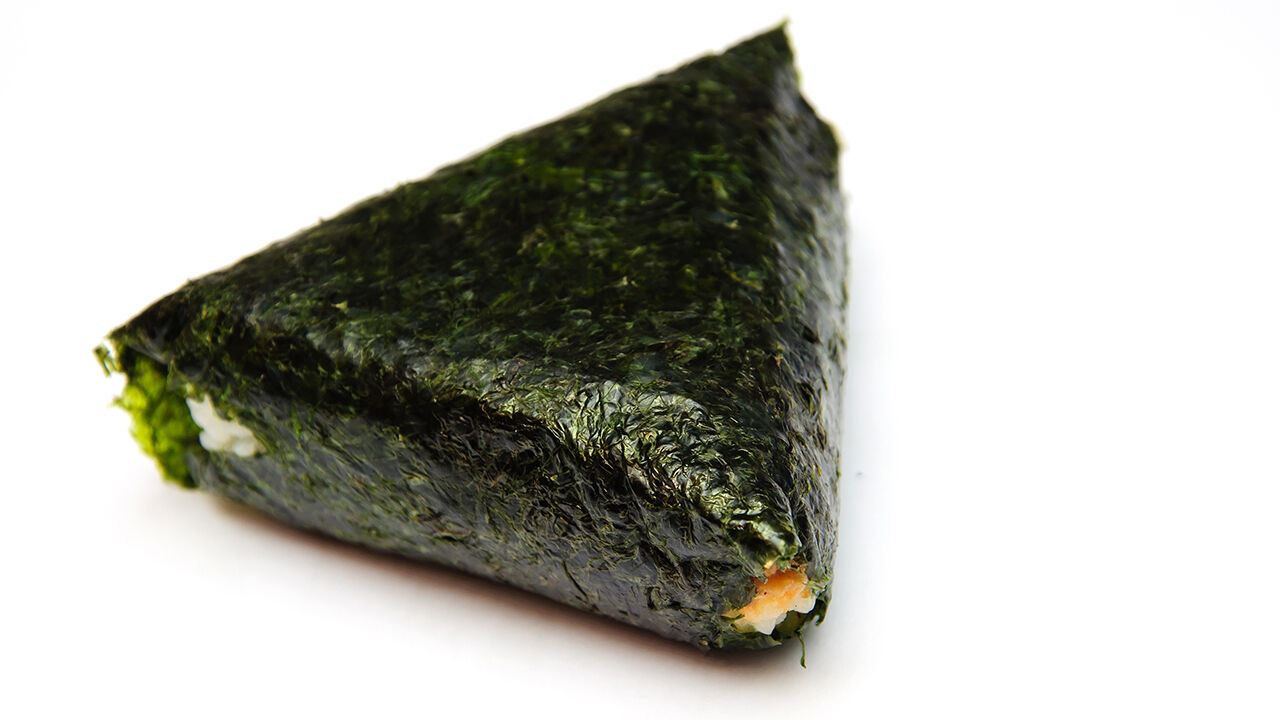
⚡ Soup Key Summary
Market Split by Triangle and Round Gimbap: While triangle gimbap, selling an average of 1 million units a day, and round gimbap divide the market, "square gimbap" has not been commercialized due to the lack of automated facilities and the limitations of manual processes.
The Secret of 1.5-Second Processes and 20°C Cooling: Rapid cooling to 20°C within 15 minutes to prevent bacterial growth and special packaging technology that isolates rice and seaweed with plastic are the core drivers behind the mass production of triangle gimbap.
Bunsik Restaurants Decline for 31 Consecutive Months: Despite prices soaring to an average of 3,869 won per roll, nationwide bunsik (snack) restaurants unable to bear the heavy burden of labor and ingredient costs have decreased for 31 consecutive months, plunging the gimbap ecosystem into crisis.
1. The Gimbap Market Divided by Circles and Triangles
Gimbap is a representative K-food that has captivated people of all ages, including foreigners, serving as a quick, simple meal when busy or a snack when slightly hungry. Round gimbap—made by spreading rice widely over dark seaweed and rolling it up tightly with various fillings—is the form most familiar to us.
However, looking at the convenience store gimbap displayed on shelves, there is another protagonist: triangle gimbap. Although there are slight variations depending on the season, the number of triangle gimbap sold across the top three convenience stores is estimated at around 1 million per day on average. In effect, South Korea's gimbap market is divided between round gimbap and triangle gimbap.
2. Why Is There No Square Gimbap on Store Shelves?
Given that the world is not limited to circles and triangles, why can square gimbap not be found on the market? According to factory officials, it is technically possible to make and provide square gimbap by hand.
However, specialized packaging equipment that isolates rice and plastic so consumers can peel the wrapper and enjoy crispy seaweed right before eating—just like with triangle gimbap—currently exists only for triangle gimbap in South Korea. Mass-producing square gimbap for distribution has the limitation of requiring manual labor for each piece. From a corporate perspective, because triangle gimbap already sells well, has high production efficiency, and is convenient to eat, companies have not bothered to connect square gimbap to the commercial production stage. If you really want to eat square gimbap, you have no choice but to make it yourself at home.
3. Why Freshly Cooked Rice Is Not Used As-Is: Rapid Cooling to 20°C
Then, through what processes is triangle gimbap, consumed at a rate of 1 million a day, born? Before entering the manufacturing plant, workers go through strict procedures of rolling rollers over sanitary suits and washing their hands thoroughly.
Rice introduced into the process is not used immediately in its freshly cooked state (about 98°C). Using hot rice as-is causes problems where mechanical weight control cannot be performed accurately. An even greater issue is the risk of spoilage during distribution. To prevent this, pre-cooling and vacuum cooling devices are used to rapidly drop the temperature of the rice to 20–23°C within 10 to 15 minutes, creating an environment where bacteria cannot proliferate.
4. Manual Work Done in 1.5 Seconds and Strict Weight Control
Once the temperature-lowered rice is spread out in appropriate amounts, skilled workers place fillings on top by hand. The time it takes to make a single gimbap is only about 1.5 seconds. Because the work is carried out manually, slight variations occur when measuring the weight.
However, sub-standard products are not distributed to the market. This is because weight is controlled twice during the stages before packaging and when rice and side dishes are loaded. Products overflowing on the sides due to fillings exceeding the designated ratio are immediately discarded on-site.
5. "Plastic Isolation" Technology to Preserve Seaweed's Crispiness
Rice whose weight and shape have been set passes through dedicated machinery and moves to the final stage: the seaweed packaging process. Here, the seaweed is wrapped in plastic without directly touching the rice.
Seaweed and rice begin to become soggy due to the moisture in the rice the moment they meet. Therefore, by creating a sort of barrier with plastic and attaching a sticker before shipment, consumers can maintain the crispiness of the seaweed right up until the moment they purchase and open the package.
6. The Ultimate Tip for Eating It Most Deliciously: 3 Hours at Room Temperature Without a Microwave
The most delicious way to eat triangle gimbap is surprisingly simple. It is to leave it at room temperature for about 3 hours after purchase and eat it as-is without heating it in a microwave.
If you tear open the seaweed packaging while the rice is hot and let them touch, the seaweed quickly becomes soggy. On the other hand, triangle gimbap left at room temperature delivers the ultimate crispy seaweed texture when naturally unwrapped and eaten.
7. Declining for 31 Consecutive Months… Neighborhood Bunsik Restaurant Ecosystem in Crisis
Unlike factory-style triangle gimbap which has built a solid market, neighborhood bunsik restaurants—the "signature of round gimbap"—are facing a severe crisis. The number of nationwide bunsik restaurant business owners dropped from 54,088 in November 2023 to 53,760 in December of the same year, and after breaking below the 50,000 mark in September 2025, continued a 31-month consecutive decline to fall to around the 48,000 level as of June this year.
8. Highest Dining-Out Price Increase Rate… The Era of 3,869-Won Gimbap per Roll
Amidst the shrinking number of bunsik restaurants, gimbap prices recorded the highest increase rate among dining-out items over the past year. In Seoul, the average price of a single roll of gimbap reached 3,869 won, up 6.8% from July of last year.
The reason gimbap prices are rising is because, due to its characteristics as a representative labor-intensive menu item, labor costs are high, and the prices of seaweed and fillings are extremely sensitive to seasonal and weather fluctuations. A vicious cycle continues where raising prices faces fierce consumer resistance, while keeping them unraised forces bunsik restaurant owners to entirely shoulder the burden. Concerns are growing deep that at this rate, a day might come in the future when people have to order by saying, "Please give me half a roll of gimbap," or "Please give me three pieces of gimbap."
Deep Dive Q&A
Q1. Why is hot rice not used immediately in the convenience store triangle gimbap manufacturing process, but instead rapidly cooled to around 20 degrees Celsius?
A1. Because using freshly cooked hot rice reaching 98 degrees Celsius as-is makes precise mechanical weight control impossible. In addition, since the risk of internal spoilage increases sharply if distributed in a hot state, temperatures are lowered to 20–23 degrees Celsius through pre-cooling and vacuum cooling within 10 to 15 minutes, fundamentally blocking bacterial proliferation.
Q2. Why is the number of neighborhood bunsik restaurant business owners continuing to decline for 31 consecutive months despite rising gimbap prices?
A2. Gimbap is a representative labor-intensive menu item requiring rice and various fillings to be individually prepared by hand, creating a heavy burden of labor costs. On top of this, the burden has grown as prices for fillings such as seaweed, which are sensitive to seasons and weather, have risen. Due to structural limitations where raising prices sparks strong consumer backlash and failing to raise them forces owners to absorb losses, business closures among proprietors are continuing.
※ Please note: This article was translated by AI and may contain errors.


 Video News
 Video News


