
 KOR
KOR

Among past precedents, the conflict between former President Lee Myung-bak and former Chief Justice Lee Yong-hoon offers significant implications for the current dispute involving the demand for a renomination of a Supreme Court justice. This is because Chief Justice Cho Hee-dae attempted the exact compromise method previously employed by former Chief Justice Lee Yong-hoon. The outcomes, however, were entirely different. Lee Yong-hoon succeeded, whereas Cho Hee-dae failed.
How Lee Yong-hoon Resolved the Supreme Court Nomination Conflict
The "Lee Yong-hoon-style solution" is described in detail in the book Supreme Court, I Object! written by author Kwon Seok-cheon (a former editorial writer for the JoongAng Ilbo), based on interviews with the former Chief Justice.
The event occurred in August 2009 during the selection of a successor to former Supreme Court Justice Kim Yong-dam. The presidential office strongly favored Gil Gi-bong, then Chief Judge of the Daejeon District Court. However, Judge Gil was not recommended by the Advisory Committee on Supreme Court Justice Nominations (the predecessor of the current Supreme Court Justice Candidate Recommendation Committee). This reflected the intention of former Chief Justice Lee. He reportedly believed, "Accepting the presidential office's requested nominee at face value could infringe upon the Chief Justice's nomination power and ultimately affect judicial independence." Fearing that including the figure demanded by the presidential office in the candidate pool might lead to a moment where he would "have to confront the president directly" during the nomination process, he excluded him at the committee recommendation stage. (The above is cited from Supreme Court, I Object!)
The presidential office expressed displeasure, and the nomination schedule was repeatedly delayed. Reactions even emerged stating, "There is no reason to meet the Chief Justice over the nomination issue. Moving forward, the Supreme Court should submit nominee recommendations in writing." The situation came right to the brink of former Justice Kim Yong-dam retiring without a successor in place. In the end, former Chief Justice Lee presented a solution.
The Advisory Committee on Supreme Court Justice Nominations recommended four candidates: Kwon O-gon, Jeong Gap-ju, Lee Jin-sung, and Min Il-young. Former Chief Justice Lee offered a compromise allowing the president to choose one of the three candidates who were serving court chiefs. Whomever among the three the president selected, the Chief Justice promised to formally nominate. Author Kwon Seok-cheon assessed that former Chief Justice Lee "effectively handed the presidential office a wild card."
Former President Lee Myung-bak selected Min Il-young, then Chief Judge of the Cheongju District Court, from among the three candidates presented by the Chief Justice. Former Chief Justice Lee met the president at the presidential office and formally nominated Judge Min to the Supreme Court, thereby averting a crisis. At the time, former Chief Justice Lee reportedly thought, "Unless I put my position on the line regarding Supreme Court nominations, it will be difficult to fulfill the role of Chief Justice."
Cho Hee-dae Attempted the 'Lee Yong-hoon Solution'... The Outcome Was Different
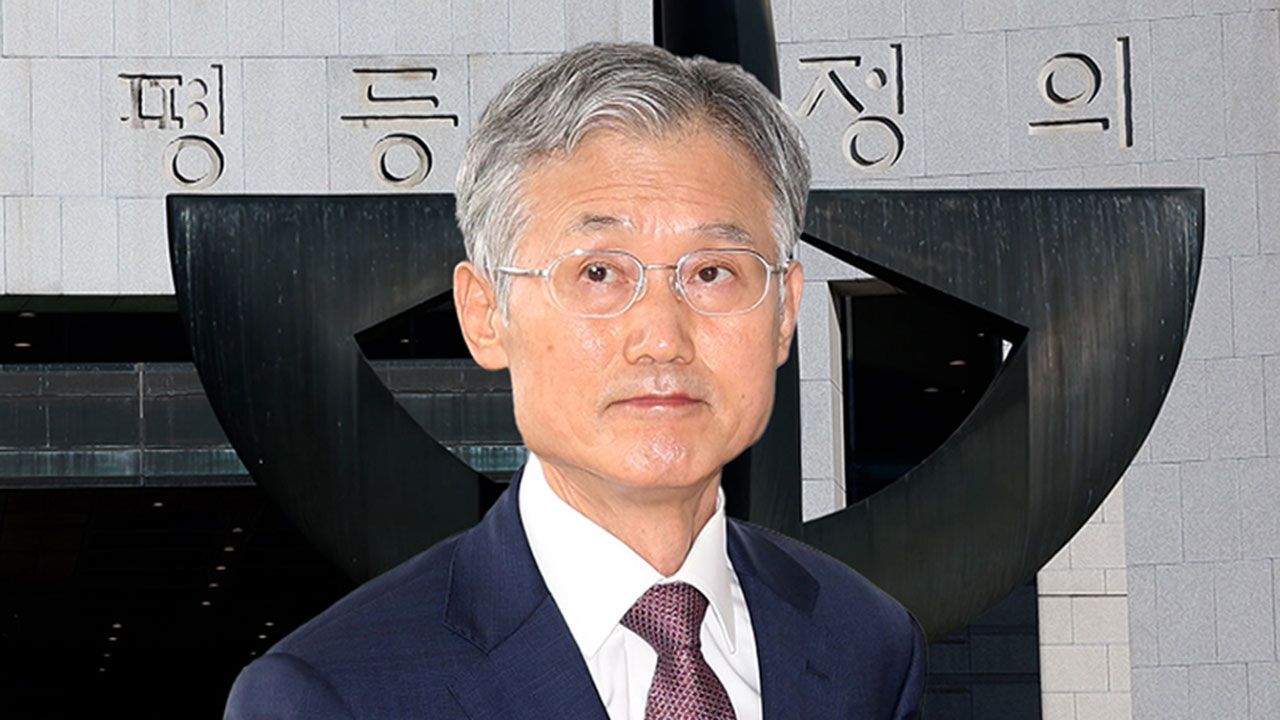
In February 2026, ahead of former Justice Noh Tae-ak's retirement, the Supreme Court Justice Candidate Recommendation Committee recommended four candidates to Chief Justice Cho Hee-dae: Yoon Seong-sik, Park Soon-young, Son Bong-gi, and Kim Min-gi. The presidential office strongly preferred the nomination of Kim Min-gi, Senior Judge at the Suwon High Court. However, Chief Justice Cho maintained that he could not nominate Senior Judge Kim. There was a reason for this stance.
The official rationale was that Senior Judge Kim Min-gi's spouse is Constitutional Court Justice Oh Young-joon, who had been appointed by President Lee Jae-myung. The Chief Justice viewed it as inappropriate for a married couple to simultaneously occupy top judicial seats in both the Supreme Court and the Constitutional Court. Yet, within and outside the judiciary, analyses suggested the real motive echoed that of former Chief Justice Lee 17 years ago: the belief that simply accepting a candidate dictated by the presidential office would undermine the Chief Justice's nomination authority and harm judicial independence.
Chief Justice Cho presented the "Lee Yong-hoon-style solution." According to a report by The Dong-A Ilbo on March 3, 2026, during the initial phase of the nomination controversy, the presidential side proposed Kim Min-gi as its first choice and Park Soon-young as its second, while the Chief Justice proposed Yoon Seong-sik as his first choice and Son Bong-gi as his second. Subsequently, the Chief Justice indicated a willingness to nominate Senior Judge Park Soon-young if that was the presidential office's preference, but an agreement could not be reached as the presidential office continued to insist on Senior Judge Kim Min-gi. Chief Justice Cho had effectively indicated that he would accept whichever candidate the president chose among the remaining three, excluding Senior Judge Kim Min-gi, whom the presidential office had specifically demanded. It was an approach similar to that of former Chief Justice Lee 17 years earlier.
After the "Lee Yong-hoon-style solution" failed, matters became further complicated as unexpected circumstances arose regarding two of the three candidates proposed by Chief Justice Cho. Senior Judge Yoon Seong-sik was designated presiding judge of the special court division handling insurrection cases, including those involving former President Yoon Suk Yeol. Nominating a presiding judge in charge of high-profile insurrection cases to the Supreme Court was practically unfeasible. Meanwhile, Senior Judge Park Soon-young's concurrent role as a member of the National Election Commission (NEC) became an issue. While judges serving as election commissioners had rarely caused controversy in the past, issues surrounding the NEC surfaced immediately following the local elections in June 2026, leading to the launch of a special counsel investigation. Chief Justice Cho reportedly informed the presidential office that nominating Senior Judge Park had also become untenable due to these circumstances.
At that point, only two options remained for Chief Justice Cho: nominate Senior Judge Kim Min-gi as requested by the president, or nominate Senior Judge Son Bong-gi without reaching an agreement with the president. (As a third alternative, the Minister of National Court Administration appears to have considered reconvening the candidate recommendation committee to form a new pool. To this end, the Minister reportedly contacted the four recommended candidates to ask if they would voluntarily withdraw, but dropped the idea following pushback from some candidates, which ended up creating an even bigger controversy.) Between the two remaining options, Chief Justice Cho chose to nominate Senior Judge Son Bong-gi without presidential consensus. What followed is well known to all.
Rejecting Compromise and Exercising Respective Powers... 'Renomination' Procedure Is for Chief Justice to Decide
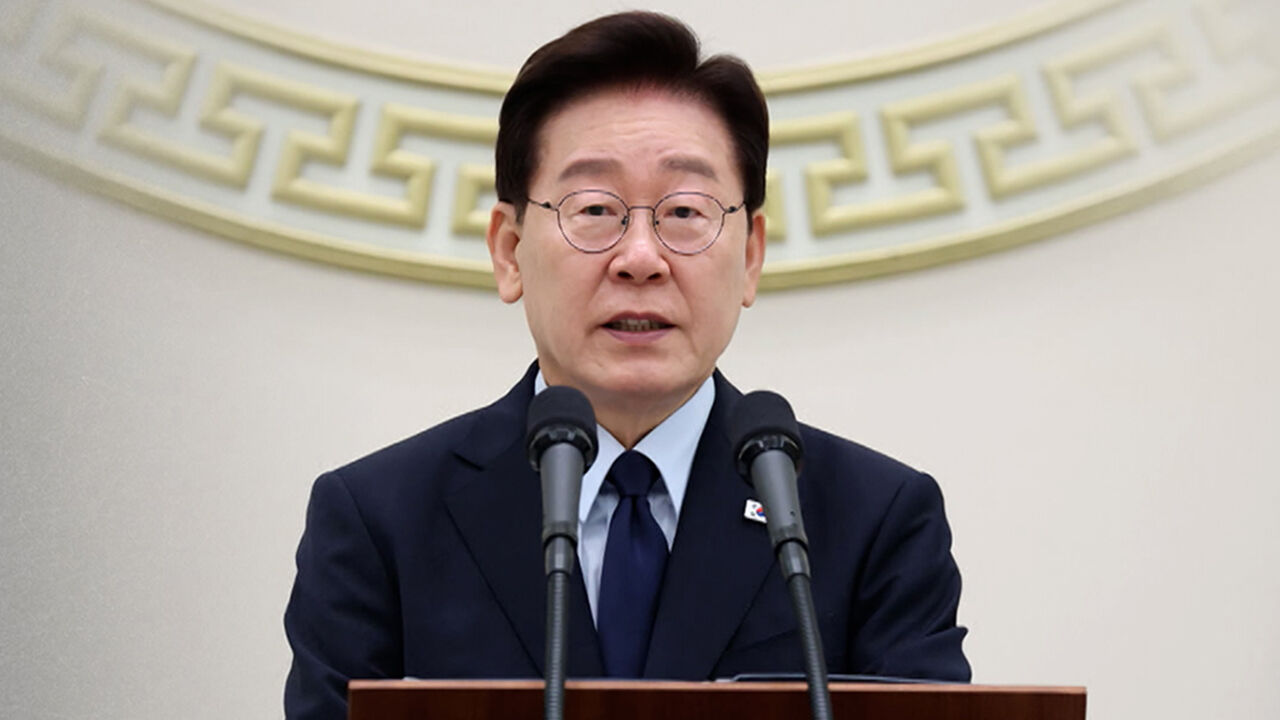
Harmonizing 'Democratic Legitimacy' and 'Judicial Independence'... Filtering Out Hypocrisy
However, those who need to be filtered out right now are individuals who emphasize "judicial independence" when the opposing side holds the presidency and their own side holds the Chief Justice position, yet champion "democratic legitimacy" when their side holds the presidency and the opposing side leads the judiciary. Only a few years ago, when former Chief Justice Kim Myeong-su and former President Yoon Suk Yeol clashed over Supreme Court nominations, some people criticized the president while emphasizing judicial independence. Many of those same individuals are now criticizing the Chief Justice while invoking democratic legitimacy. Rational debate will only be possible once such double standards are set aside. Meaningful discussion can only occur among those who take responsibility for their own words.
※ Please note: This article was translated by AI and may contain errors.



 Video News
 Video News
 Video News
 Video News
 Video News