
 KOR
KOR
▲ Novorossiysk Port, a major Russian crude oil export hub on the Black Sea
Economic concerns are mounting as clashes between Russia and Ukraine intensify around the Black Sea, the Wall Street Journal (WSJ) reported on the 12th local time.
Following the Strait of Hormuz and the Red Sea, which have faced severe disruptions due to the Middle East conflict, bottlenecks in the Black Sea are further fueling price volatility in global grain and energy markets, the report pointed out.
According to the WSJ, Russia has recently been focusing attacks on three major ports in the Odesa region along Ukraine's Black Sea coast in an attempt to cut off trade routes.
Odesa regional authorities report that since June 20, Russian drone and missile strikes have damaged 57 vessels and killed at least 21 people.
This accounts for one-third of all vessel attacks recorded since Russia invaded Ukraine in 2022.
Shipping analytics firm Kpler reported that Russia attacked two international merchant ships in the Black Sea last week, one of which was carrying wheat.
Experts warn that such attacks could drive up food prices in vulnerable regions, including Africa.
Russia and Ukraine are among the world's largest grain exporters, and a significant portion of the wheat exported from both countries through the Black Sea serves as an essential food supply for impoverished nations.
Ukrainian Foreign Minister Andrii Sybiha noted on social media last month that "just as Iran targeted energy transport routes in the Strait of Hormuz, Russia is now targeting the global food market in the Black Sea."
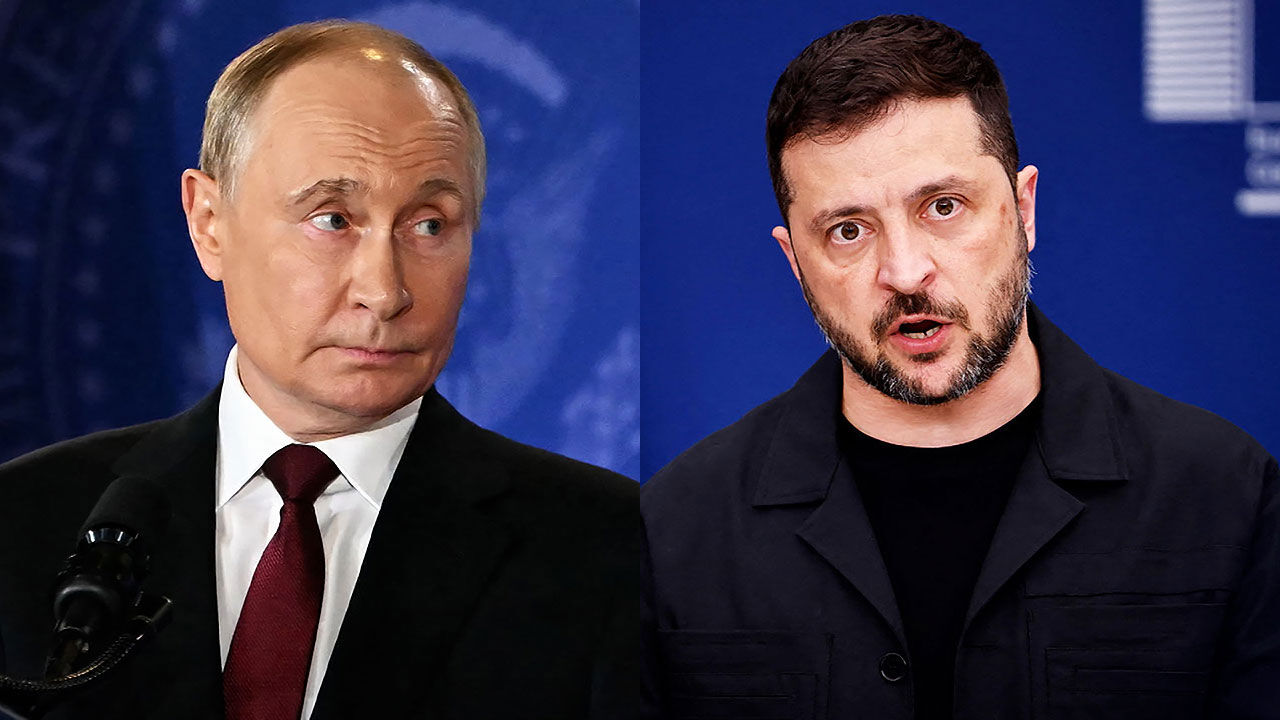
He warned that this crisis could affect millions of people across Africa, Asia, the Middle East, and Latin America through soaring inflation, and called for an emergency meeting of the UN Security Council.
Ukraine is also launching counterattacks.
Ukrainian President Volodymyr Zelenskyy stated on the night of the 11th that Ukrainian forces struck port infrastructure in the Russian Black Sea port city of Novorossiysk.
Attacks on oil tankers and related infrastructure around the port of Novorossiysk could disrupt the operations of the Caspian Pipeline Consortium (CPC), which transports about 2% of the world's crude oil.
U.S. energy giants Chevron and ExxonMobil are also known to hold stakes in the CPC.
According to Ukrainian officials, U.S. Vice President JD Vance directly asked President Zelenskyy to halt attacks on Black Sea oil tankers during a phone call on July 31.
As both countries precisely target each other's economic vulnerabilities, concerns are growing that the fallout could spread globally.
Danish shipping company Maersk announced that it has suspended operations at Ukraine's Chornomorsk port and rerouted some vessels to Romanian ports due to the geopolitical situation.
Kernel, a major grain exporter, has also halted operations at the Chornomorsk port amid intensifying Russian attacks.
International wheat prices continue to rise.
Sidharth Kaushal, a senior research fellow at the Royal United Services Institute (RUSI) in the UK, told the WSJ, "Much like the Strait of Hormuz, if a certain level of vessel attacks continues, eventually no one will be willing to transit those waters."
(Photo: AP, Yonhap News)
※ Please note: This article was translated by AI and may contain errors.





![9천 찍고 6천 "내 돈 녹았다"…절박한 '2030' 레버리지 ETF로 [자막뉴스]](http://img.sbs.co.kr/newimg/news/20260813/202212041_300.jpg) Video News
Video News
