
 KOR
KOR
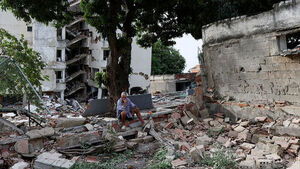
▲ Residents in Cuba prepare to use solar panels installed on the street to charge batteries following a power outage.
Cuba, which has been suffering from chronic energy shortages, has experienced another massive blackout.
The Cuban Electric Union announced in an emergency statement on July 6 (local time) that the country's National Electric System (SEN) has suffered a total collapse, resulting in a complete power outage nationwide.
The authorities added that they are currently investigating the specific cause of the incident.
This marks the third nationwide blackout this year and the eighth major power failure since the end of 2024.
Previously, Cuba experienced two nationwide grid collapses in mid-March, followed by another large-scale blackout in mid-May that primarily affected the eastern regions.
Cuba has been facing a severe energy crisis as U.S. sanctions intensified following the removal of former Venezuelan President Nicolas Maduro in January.
Cuba had previously maintained its power grid by receiving crude oil at extremely low prices from its ally, Venezuela. However, the energy lifeline was severed as U.S. maritime and financial blockade measures were concentrated on Cuba following the fall of the Maduro administration.
In particular, the U.S. administration under Donald Trump warned of heavy tariffs on countries providing oil to Cuba, effectively cutting off fuel supplies to the island.
Currently, Cuba produces only 40% of its required fuel, and the 730,000 barrels of crude oil imported from Russia at the end of March were already depleted by the end of April.
As a result, forced power outages lasting over 20 hours have become a daily occurrence across Cuba, pushing the suffering of the public to its limit.
According to local and foreign media, nearly two-thirds of Cuban territory was already without power just before the final collapse of the grid, indicating that the power situation had reached a breaking point.
Amid these persistent power outages, a record-high 107 street protests occurred in Cuba last month as the country faced intense heat.
The Cuban Conflict Observatory analyzed that street protests are an unusual phenomenon in the tightly controlled nation of Cuba.
Cuba has a typical subtropical climate, where daytime temperatures in mid-summer exceed 30°C (86°F). With high humidity, the perceived temperature often nears 40°C (104°F), and tropical nights are frequent.
(Photo: AP, Yonhap News)
※ Please note: This article was translated by AI and may contain errors.


 Video News
 Video News

 Video News