
 KOR
KOR
The Ministry of Agriculture, Food and Rural Affairs announced that the world food price index, released by the Food and Agriculture Organization of the United Nations (FAO), stood at 130.3 in June, down 0.3% from the previous month (130.8).
The global food price index rose for three consecutive months from February to April, but shifted to a decline in May and has now fallen for two consecutive months.
This index is a figure calculated by setting the average price from 2014 to 2016 at 100.
By category, prices for cereals, dairy products, and sugar fell last month, while prices for vegetable oils and meat rose.
The cereal price index was 110.2, a 3.5% decrease from the previous month.
Wheat prices fell by 4.4% as progress in harvests in the Black Sea region and expectations of abundant supply offset concerns about crop conditions in the United States and Australia.
Corn prices dropped by 6.2%, reflecting improved supply conditions in major South American exporting countries and weaker demand for biofuels due to lower international oil prices.
Barley and sorghum prices fell by 3.4% and 7.7%, respectively.
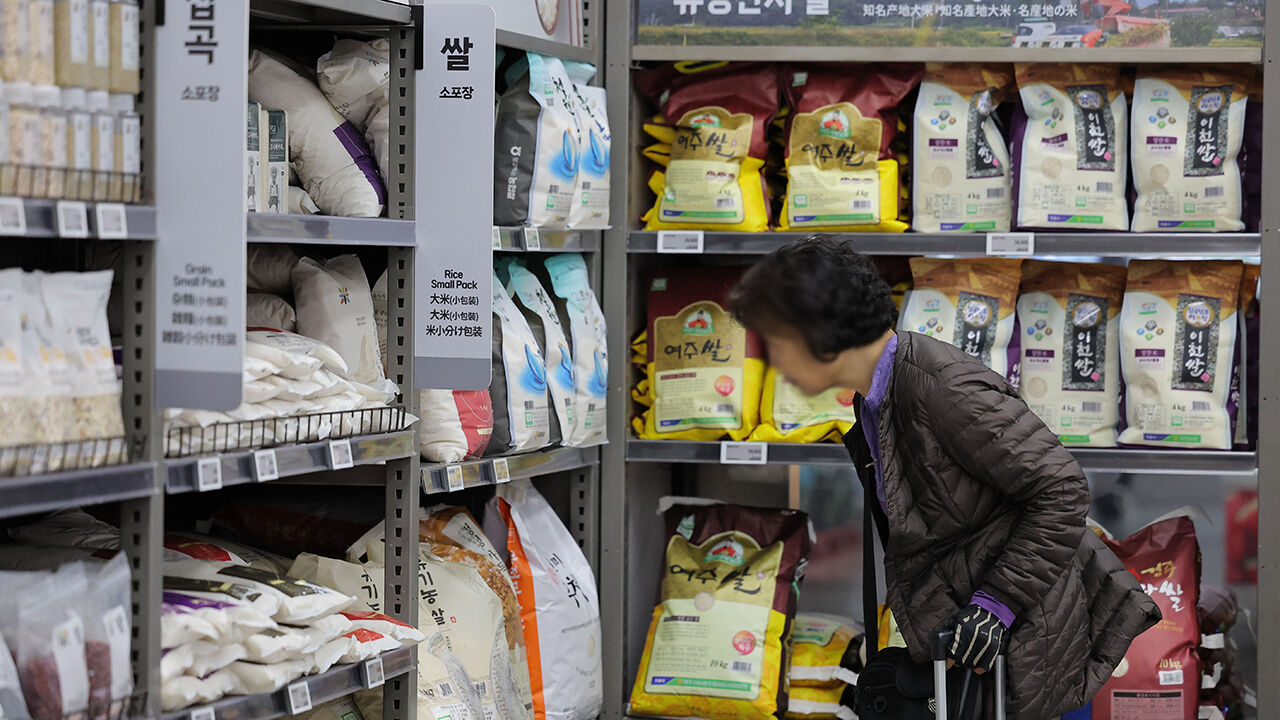
However, rice prices rose by 3.2% due to factors including increased demand in the Asian region, weather uncertainties, and rising costs for production, transportation, and distribution.
The dairy price index was 117.4, down 1.5% from the previous month.
Prices for skim milk powder, butter, and cheese declined due to improved raw milk supply conditions in the European Union (EU) and the United States, and whole milk powder prices also fell due to sluggish import demand from China, leading to an overall downward trend.
The sugar price index also fell by 5.7% from the previous month to 89.7.
While sugar production and exports increased due to lower ethanol prices in Brazil, concerns over crop conditions in major producing countries due to El Niño partially limited the extent of the decline.
On the other hand, the vegetable oil price index rose by 3.8% to 192.0.
Palm oil prices rose amid forecasts of reduced exportable supplies from Indonesia.
Rapeseed oil prices showed an upward trend due to unfavorable weather conditions for planting in Australia and Canada.
However, soybean oil prices fell slightly under pressure from increased production in South America and lower oil prices.
The meat price index was 131.0, up 0.4% from the previous month.
Poultry prices rose due to a temporary supply shortage in Brazil, and lamb prices continued to rise as demand remained steady while exportable supplies were limited.
Pork and beef prices fell due to factors such as increased supply from the European Union and forecasts of increased export volumes from Australia, respectively.
Meanwhile, domestic consumer prices for agricultural and livestock products in June rose by 3.2% compared to the same month last year, matching the overall consumer price inflation rate.
※ Please note: This article was translated by AI and may contain errors.
Global Food Prices Fall for Second Consecutive Month; Vegetable Oils and Meat Rise

Copyright Ⓒ SBS & SBSi. All rights reserved.
Copying, redistribution, and unauthorized use in AI training are strictly prohibited.
Copying, redistribution, and unauthorized use in AI training are strictly prohibited.

Trending Now
-
 Video News
Exclusive: Behind the 'Damaged Real Doll' Evidence Destroyed by Father of Murder Suspect
-
Video News
"Police Misjudgment" and a Profiler's Intuition: The 'Strange Object' in the Hands of a Tongyeong Murderer
-
Video News
"There's Blood": Duo Threatens Restaurant Owners After Spitting Out Food
-
Video News
Man Who Murdered Ex-Wife and Stuffed Body in Suitcase Spent 20 Hours Watching Crime Shows Before Crime
-
Video News
"My Phone Is Broken": Man Extorts 250,000 Won by Intentionally Striking Moving Vehicles
 Video News
 Video News
 Video News
 Video News
!["My Phone Is Broken": Man Extorts 250,000 Won by Intentionally Striking Moving Vehicles [On-Site Video]](http://img.sbs.co.kr/newimg/news/20260630/202197638_300.jpg) Video News
Video News