
 KOR
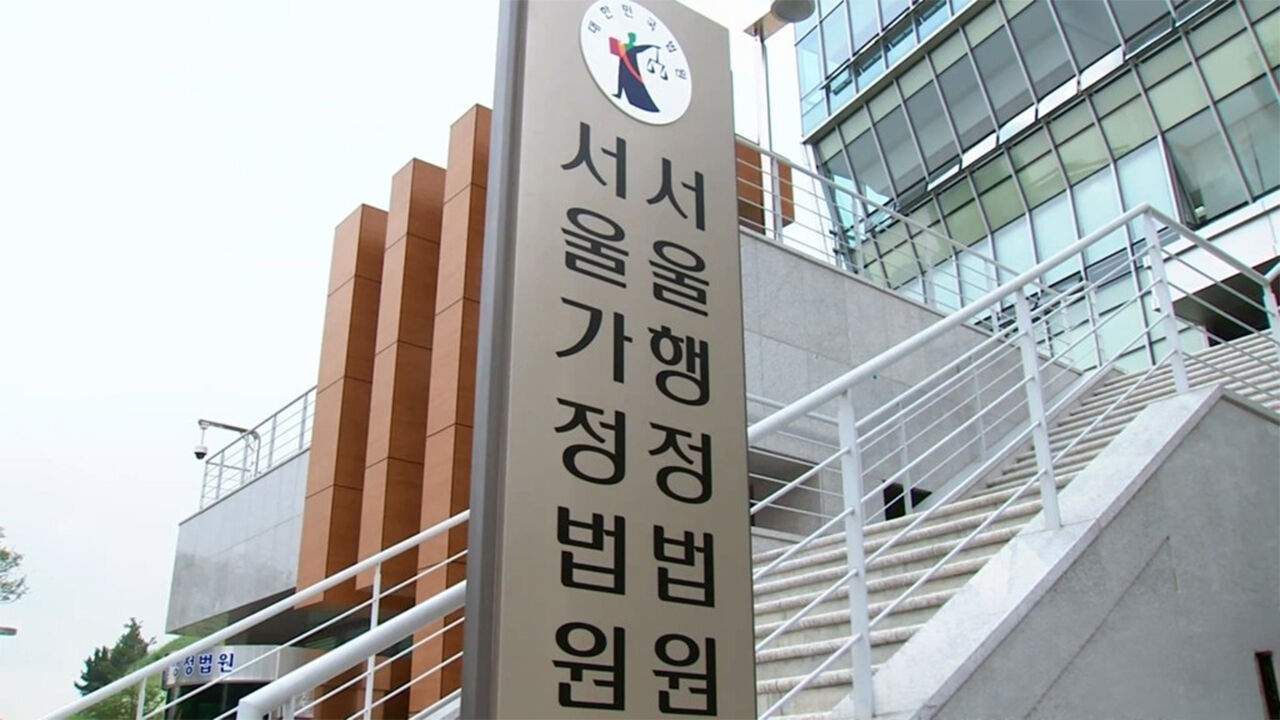
▲ Seoul Family Court and Seoul Administrative Court
A suspect under police investigation who filed a lawsuit claiming that the decision to transfer his case to another police station was invalid has lost the case.
The 4th Administrative Division of the Seoul Administrative Court (Presiding Judge Kim Young-min) ruled against the plaintiff, a person identified as A, in a lawsuit filed against the chief of the B Police Station seeking confirmation of the nullification of the case transfer decision (and an auxiliary claim to cancel the transfer decision).
While A was under investigation after a complaint was filed against him at the B Police Station in Seoul, the investigation was suspended around 2024 when his whereabouts became unknown.
Later, while investigating a separate case involving A, the Gyeonggi Bukbu Provincial Police Agency requested the transfer of the B Police Station case so they could consolidate the investigations. The chief of the B Police Station resumed the investigation and handed over the case.
Objecting to this, A filed an administrative appeal with the Central Administrative Appeals Commission, which was dismissed, and subsequently filed an administrative lawsuit asking the court to confirm that the transfer decision was invalid.
A argued that the head of the Gyeonggi Bukbu Provincial Police Agency is not a superior authority to the chief of the B Police Station and therefore cannot issue investigative directives, and that there was no data showing the two agencies had consulted with each other.
He also pointed out that the case transfer document was omitted.
The chief of the B Police Station countered that the transfer decision was merely an adjustment of investigative jurisdiction according to internal police procedures and did not change A's legal status, making it ineligible for an administrative lawsuit.
The court determined that while the transfer decision is indeed subject to an administrative lawsuit, the transfer itself was not unlawful.
The court explained, "If the jurisdictional police station changes, a suspect may experience not only practical difficulties such as trouble attending or transportation inconveniences, but also changes in legal interests depending on the investigation method or investigator," adding, "Since there is no separate appeal procedure for a transfer decision, it is reasonable to view it as a disposition subject to administrative litigation."
However, the court ruled that this transfer did not constitute an investigative directive, and that the chief of the B Police Station complying with the transfer request without any particular objection could itself be regarded as consultation.
It also ruled that the omission of some related documents and evidence did not constitute grounds for illegality.
Furthermore, the court stated that the mere fact that the case was transferred after A raised an objection to the suspension of the investigation does not mean that A's right to object or right to defense was infringed.
(Photo: Yonhap News)
※ Please note: This article was translated by AI and may contain errors.


 Video News



 Video News