
 KOR
KOR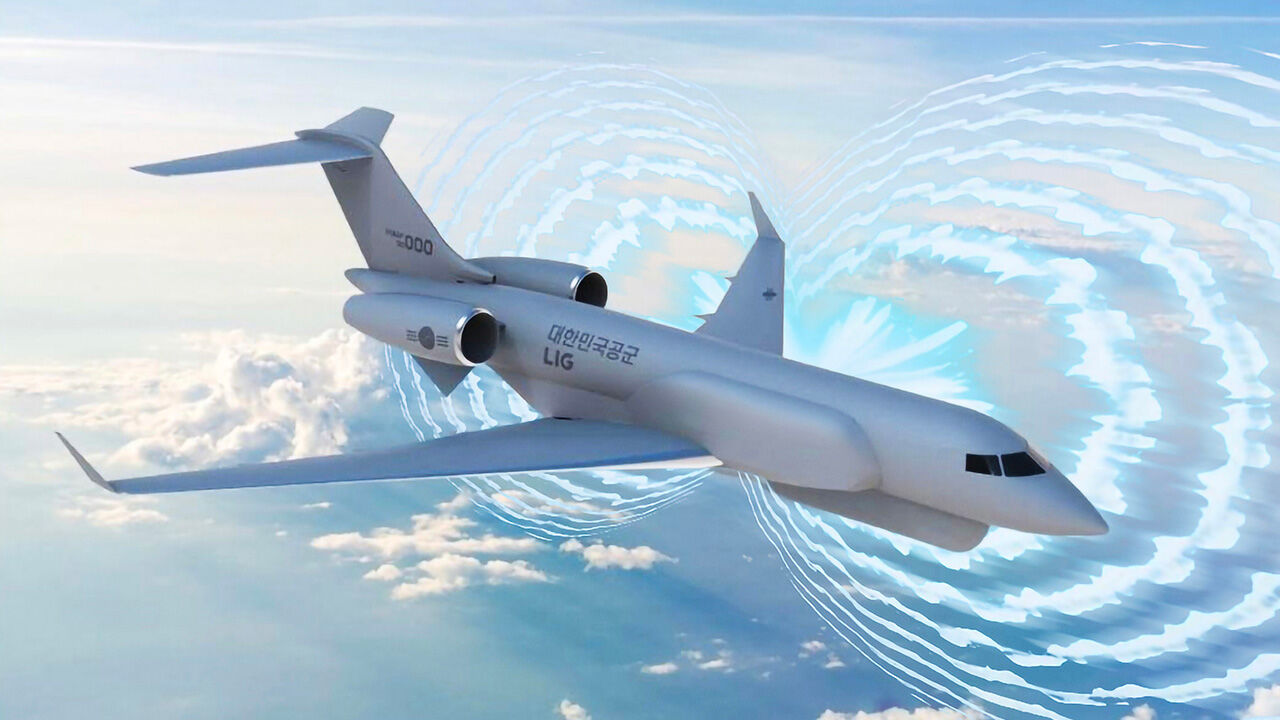
▲ Conceptual diagram of LIG D&A's electronic warfare aircraft
Controversy continues over the connection between an electronic warfare aircraft and the largest defense procurement corruption case in history, in which LIG D&A is accused of winning six defense projects in exchange for giving a 460 million won bribe to a Grade 5 official at the Defense Acquisition Program Administration (DAPA). This is because if the six defense projects turn out to be technologies directly tied to electronic warfare aircraft, the 1.8 trillion won system development contract for the electronic warfare aircraft awarded to LIG D&A in December of last year could be terminated, and the lead contractor of the project could change.
First, we must examine the defense projects that LIG D&A unlawfully secured. According to SBS reporting, the six defense projects are: (1) a counter-small unmanned aerial vehicle (UAV) system, (2) intelligent signal detection technology, (3) real-time broadband multi-threat signal environment simulation technology, (4) jamming technology against electronically scanned radar, (5) real-time anti-satellite jamming technology based on a space radio environment situational awareness model, and (6) a module platform for active phased array radar.
LIG D&A maintains the position that "the six technologies are completely unrelated to electronic warfare aircraft." However, the prosecution leading the investigation and the defense industry believe that the company "intercepted core electronic warfare technologies through bribery in order to secure the electronic warfare aircraft system development project." DAPA also appears to share a view similar to that of the prosecution. Which side is telling the truth?
DAPA Also States, "Technologies 2 to 6 Belong to the Electronic Warfare Field"
Technology 4, jamming technology against electronically scanned radar, is designed to disrupt and neutralize an enemy's high-performance radar employing electronic scanning methods, while Technology 5, real-time anti-satellite jamming technology based on a space radio environment situational awareness model, disrupts and neutralizes satellites operating in outer space. Technology 6, the module platform for active phased array radar, serves as a common platform for defense semiconductors and various modules mounted on aircraft.
Technologies 2 and 3 are defensive technologies that discern an enemy's diverse and complex signals. Technologies 4 and 5 are offensive technologies that disable enemy radars and satellites deployed across land, air, and space. Technology 6 can be regarded as a general-purpose technology applicable across fighter jets, electronic warfare aircraft, and airborne early warning and control aircraft.
Multiple defense industry officials contacted by SBS unanimously stated, "Technologies 2 to 6 are electronic warfare technologies that are applied to electronic warfare aircraft." A key official from the Ministry of National Defense pointed out, "Because LIG D&A acquired electronic warfare-related technologies such as Technologies 2 to 6, LIG D&A's technology readiness level (TRL) for electronic warfare aircraft was higher than that of the Agency for Defense Development, leading to the decision to pursue the electronic warfare aircraft system development project under corporate leadership." DAPA officials also stated, "Technologies 2 to 6 are classified under the electronic warfare domain."
Prosecution Also Says, "Secured Electronic Warfare Aircraft Project Through Illicit Bidding"... LIG D&A Says "Groundless"
The Suwon District Prosecutors' Office evaluated the technologies somewhat strictly in its press release, while its indictment took a view closer to that of the industry and DAPA. In any case, the prosecution firmly concluded that "LIG D&A gained an advantageous position in the competition for the electronic warfare aircraft system development project by bribing a DAPA official to win multiple defense projects." It also defined the case as a "grave anti-state crime that shakes national security."
LIG D&A is saying something entirely different. In a statement released on August 21, LIG D&A emphasized regarding the unlawfully acquired defense projects that "they have no connection to core technical elements of the electronic warfare aircraft project." It also pushed back against the prosecution's press release, calling it a "groundless claim."
The viewpoints of the prosecution, defense contractors, and DAPA on the connection between LIG D&A's unlawfully secured projects and electronic warfare aircraft are completely divergent from that of LIG D&A. The gap is so wide that it is difficult to find common ground for discussion, yet the controversy is expected to persist. It could linger as a prolonged burden on South Korea's defense industry. DAPA must step in to sort out the situation properly.
※ Please note: This article was translated by AI and may contain errors.



 Video News

!["Thought It Was a Bronze"... Dramatic Comeback Secured by 10.9-Point Bullseye [AG Video]](http://img.sbs.co.kr/newimg/news/20260922/202224917_300.jpg) Video News
Video News
 Video News