
 KOR
KOR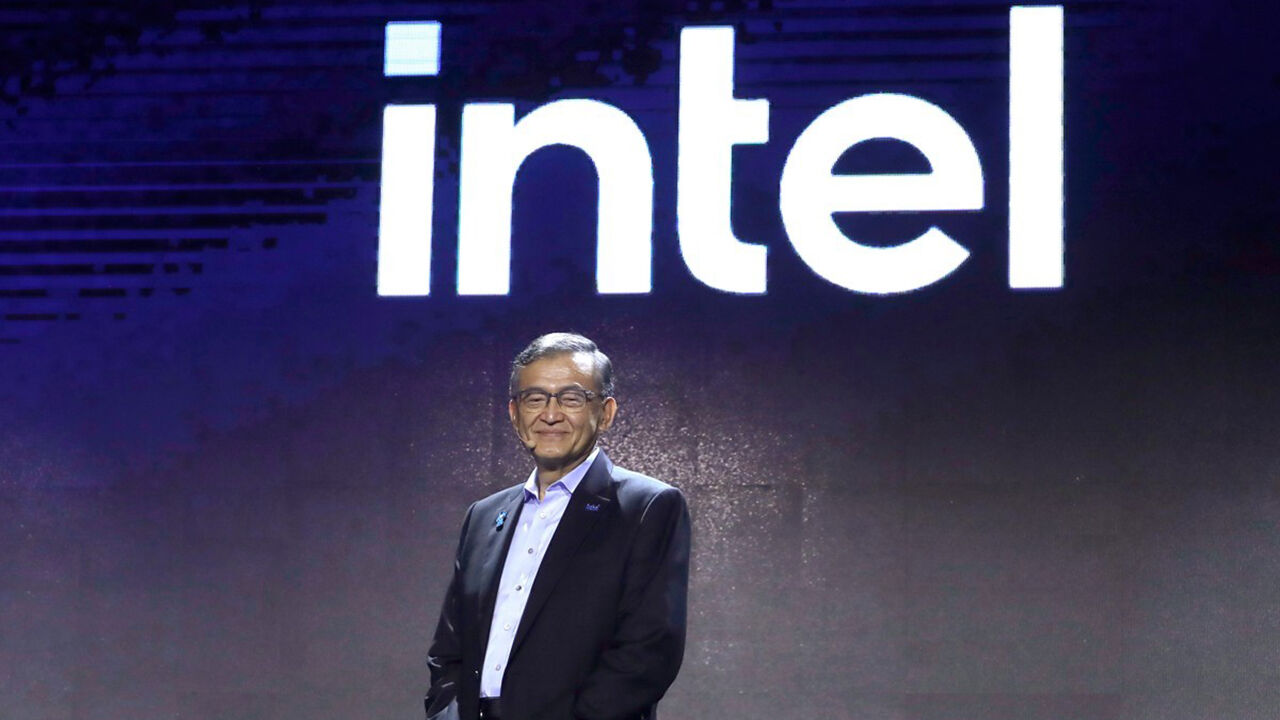
▲ Intel CEO Lip-Bu Tan
Intel CEO Lip-Bu Tan projected that the shortage and skyrocketing prices of memory semiconductors, driven by the proliferation of artificial intelligence (AI), will intensify further next year.
CEO Tan made the remarks during a fireside chat on the 15th local time at the AI Infrastructure Summit held at the Santa Clara Convention Center in California, USA.
He stated, "Early last year, I said that 'memory would become a bottleneck.' Many people did not realize it back then, but as a result, I was right," predicting that "the situation will get even worse next year."
Tan pointed out, "Memory production capacity is very limited, and prices have risen astronomically," adding, "As you know, they have gone up 5, 6, or 7 times."
He noted that companies are facing severe cost pressures due to soaring memory prices, citing instances where memory costs account for 70% to 80% of the total cost for low-end smartphones and laptops.
This outlook is interpreted as lending weight to predictions that domestic memory semiconductor companies such as Samsung Electronics and SK Hynix will continue to lead the AI market next year, backed by high memory demand.
Aside from memory, he named power, optical technology, and thermal management as future core technology sectors where bottlenecks are likely to occur.
On the same day, CEO Tan also shared the results of Intel's rigorous restructuring efforts pursued since taking office.
He said, "We reduced our workforce from over 100,000 employees at the time of my inauguration to around 78,000," and added, "We drastically cut organizational layers from 10–12 tiers down to 4–5 tiers, boosting efficiency and accountability."
He also showed a strong commitment to rebuilding Intel's foundry business, which is semiconductor contract manufacturing.
He explained that the plan is to first lower expectations and then exceed performance targets, proving foundry capabilities through numbers every quarter.
In particular, he revealed plans to focus capabilities on advanced packaging, which corresponds to back-end processes, explaining that the recent recruitment of Executive Vice President (EVP) Seok-Hee Lee—a former Intel veteran who served as CEO of SK Hynix—will help strengthen competitiveness.
Meanwhile, regarding the controversial "AI speed-control debate" in Silicon Valley, CEO Tan remarked, "A certain degree of adjustment is a natural phenomenon, and I do not overreact to it."
However, he offered the opinion that "while Silicon Valley is wildly enthusiastic about AI, if you go to other parts of the United States, there is a very strong anti-AI sentiment," adding, "We need to build a positive narrative while clearly explaining the negative aspects to the public."
(Photo: AP, Yonhap News)
※ Please note: This article was translated by AI and may contain errors.


 Video News

 Video News

 Video News