
 KOR
KOR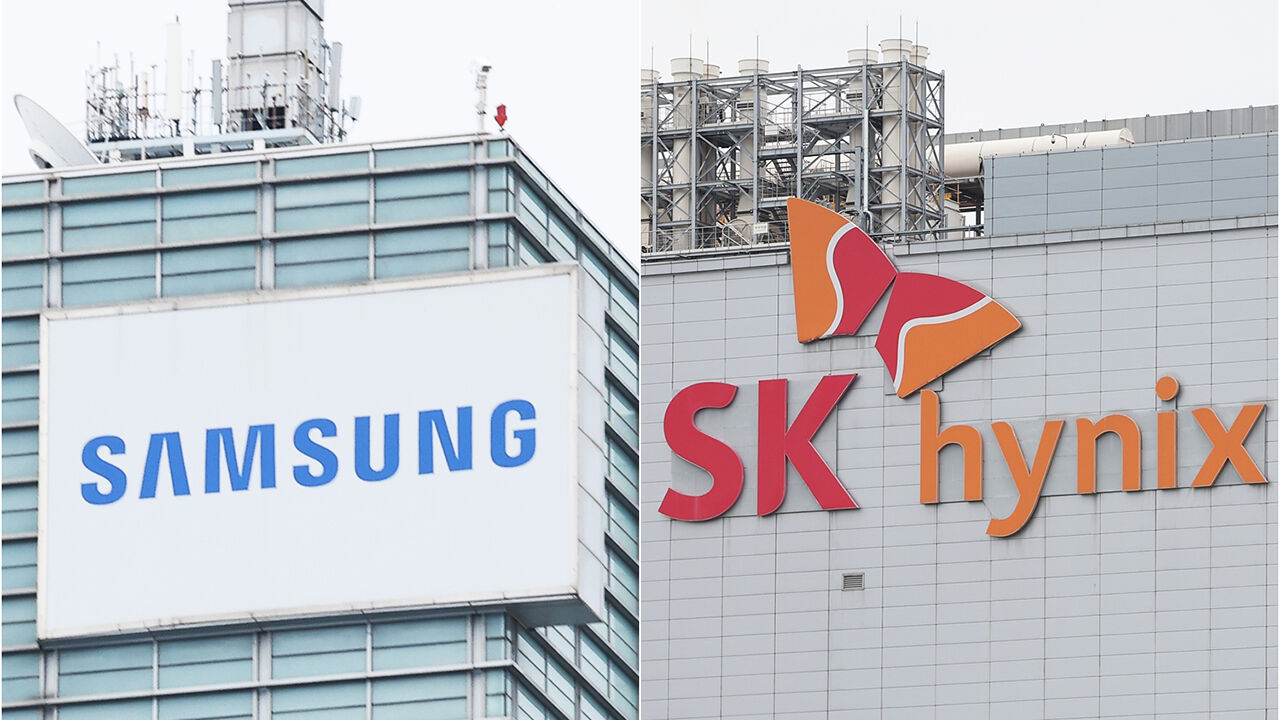
▲ Samsung Electronics and SK Hynix
It has been reported that Samsung Electronics and SK Hynix have declined Korea Electric Power Corporation's (KEPCO) proposal to prepay five years' worth of electricity bills totaling 25 trillion won.
According to a response submitted by KEPCO to the office of Representative Lee Chul-gyu of the People Power Authority, who sits on the National Assembly's Environment and Labor Committee, KEPCO stated, "We received a reply indicating that it would be difficult to participate following an internal review of the electricity bill prepayment proposal by the two companies."
This is interpreted as meaning that although the semiconductor industry has enjoyed an unprecedented boom since the second half of last year, it is a burden to pre-execute costs based on the assumption that such earnings will continue for five years.
This is because paying massive electricity bills all at once could act as a burden on mid- to long-term management strategies.
While there were analyses that prepaying electricity bills could help build power infrastructure for the Yongin and Honam semiconductor clusters, the companies appear to have chosen to minimize management uncertainty for now.
KEPCO recently proposed that Samsung Electronics and SK Hynix prepay electricity bills amounting to 20 trillion won and 5 trillion won, respectively.
This level corresponds to five years' worth based on the electricity bills paid by the two companies last year.
KEPCO explained that the prepaid electricity fees would be prioritized for investment in national backbone power grids.
It is also known that KEPCO proposed a method of applying interest at a level higher than the yield on two-year treasury bonds to the prepaid fees, deducting them from electricity bills on a semi-annual basis.
For KEPCO, there were expectations that this would alleviate the burden of new corporate bonds while securing financial resources for power grid investment.
As of the end of June, KEPCO's total liabilities stood at 210.7 trillion won, with daily interest amounting to 11.5 billion won.
In addition, the government special exemption that expanded the bond issuance limit—which was twice the sum of capital and reserves—to up to five times is also approaching its expiration at the end of next year.
(Photo: Yonhap News)
※ Please note: This article was translated by AI and may contain errors.



 Video News


 Video News
![[자막뉴스] "피 토하고 폐 비대" 충격 결과…숨기고 승인해 93명 '생체 실험'](http://img.sbs.co.kr/newimg/news/20260914/202222078_300.jpg) Video News
Video News