
 KOR
KORIs Everyone Experiencing the "Beginning of a Drama"?
The documentary featuring his story aired last March. The father described that moment as the "beginning of a drama." An overwhelming wave of encouragement and donations poured in, and after a year of searching, he finally found a facility where his son could stay. Watching the interview documenting this journey on the train, I felt a sense of relief, yet my heart grew heavier. Are other "Peter Pan fathers" and mothers across the country experiencing such a "beginning of a drama"? At least one "Peter Pan mother" I was on my way to meet that day was not.
The Burden of Over 20 Years of Caregiving: "Facilities Won't Accept Him Either"
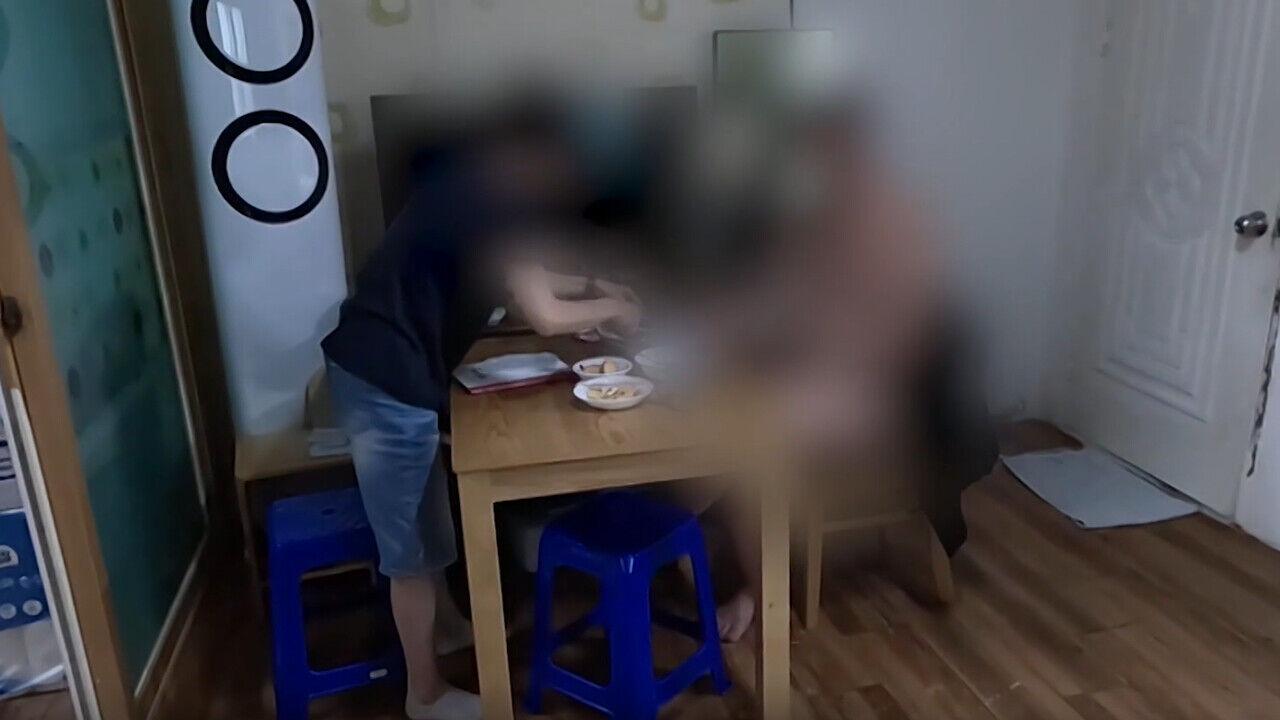
The mother of "Person A," whom I met in Hwasun, South Jeolla Province, has lived as a Peter Pan mother for 29 years. Her son with developmental disabilities, who turned 29 this year, stays mostly at home. The mother, her younger child—both of whom must earn a living—and a visiting personal assistance worker take turns caring for Person A. However, their rotating shifts do not cover all 24 hours of his day. Person A is often left alone at home. Even after more than two decades of caregiving, his mother remains constantly anxious whenever he is left by himself.
Throughout the interview, which lasted over 30 minutes, the exhausting toll of caregiving spilled out in tears. Recalling an occasion when she was completely drained after struggling with her son through the night as he refused to sleep, she left him alone in the house and went out to her car parked outside the gate to take a brief rest, only to remember the day he drank too much water while unattended, collapsed, and was rushed to the emergency room. She explained that while her son is mobile, unpredictable dangers like this put his life on the line. She added that although she has often felt resentment toward him, she is deeply grateful simply that he is alive and breathing by her side.
To make a living and ensure her son's safety, Person A's mother felt that having the entire family tied down solely to caring for him had to change. People around her suggested placing him in a facility, but she said that was far from easy. "There are no facilities that will take him. They reject him because he cannot manage personal hygiene, such as using the restroom or eating on his own. They say there is no dedicated staff to look after only my son." There was a time when he briefly attended a daytime daycare center, but his "challenging behaviors" became an issue. Caregivers were injured due to his challenging behaviors, such as self-harm or aggression toward others. After he was ultimately unable to continue attending the center, what was newly recommended to her was the "Integrated Care Service."

The State Promised Responsibility, but Left an Indefinite Wait
Person A's mother applied for the service immediately. The results of her application submitted in February came out around late March. Person A was deemed eligible, and a notice arrived stating that among the three service models (24-hour individualized, daytime individualized, and daytime group), he was selected for the daytime group model. "Back then, I had hope. I truly believed we would finally get help." However, her hope gradually crumbled over the ensuing months. Even today in September, specialized and customized care for Person A has not begun. The immense anticipation has turned into even greater disappointment.
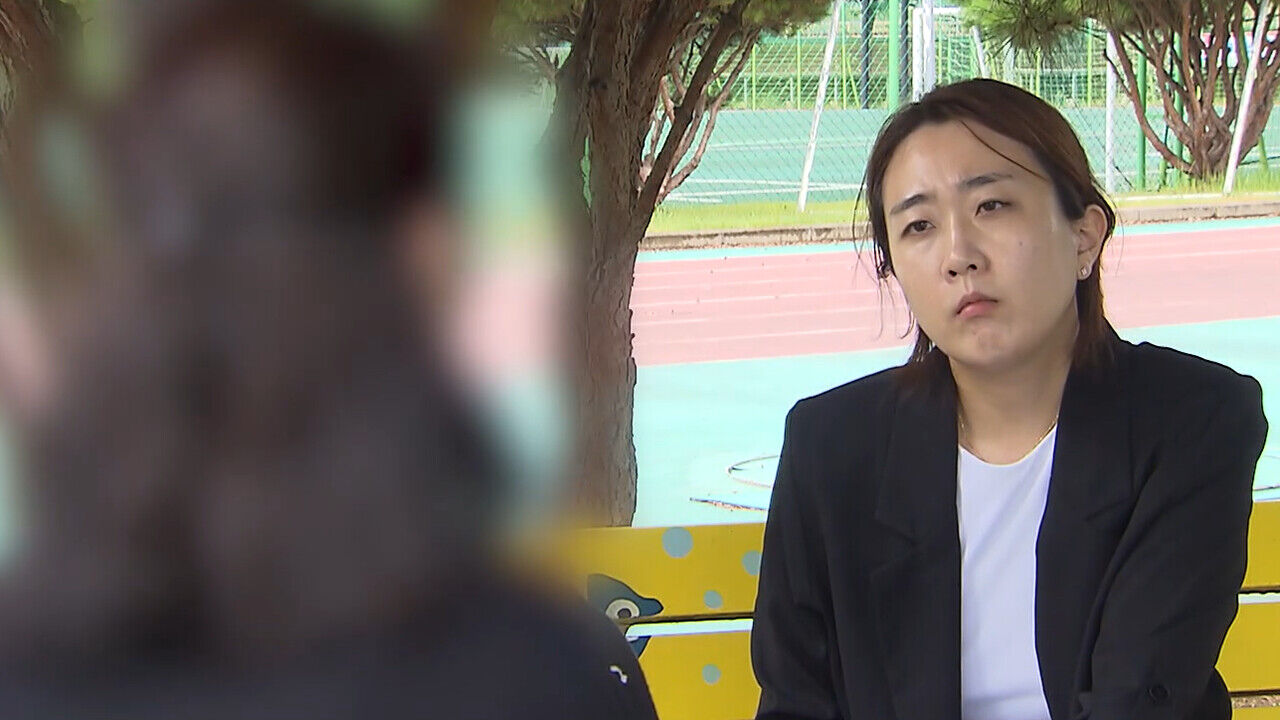
Selected for Care Services, but No Caregiver in Sight
Person A's family waited four months because no caregiver was hired. Since the work requires spending time with individuals with developmental disabilities and facing challenging behaviors directly, this job is considered to have the highest difficulty level among caregiving services. Additional training is also required. Consequently, few people are willing to take on the role. While the local government where Person A's family resides posted occasional job notices on its website, no one applied, and time simply slipped away without any clear solution.
It was not until late July that the mother finally received word that one caregiver had been hired to care for Person A. Told that care would begin in early August and that she needed to attend guardian training beforehand, Person A's mother regained hope. She adjusted her work schedule, took leave from her job, and waited for the day of the training. But three days later, another call came. She was told the service could not begin because this year's budget for the program had already been exhausted. The mother was stunned. When told she would have to wait again, harsh words burst from her mouth: "Are you playing games with people? Then you shouldn't have created such a service in the first place," and "Why don't you just tell us we are useless human beings and should just go die?" These words reflected the heavy burden of past caregiving, compounded by resentment born of shattered hope.
After waiting four months to finally recruit a caregiver, there were now no funds left to pay the worker once care was about to start. The newly hired caregiver quit in the meantime, leaving Person A's family stranded in waiting once more. The mother is growing exhausted again amidst the uncertainty of when a new budget will be allocated, whether anyone will be willing to care for Person A when funds do arrive, and whether the wait will simply continue if no caregiver is available then. "I feel the government made an announcement without being prepared at all, and when we actually try to use it, we run into so many obstacles. It feels like there are just too many walls."
Why Did the Budget Run Short When the Overall Program Has Leftover Funds?

The budget for this service is formed through matching contributions from national, provincial/metropolitan, and county funds. When asked, Jeonnam-Gwangju explained, "The national government distributes the budget based on an 'average unit cost.'" For instance, while one person receiving daytime group services can request a maximum care time of 8 hours a day, or 176 hours a month, the government does not provide a budget from the start that allows all recipients to use this maximum limit of 176 hours. Officials added that to temporarily resolve the situation in Hwasun County, they decided to retrieve some unused budget from other basic local governments within Jeonnam-Gwangju and allocate it to Hwasun County. When asked what would happen if those other municipalities run short of funds later, the response was, "We leave a minimum amount behind."
The Ministry of Health and Welfare offered a surprising explanation: overall, this project actually leaves budget unspent. As explained below, because it is difficult to recruit caregivers, funds end up remaining unspent. The Ministry clarified that the budget shortage mainly applies to Person A's situation—the daytime group model. The 24-hour individualized service, considered even more demanding, has even fewer applicants willing to work, leading to leftover funds, whereas daytime group services are relatively more active, resulting in local budget shortfalls. The Ministry surveyed local governments nationwide between July and August, and since most municipalities reported budget shortages for the daytime group model, it plans to allow local governments to cross-transfer leftover funds across different service types within September.
Hearing all these explanations left another question: regardless of whether it is for daytime group care or any other type, why could the budget not be allocated based on the maximum capacity rather than the so-called "average unit cost" in the first place? If the maximum service time one person can use is 176 hours, why not calculate the budget based on the unit cost for 176 hours? The response was, "From the fiscal authority's perspective, they have no choice but to consider the overall budget execution rate." It meant they worry about what to do if a large budget is allocated but cannot be fully spent.
In 2026, the budget for this service project stands at 92.1 billion won, with the daytime group model accounting for 46.2 billion won. In the government's 2027 budget proposal, total project funding increased by 16.9 billion won. Subject to parliamentary review, a total budget of 109 billion won is slated for the Integrated Care Service for People with Severe Developmental Disabilities in 2027, of which 57.6 billion won is earmarked for the daytime group model. While the total amount has clearly increased year-on-year, rigid "partitions" that prevent surplus funds in 24-hour care from being used for daytime group care still remain. Can anyone guarantee that issues like this will never happen again?
Is Waiting the Only Solution for Caregiver Recruitment?
The difficulty in recruiting care staff is chronic. Since the service first launched in June 2024, this issue has remained unresolved. Because people cannot be forced to do this work, policies are needed to encourage more people to step forward voluntarily. According to data on the operational status of the Integrated Care Service for People with Severe Developmental Disabilities obtained by the office of Representative Choi Bo-yoon of the National Assembly's Health and Welfare Committee last June, as of April 2026, 158 people were using the 24-hour service, 318 used the daytime individualized service, and 771 used the daytime group service. Taking the 24-hour service as an example: because it literally requires one-on-one care around the clock, caregivers must work in shifts. Multiple care workers must form a team for a single individual. While the government's target quota is 340 individuals with developmental disabilities—requiring an estimated 1,200 care workers to ensure smooth operations—the actual number of active care workers stands at only 541.
The Ministry of Health and Welfare, which determined that "the current shortfall in meeting target quotas is the result of a combination of caregiver shortages and low institutional participation," is working to improve working conditions by increasing the monthly professional allowance to 200,000 won and encouraging local governments. In a monitoring survey conducted about a year after the program began, 45.7% of care workers reported experiencing injuries (such as abrasions and bruises) while providing care. A significant 69.1% responded that they experienced extreme tension regarding safety accidents. Considering the difficulty of this caregiving work, can we say the level of improved working conditions is sufficient? Person A's mother shared similar concerns, noting that caregivers also need to provide for their own families, yet their wages and employment status remain unstable.
'State Responsibility for Care': A Promise That Still Seems Distant
Statements promising to detect crisis signals from family caregivers and ensure state responsibility for care still seem out of reach, at least for Person A. "Compared to the past, welfare has improved immensely, and I feel that tangibly. (However,) while the government might not be able to handle everything for people with disabilities or the elderly, aren't their announcements saying that they will? Honestly, I feel I cannot ask for anything. When I look at the internet, there is so much criticism saying that we are receiving government benefits and our demands are endless. What I felt inside was... in the past, some parents said their only wish was to live just one day longer than their child. For me, I even thought about dying together with my child, but that felt like committing a sin too."
High Satisfaction with Services... Perfection Must Be Enhanced
Professor Kim Mi-ok of the Department of Social Welfare at Jeonbuk National University, who participated in the policy's design and has conducted extensive research in this field, confessed: "Among the families I interviewed, some had been rejected by facilities as many as 12 times. Pushed into a corner by repeated rejections, some even made unimaginable choices." One parent, who had moved to the countryside because their child's screaming made it difficult to live alongside neighbors, found caregiving so overwhelming that they suddenly blurted out, "I need to go to Switzerland" [for assisted dying]; however, after starting this service, they said, "I no longer need to go to Switzerland."
When asked how to improve the two major areas—caregiver workforce and budget—Professor Kim first pointed to "improving working conditions for caregivers." She emphasized, "We must ensure these are decent, quality jobs, and we need to foster a culture of gratitude and respect for care workers by sharing that this is truly demanding work done with values and conviction." This brought to mind a passage from a book I recently read outlining four rights society must guarantee: the right to care, the right to receive care, the right not to be forced to provide care, and the right not to be forced to receive (inappropriate) care. Recognizing the value of these care workers—who must be able to provide appropriate care without being coerced into caregiving—it seems time to change the dismissive attitudes that are sometimes directed toward them.

Regarding the budget, Professor Kim suggested allowing flexible use for urgent needs. Currently, rigid walls exist between the budgets for 24-hour care, daytime individualized care, and daytime group care. Even if a municipality has surplus funds in 24-hour care and runs out of daytime group care funds, the local government cannot freely transfer the funds on its own. It must report the situation to the central government (the Ministry of Health and Welfare), which then collects the information and approves fund reallocations. Professor Kim stated, "I believe we should lower institutional barriers so that the budgets across the three types can be used flexibly." She stressed that since the system was introduced relatively recently, policy refinement based on field feedback and evidence must continue. Using accumulated data on care demand and supply, the system should be perfected in a way that best fits South Korea's context, centering on users with developmental disabilities and easing family care burdens.
A Mother Who Said, "I Just Wish People Knew"
Professor Kim, who has researched this topic for over a decade, asked at the end of our interview if she could add one more point, emphasizing once again the significance of this service. She re-emphasized the positive impact of this system, which reached its current achievements after nearly two years without even a pilot program. She explained that customized, one-on-one care provided by service agencies has led to remarkable improvements, such as reduced challenging behaviors among users with developmental disabilities, along with visible happiness among families relieved of their caregiving burdens. While the term "severe" is currently used to define service recipients, she expressed hope that in the distant future, rather than labeling them as "severe," society will view them through the lens of diversity as "people who need care," fully accepted as citizens in our society.
Another passage from the book came to mind: we must not equate the individual with the family and call "family care" self-reliance. The book noted that the myth of private care must be dismantled; otherwise, public care will remain nothing more than a second-rate substitute supplementing family care. Over yesterday and today following the broadcast report, comments appeared below the article stating, "The family should take care of it," and what seemed directed at the mother: "Be grateful if they give it, and if not, do it yourself." I was reminded again of the book's passage that the moment family care is viewed as an asset of social welfare, the state gains an excuse to neglect its social welfare duties. State responsibility means we share the burden together. We have an obligation to ensure that the story of the "Peter Pan father" does not remain an exceptional legend from long ago. Setting aside all macroscopic discussions, the reason we must share this responsibility is simple: the story of Person A's family could one day become our own.

* References used for this article:
- Ministry of Health and Welfare · Jeonbuk National University. 2024. In-Depth Study on the Development of Integrated Care Services for People with Severe Developmental Disabilities.
- Ministry of Health and Welfare · Jeonbuk National University. 2025. Monitoring Study on Integrated Care Services for People with Severe Developmental Disabilities.
- Chizuko Ueno. 2024. The Sociology of Care.
※ Please note: This article was translated by AI and may contain errors.



 Video News

 Video News
 Video News
