
 KOR
KOR

Among past cases, the clash between former President Lee Myung-bak and former Chief Justice Lee Yong-hoon offers significant insights into the current crisis surrounding the demand for a re-nomination of a Supreme Court justice. This is because Chief Justice Cho Hee-dae attempted the very compromise method used by former Chief Justice Lee Yong-hoon. Yet the outcomes were different. Lee Yong-hoon succeeded, but Cho Hee-dae failed.
How Lee Yong-hoon Resolved the Supreme Court Nomination Conflict
The 'Lee Yong-hoon-style solution' is described in detail in the book "Supreme Court, I Object!" The book was written by author Kwon Seok-cheon (a former editorial writer for the JoongAng Ilbo) based on interviews with former Chief Justice Lee and other sources.
The incident occurred in August 2009 when selecting a successor to former Supreme Court Justice Kim Yong-dam. Cheong Wa Dae strongly favored a specific candidate: Gil Gi-bong, then-Chief Judge of the Daejeon District Court. However, Chief Judge Gil failed to receive a recommendation from the Supreme Court Justice Recommendation Advisory Committee (the predecessor of the current Supreme Court Justice Candidate Recommendation Committee). This was former Chief Justice Lee Yong-hoon's intention. He reportedly believed, "Accepting the Supreme Court justice card demanded by Cheong Wa Dae as is could impact the Chief Justice's nomination authority and, by extension, judicial independence." Fearing that including the figure requested by Cheong Wa Dae in the shortlist could lead to a moment where he "might have to confront the president head-on" during the nomination process, he excluded the candidate from the advisory committee's recommendation stage entirely. (Quoted from "Supreme Court, I Object!")
Cheong Wa Dae reportedly expressed displeasure. The nomination schedule continued to be delayed. Repercussions escalated to the point where Cheong Wa Dae reacted by saying, "There is no reason to meet with the Chief Justice over the issue of Supreme Court justice nominations. Going forward, the Supreme Court should submit Supreme Court justice nominations in writing." The situation came right to the brink of former Supreme Court Justice Kim Yong-dam's retirement date without a successor being appointed. In the end, former Chief Justice Lee Yong-hoon presented a 'solution.'
The Supreme Court Justice Recommendation Advisory Committee had recommended four candidates: Kwon O-gon, Jeong Gap-joo, Lee Jin-sung, and Min Il-young. Former Chief Justice Lee offered a compromise: letting the president choose one person among the three who were serving court chiefs. Whomever among the three the president selected, the Chief Justice promised to nominate. Author Kwon Seok-cheon assessed, "(Former Chief Justice Lee) effectively gave Cheong Wa Dae a wildcard."
Former President Lee Myung-bak selected Min Il-young, then-Chief Judge of the Cheongju District Court, from among the three candidates presented by the Chief Justice. Former Chief Justice Lee met with the president at Cheong Wa Dae and nominated Chief Judge Min as a Supreme Court justice. A breakdown was averted. At the time, former Chief Justice Lee reportedly thought, "Unless I put my position on the line over Supreme Court nominations, it will be hard to fulfill the role of Chief Justice."
Cho Hee-dae Attempted the 'Lee Yong-hoon Solution'… The Result Was Different
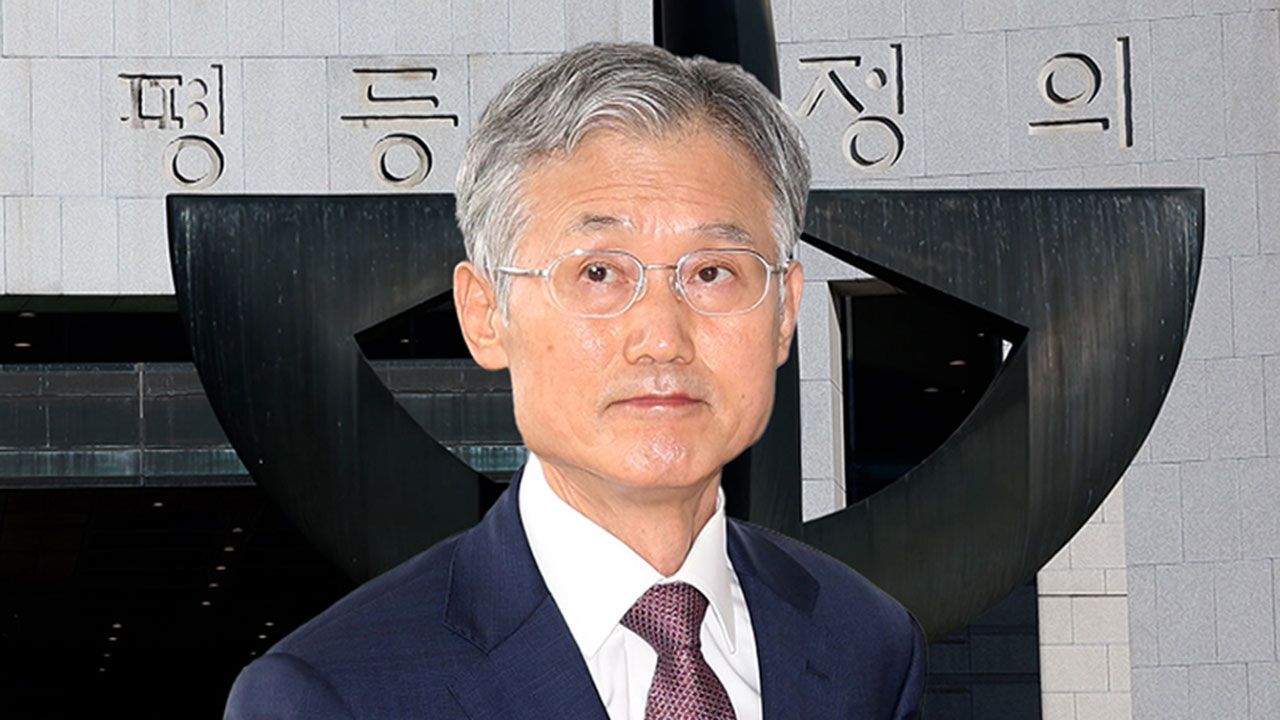
In February 2026, ahead of the retirement of former Supreme Court Justice Roh Tae-ak, the Supreme Court Justice Candidate Recommendation Committee recommended four successor candidates to Chief Justice Cho Hee-dae: Yoon Seong-sik, Park Soon-young, Son Bong-gi, and Kim Min-gi. Cheong Wa Dae strongly desired the nomination of Presiding Judge Kim Min-gi of the Suwon High Court. However, Chief Justice Cho Hee-dae maintained the stance that Presiding Judge Kim Min-gi could not be nominated. There was a reason.
The official reason was that Presiding Judge Kim Min-gi's husband is Constitutional Court Justice Oh Young-joon, who was appointed by President Lee Jae-myung. The rationale was that it is problematic for a married couple to share top judicial seats across the Supreme Court and the Constitutional Court. Yet inside and outside the judiciary, analyses suggested the real reason was identical to what former Chief Justice Lee Yong-hoon faced 17 years ago: "Accepting the Supreme Court justice card demanded by Cheong Wa Dae as is could impact the Chief Justice's nomination authority and, by extension, judicial independence."
Chief Justice Cho Hee-dae proposed the 'Lee Yong-hoon-style solution.' According to a Dong-A Ilbo report on March 3, 2026, during the early stages of the nomination controversy, the president's side suggested Kim Min-gi as first priority and Park Soon-young as second priority, while the Chief Justice's side suggested Yoon Seong-sik as first priority and Son Bong-gi as second priority. Subsequently, the Chief Justice expressed willingness to nominate Presiding Judge Park Soon-young if that was Cheong Wa Dae's wish; however, Cheong Wa Dae continued to demand the nomination of Presiding Judge Kim Min-gi, preventing an agreement. Chief Justice Cho Hee-dae had essentially conveyed that he would accept whomever the president chose among the remaining three candidates, excluding Presiding Judge Kim Min-gi whom Cheong Wa Dae had singled out. It was an approach similar to that of former Chief Justice Lee Yong-hoon 17 years ago.
After the 'Lee Yong-hoon-style solution' failed, matters grew more complicated. Unexpected circumstances arose involving two of the three candidates proposed by Chief Justice Cho Hee-dae. Presiding Judge Yoon Seong-sik was assigned as the presiding judge of the special bench handling insurrection cases, including those of former President Yoon Suk Yeol. Designating a judge presiding over insurrection cases as a Supreme Court justice was difficult to consider. Presiding Judge Park Soon-young ran into issues due to serving as an incumbent commissioner on the National Election Commission. A judge serving as an election commissioner had rarely been problematic. However, issues surrounding the National Election Commission surfaced immediately after the local elections in June 2026. A special counsel investigation was also launched. Chief Justice Cho Hee-dae's side reportedly conveyed to Cheong Wa Dae that nominating Presiding Judge Park Soon-young had consequently become difficult as well.
At this juncture, Chief Justice Cho Hee-dae was left with only two choices: nominate Presiding Judge Kim Min-gi as demanded by the president, or nominate Presiding Judge Son Bong-gi without an agreement with the president. (As a third option, the Minister of the National Court Administration appears to have considered reconvening the Supreme Court Justice Candidate Recommendation Committee to select a fresh pool of candidates. To that end, the Minister of the National Court Administration reportedly contacted the four recommended candidates to ask if they would voluntarily step down, but dropped the idea following pushback from some candidates. However, this ended up fueling even greater controversy.) Between the two choices, Chief Justice Cho Hee-dae opted to nominate Presiding Judge Son Bong-gi without an agreement with the president. What followed is known to all.
Rejecting Compromise and Exercising Respective Powers… 'Re-nomination' Procedure is the Chief Justice's Choice
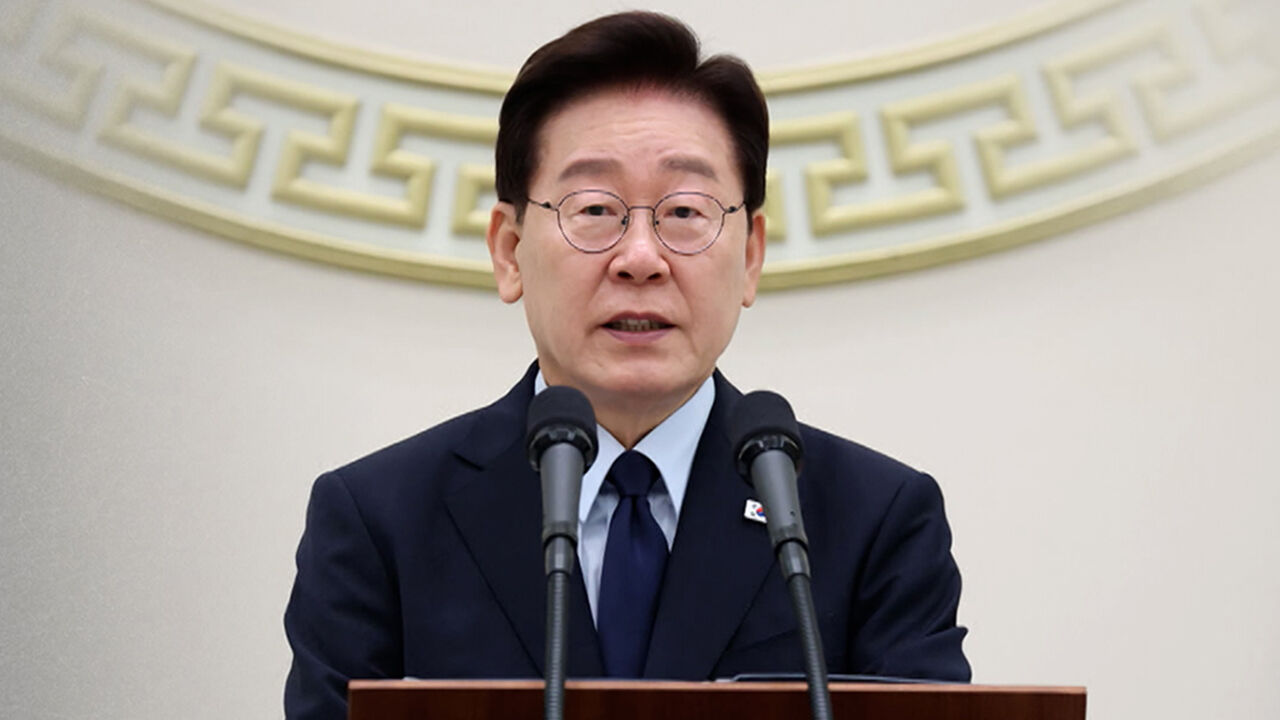
Need to Balance 'Democratic Legitimacy' and 'Judicial Independence'… Double Standards Must Be Filtered Out
However, there are those who must be filtered out right now: those who emphasize 'judicial independence' when the 'other side' is president and 'their side' is Chief Justice, but prioritize 'democratic legitimacy' when 'their side' is president and the 'other side' is Chief Justice. Just a few years ago, when former Chief Justice Kim Myeong-su and former President Yoon Suk Yeol clashed over Supreme Court nominations, some people criticized the president while emphasizing judicial independence. Many of those same people are now clamoring for democratic legitimacy while criticizing the Chief Justice. Only after excluding such individuals can rational debate take place. Discussion is possible only among those who take responsibility for their own words.
※ Please note: This article was translated by AI and may contain errors.




 Video News

 Video News
 Video News