
 KOR
KOR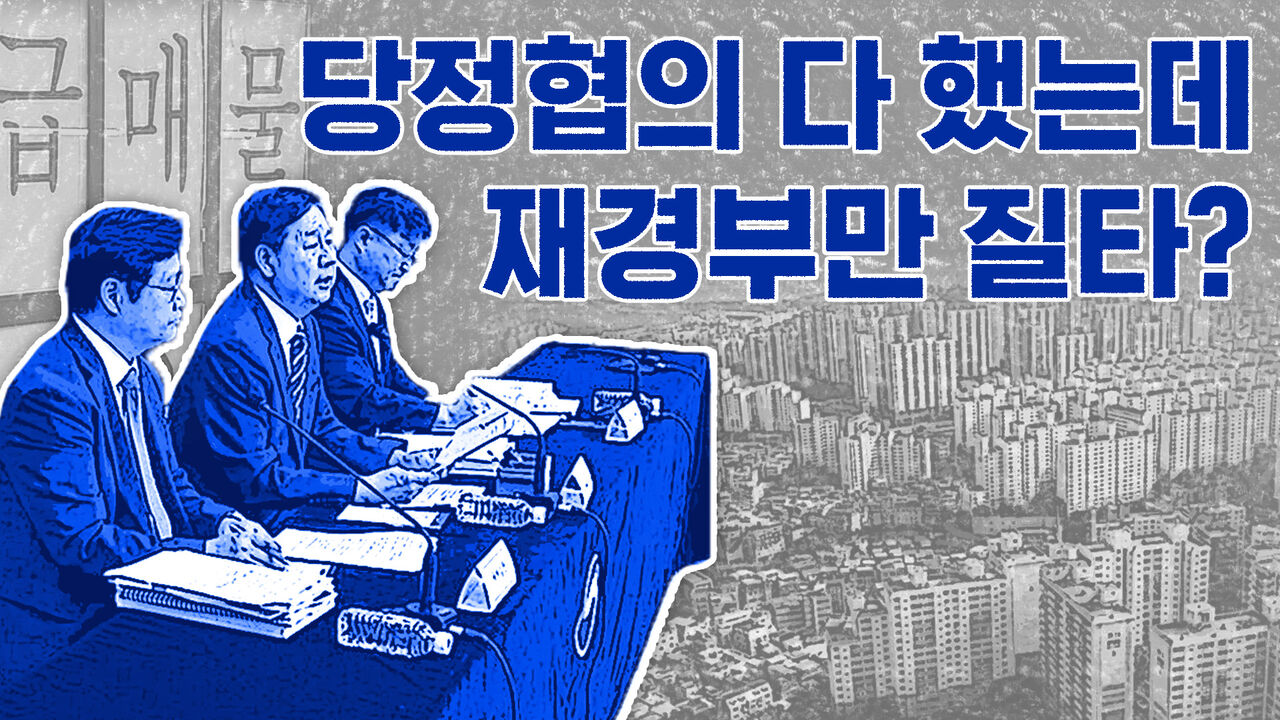
However, there are a number of puzzling aspects. The tax reform plan was announced on a large scale on August 3, and consultations between the ruling party and the government had already been completed. Above all, the public felt that the driving force behind this bill under the mottoes of "tax normalization" and "fair taxation" came from the Presidential Office and the ruling bloc. If so, there must have been coordination with the Presidential Office and a report to the president before the party-government consultations, making it puzzling that the ministry was criticized after public pushback followed the official announcement by the executive branch. Even within the ruling party, comments emerged such as, "The Ministry of Finance and Economy needs to pull itself together." From the public's perspective, growing questions arise as to whether the Ministry of Finance and Economy announced details that even the Presidential Office and the ruling party were unaware of, or whether party-government consultations were properly conducted. This situation is raising issues over the overall credibility of the tax reform plan.
Unsettled Rental Market: Jeonse Crisis Must Be Prevented
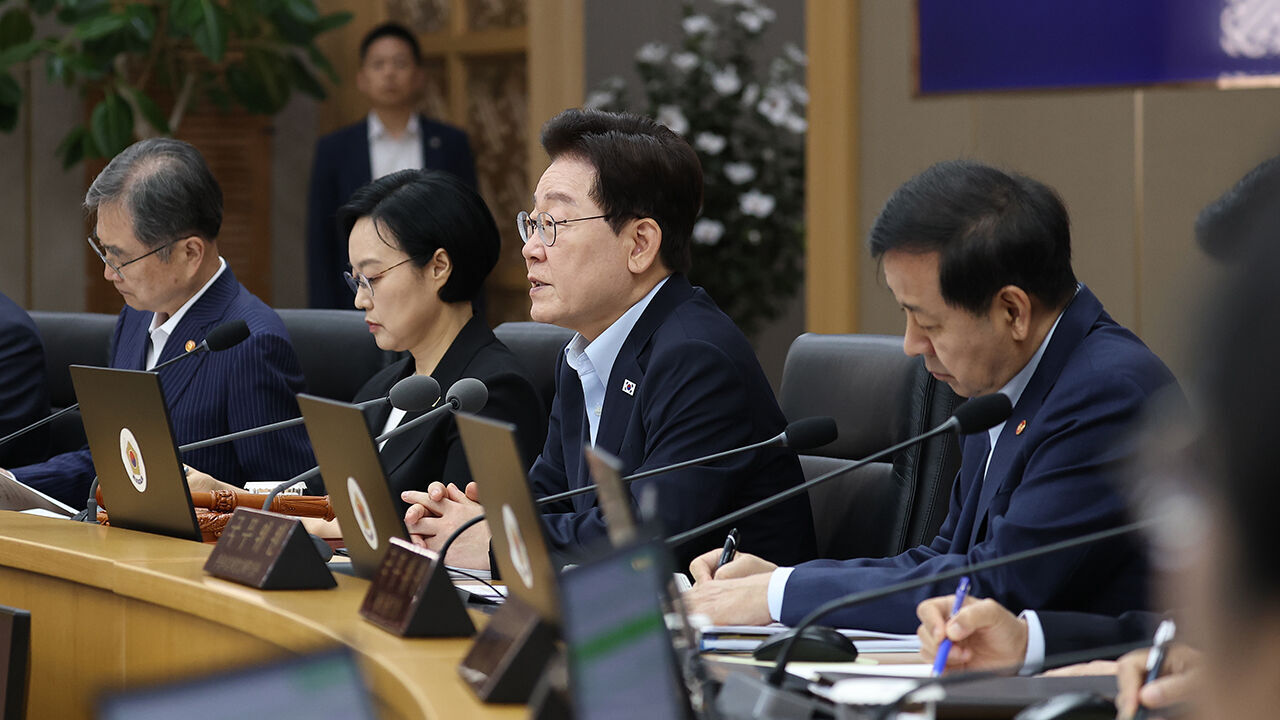
In response to criticisms that the measures negatively impact the rental market, the government explains that it has expanded tax credits for monthly rent for tenants and will soon announce measures to expand housing supply. Would it not have been more appropriate for stabilizing market sentiment to first announce housing supply measures—the fundamental solution—before the tax reform plan? Above all, housing supply takes time. Follow-up measures to absorb the shock are essential. First, the reduction period for special tax deductions for long-term holding, set in phases over two to three years in the government's plan, needs to be extended by several more years. The goal is to reduce the urgency regarding returning to actual residency or timing a sale, thereby preserving rental periods. Second, in cases where lease contracts are already ongoing, exempting actual residency requirements until contract expiration is also necessary. Experts also suggest partially reviving systems that offer holding tax and capital gains tax cuts to owners of multiple homes who commit to long-term leases while limiting rent increases to a certain level. These are measures that should be considered first to prevent harm to tenants.
'Trigger' of Non-Resident Single-Home Owners: Was the Preparation Ready?
The demands from non-resident single-home cases are rooted in more practical life situations, with a prominent number of complaints calling for non-residence due to childcare or family care to also be recognized as exceptions. Voices argue that grandparents who move to the area where working couples reside to care for grandchildren, leaving them with no choice but to rent out their own homes, should not be penalized. There were also consecutive demands to count periods exceeding three years as residency periods, as overseas assignments or childcare periods often extend beyond three years. In addition, the condition of "relocating to another city or county" is viewed as practically too high a hurdle.
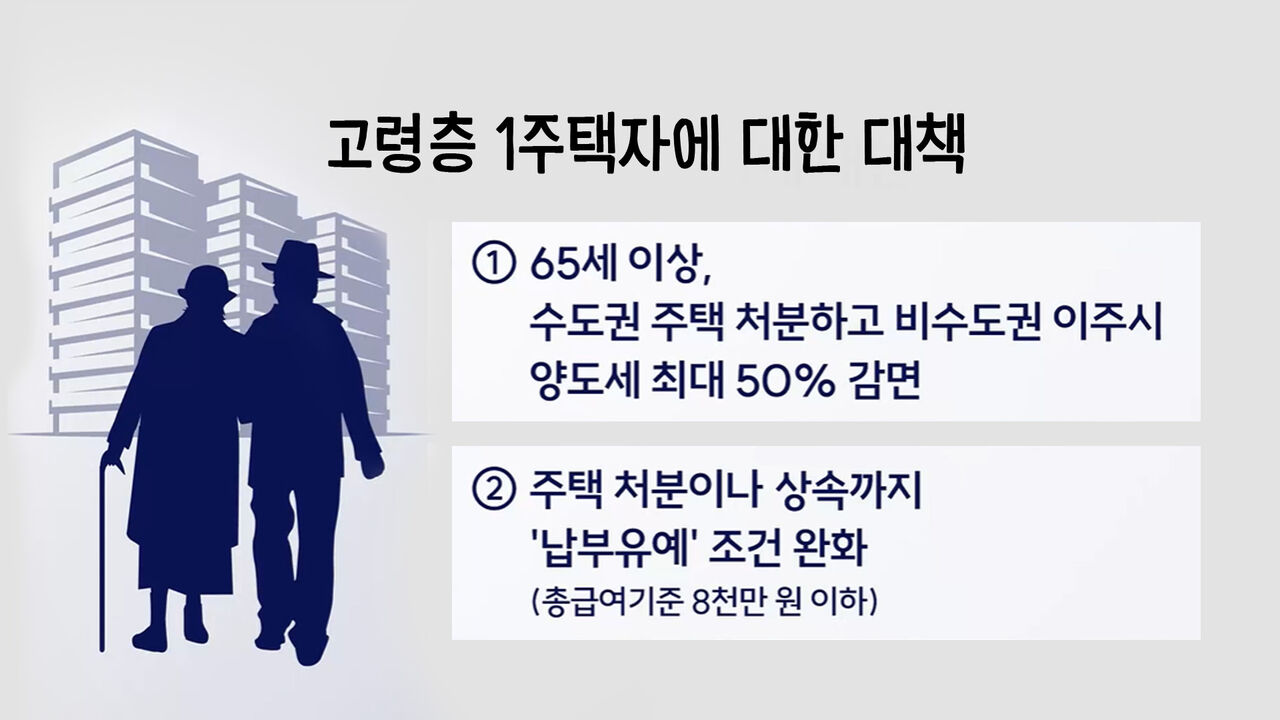
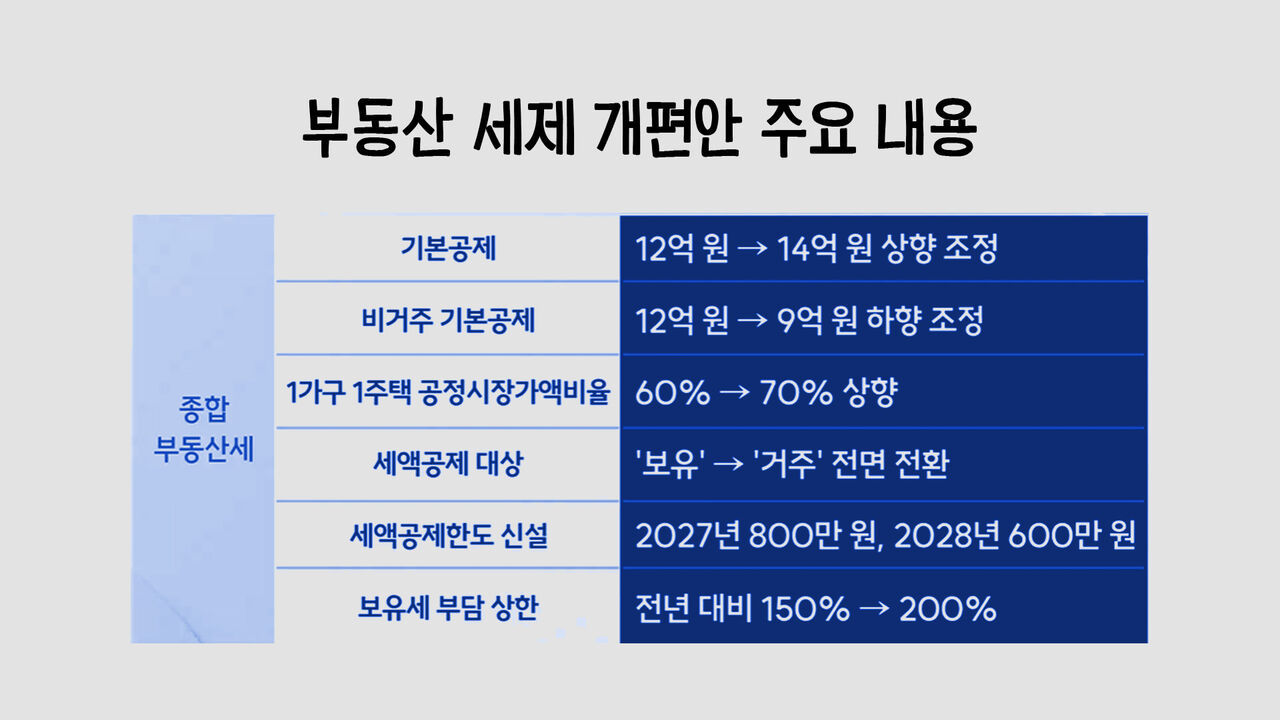
Another case involves elderly owners of high-priced homes. Simplified, the government's proposal structures the Comprehensive Real Estate Holding Tax as non-taxable for market values under 2 billion won, reduced tax burden compared to the present for 2 billion to 3 billion won, tax normalization for 3 billion to 4 billion won, and significant increases for over 4 billion won. Complaints point out that many seniors past retirement age have seen their home values rise substantially due to long-term residency, even as they often have no income. The government is offering supplementary measures such as reducing capital gains tax by up to 50% for individuals aged 65 and older who dispose of homes in the Seoul capital area and move to non-capital regions, while easing conditions to defer tax payments until the time of property sale or inheritance. However, alongside expectations that few will desire or be able to move to non-capital areas due to welfare and medical conditions, critics point out the need to further relax income requirements for tax payment deferrals.
The government explained that while it reviewed plans to make exceptions for non-residence due to childcare and child-rearing, it worried that broadly recognizing this could lead to side effects such as "gap investment"—buying homes with jeonse leases without actually residing in them—in areas like Seoul. However, because this issue generates the most complaints, room for adjustment during the legislative process remains. Ultimately, criticism arises that preparation time was insufficient compared to the anticipated fallout.
Inducing Investment in Domestic Stock Market Amid All This? Crisis of Exodus Among 20s and 30s
On top of this, the newly proposed "Productive Finance ISA" offered full tax exemption on interest and dividend income, but limiting investment targets exclusively to domestic stocks and domestic stock funds sparked considerable backlash. In particular, with volatility in the domestic stock market causing losses for many investors and driving up the scale of investment by "Seohak Ants" (Korean retail investors in overseas markets) seeking refuge, the move appeared to pressure investment in the domestic stock market at a time when government responsibility was being raised. Analysis is dominant that the president stepped in to order a full review largely because resistance among the younger demographic was particularly strong. Given this situation, adjustments are likely to be made to maintain existing ISA account benefits, but damage to the overall credibility of the tax reform plan is inevitable.
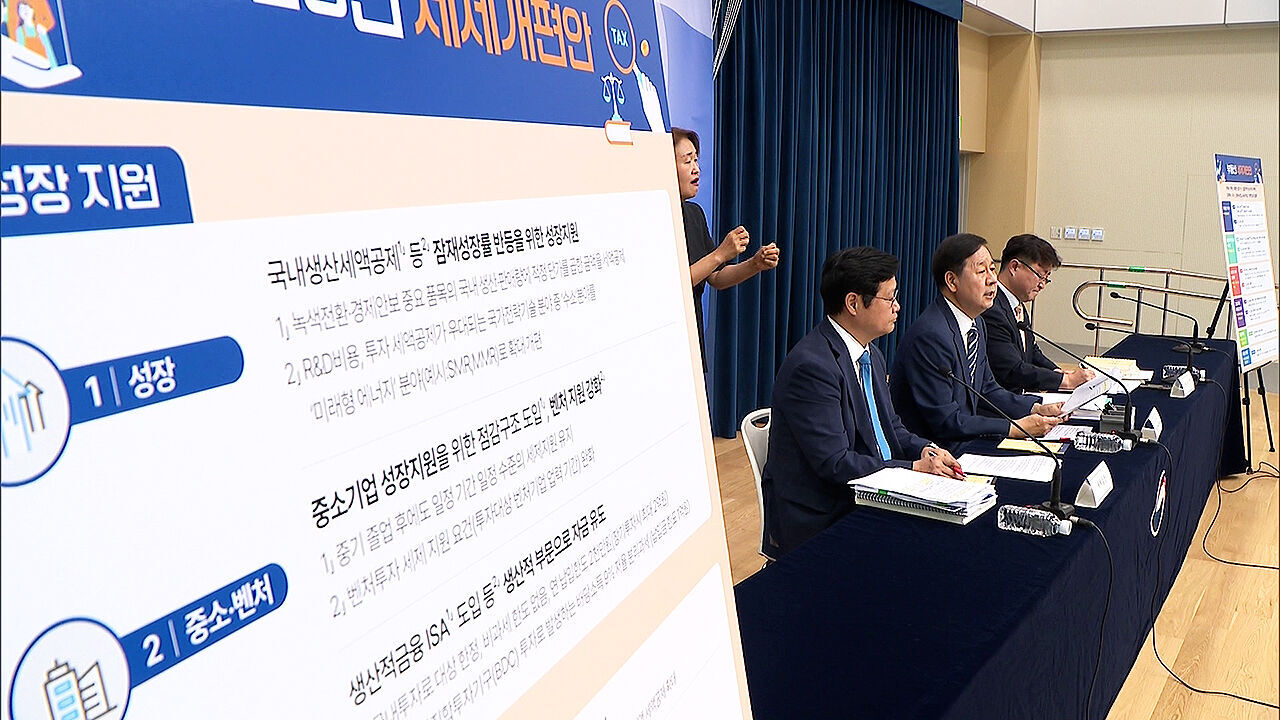
Path of Policy and Path of Politics: 'Reality Check' Must Be Respected
The big picture of this reform plan is interpreted as shifting the taxation standard for real estate from the "number of homes" to the "value of homes," and achieving fair taxation by strengthening taxes on non-resident home ownership and ultra-high-priced homes. In that it fundamentally alters long-standing principles, one cannot shake the feeling that it was too much for policy bureaucrats to handle such a massive change in a short period. Because the contents are complex and give rise to various scenarios, speculation suggests that makeshift prescriptions—adding "deferrals" or "exceptions" where side effects were anticipated—were unavoidable. In short, policy could hardly keep pace with the overspeeding of politics. In this process, were the reality checks and opinions of policy bureaucrats given serious weight? This is a point that must be examined before reprimanding the ministry in charge. This is because the role of politics goes beyond reading the spirit of the times, setting direction, and mediating and persuading conflicting interests, to ultimately taking final responsibility.

※ Please note: This article was translated by AI and may contain errors.



 Video News
 Video News
 Video News
 Video News
 Video News