
 KOR
KOR
The posts included several screenshots: a Japanese manga claiming that "dolsot bibimbap originated in Osaka, Japan," along with posts by Japanese social media users agreeing with the comic.
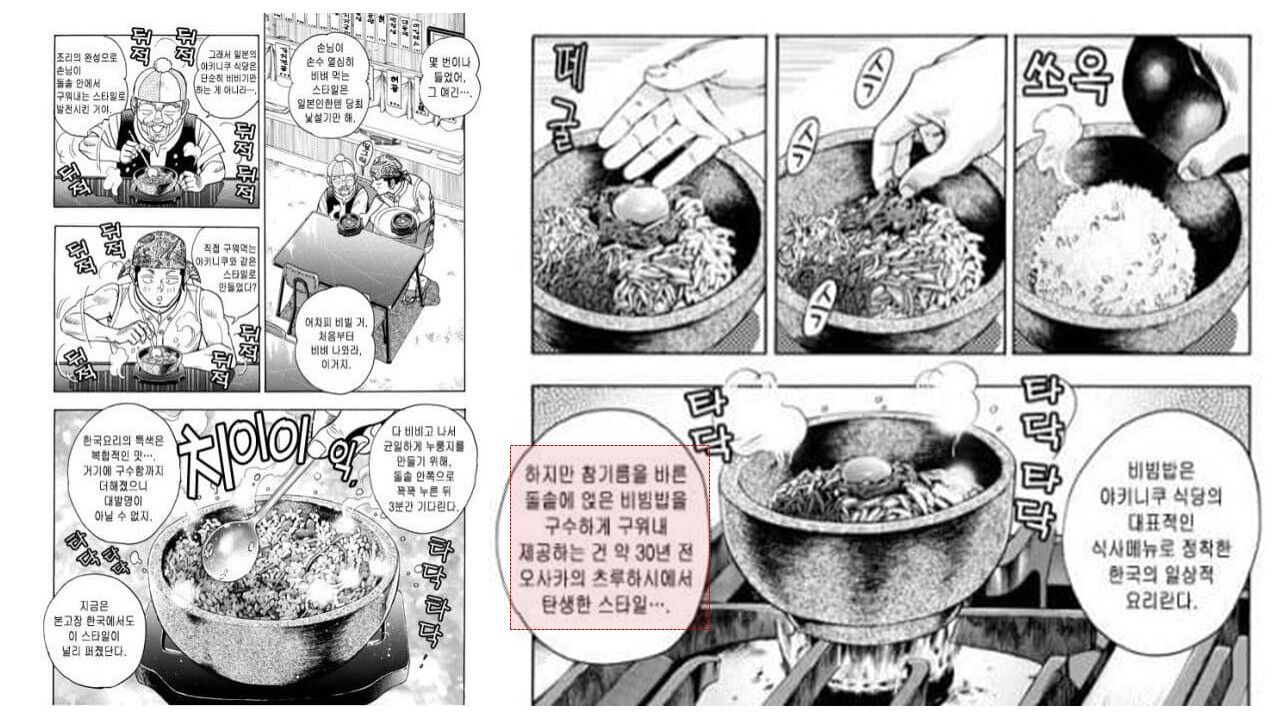
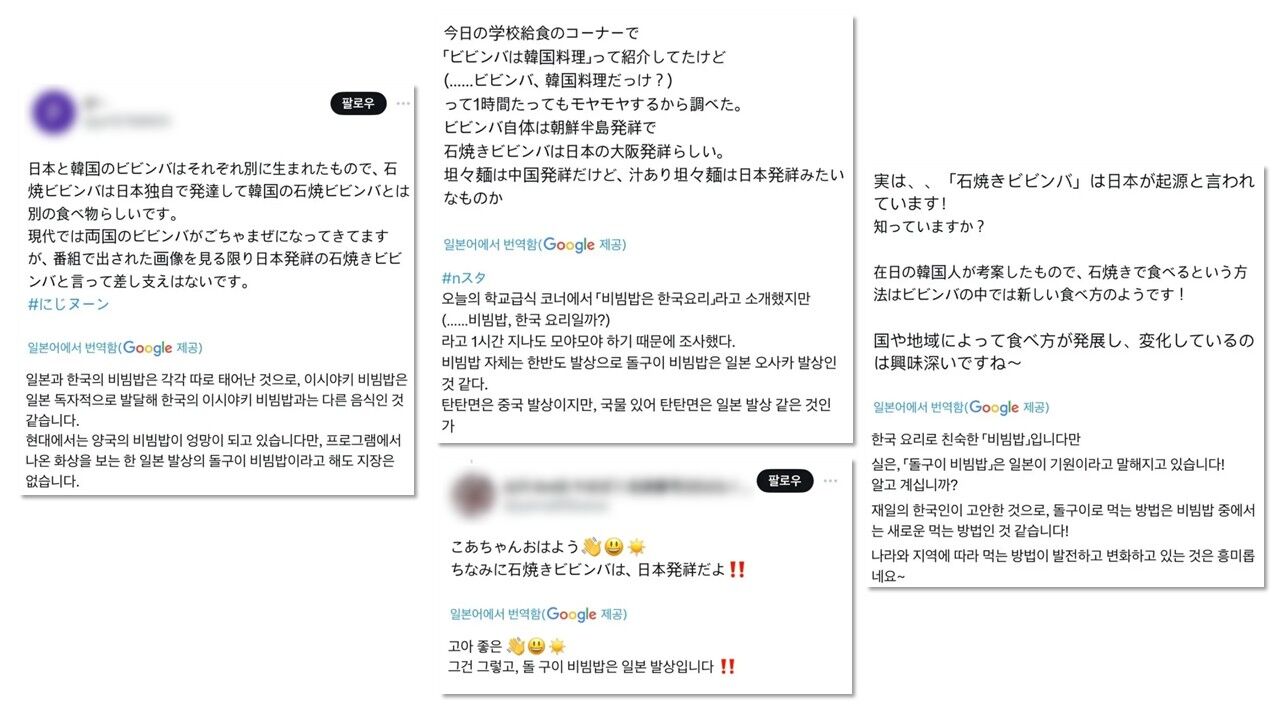
Bibimbap is a quintessential icon of K-food, and hearing claims that Japan is the originator of serving it in a hot stone pot—a distinct part of Korean culinary culture—naturally sparked public outrage.
South Korean netizens did not stay silent. Drawing a parallel to China's attempt at historical distortion known as the "Northeast Project," they even coined the term "Dolsot Project" to describe Japan's supposed actions. Numerous YouTube Shorts videos criticizing Japan were also uploaded.
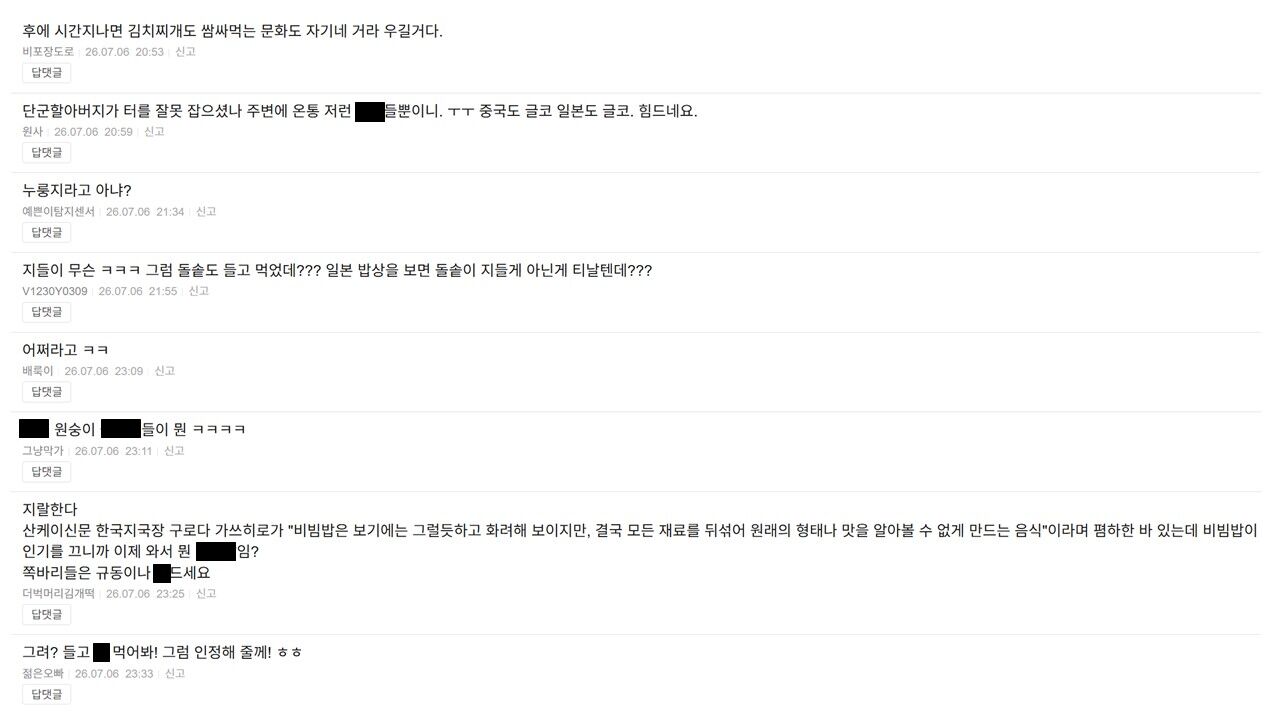
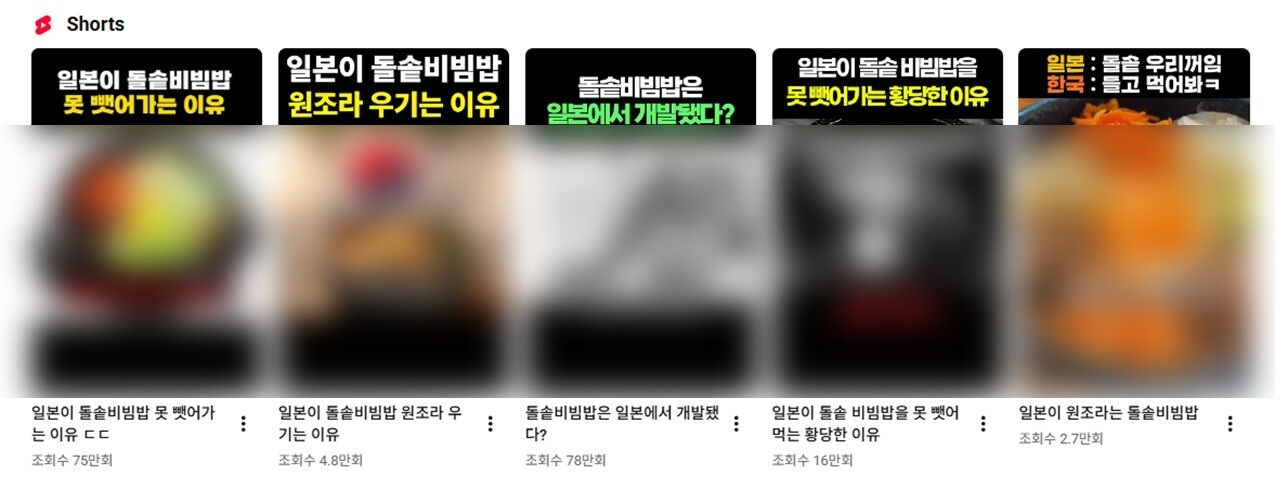
There is no doubt that Korea is the birthplace of dolsot bibimbap. On the Traditional Culture Portal (www.kculture.or.kr), operated by the Korea Craft & Design Foundation, the origins of dolsot bibimbap are clearly documented, explaining that it began in Jeonju during the 1960s.
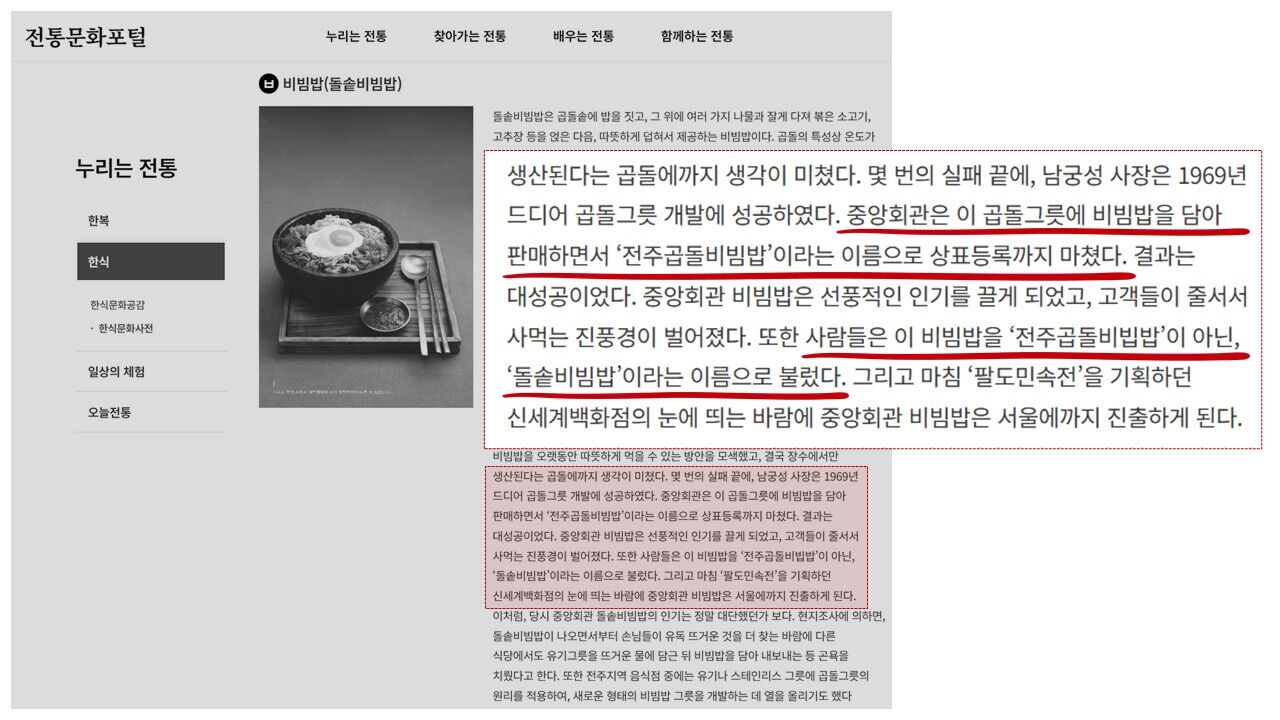
But then, is the claim that dolsot bibimbap originated in Japan actually spreading rapidly in Japan?
Today, the SBS Fact Check team looks closely into the "process of how this information spread."

First, we decided to search for the original manga that allegedly claimed "dolsot bibimbap was born in Osaka, Japan." After verifying through various tools including Google Image Search and AI, the original title of the comic was confirmed to be "The Yakiniku PEOPLE Bulgogi" (The 焼肉PEOPLE プルコギ).
The SBS Fact Check team purchased the comic online and reviewed its content. Indeed, we found a section explaining that "dolsot bibimbap was born in Osaka."
On the left is the Korean translation circulating on social media, and on the right is the original manga.
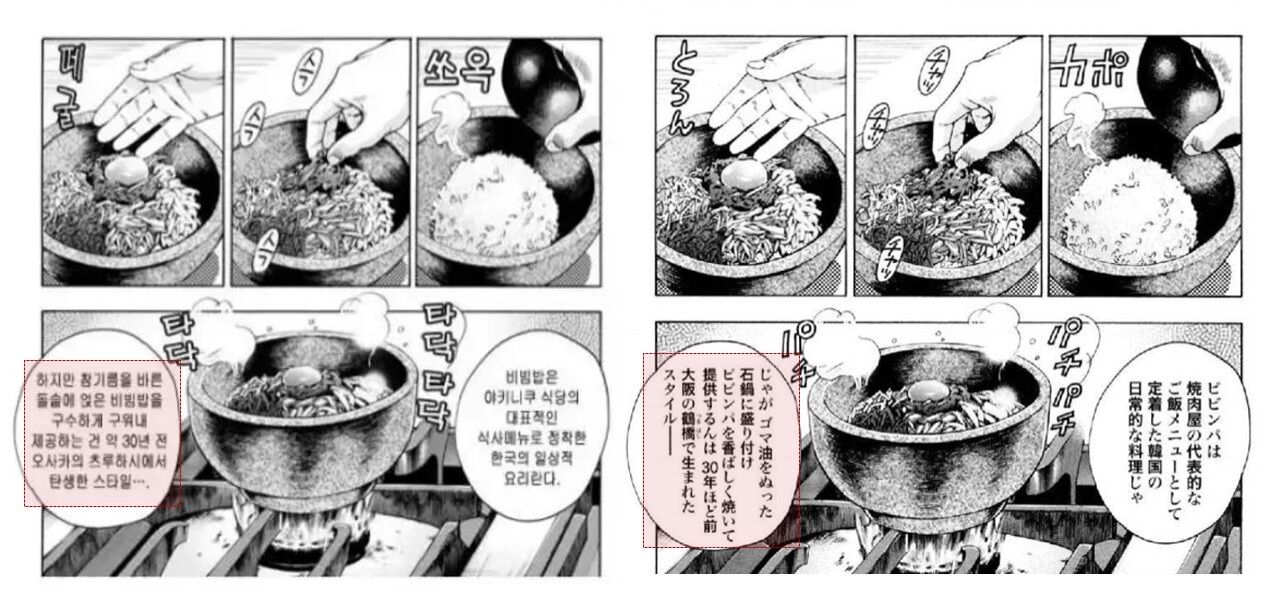
At first glance, it was true that the Japanese manga contained content claiming Japan as the origin of dolsot bibimbap.
However, this manga was published in 2007, nearly 20 years ago. The content was written two decades ago.
There were also many screenshots showing Japanese netizens agreeing with the comic's claims, so we examined whether such posts actually existed and when they were posted.
However, a large number of the posts had been deleted or the social media accounts closed, and among those remaining, the most recent example was found to have been written two years ago.
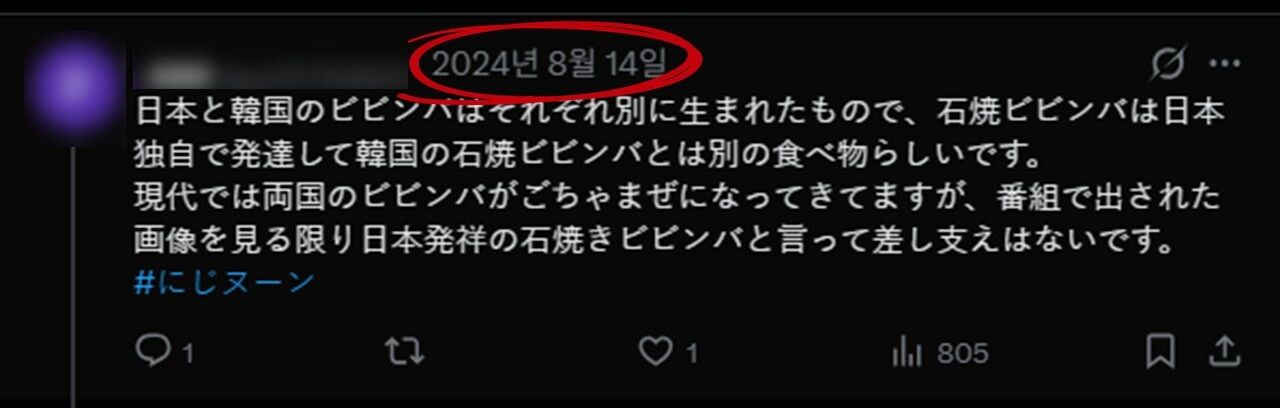
In short, content from a 20-year-old manga and netizen posts from years ago were brought back to make claims like "Japan is carrying out a 'Dolsot Project.'" No "recent new grounds or evidence" related to the current controversy could be found.
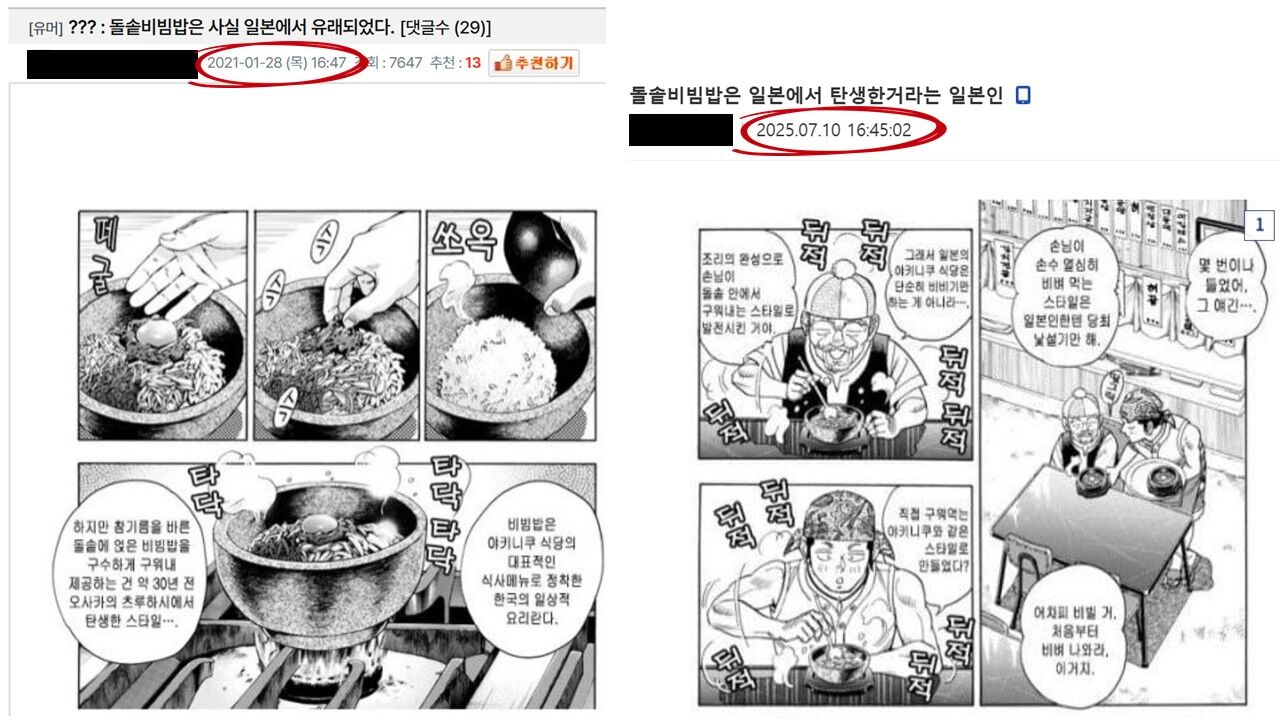
Looking into when this controversy first surfaced revealed that almost every year, the exact same pattern repeats. Five years ago, a post in a domestic online community shared the same manga and the same Japanese responses, initiating a narrative that "Japan claims to be the origin of dolsot bibimbap" and drumming up public indignation. A similar post appeared last year as well, containing content identical to what surfaced this year.
When the Fact Check team thoroughly examined Japanese social media, online communities, and news articles, we found that the claim that dolsot bibimbap originated in Japan had indeed been raised by some right-wing politicians in the early-to-mid 2010s, a period when anti-Korean sentiment was high. For example, Kaori Arimoto, a well-known right-wing politician and current secretary-general of the Conservative Party of Japan, once posted, "I heard that Ishiyaki Bibimbap was started by a famous female owner of a Zainichi BBQ restaurant." However, this was not a recent post either, having been written in November 2015. Even back then, the claim received little attention within Japan.
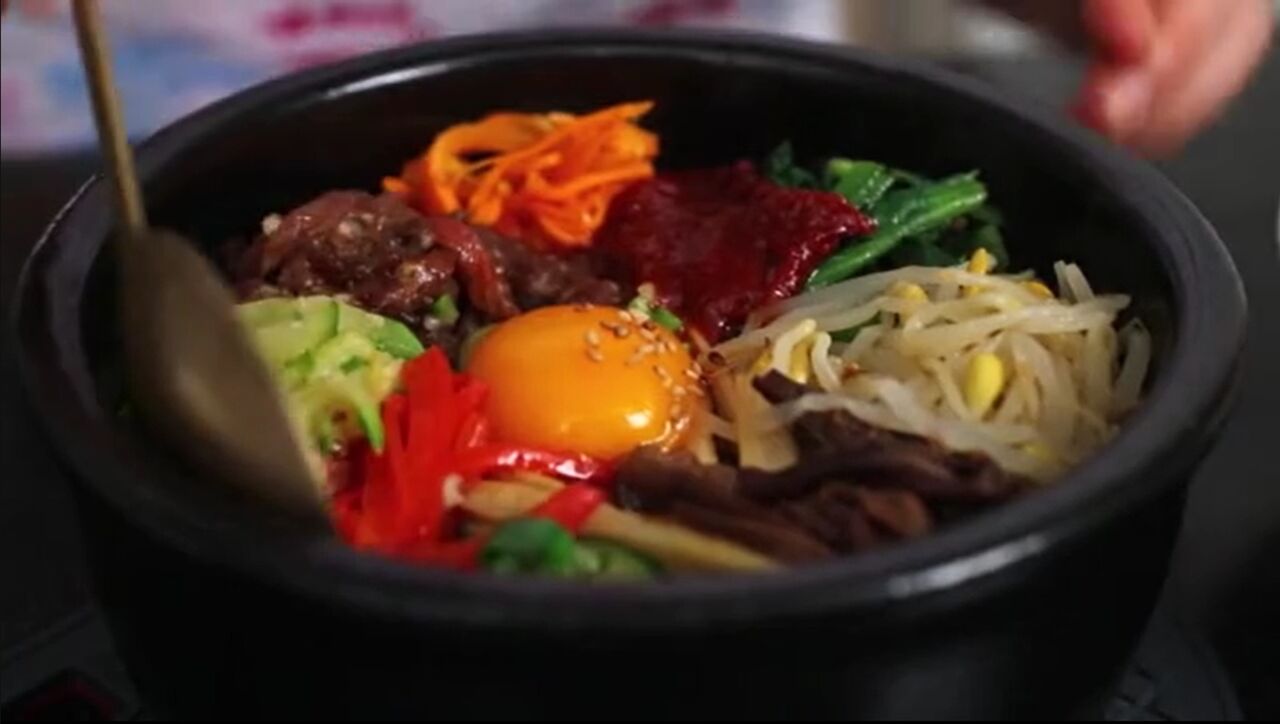
Ultimately, this follows a structure where a scene from an old manga and past social media reactions are repeatedly summoned, repositioned as if they reflect the current situation, and used to stir outrage time and again. The "dolsot bibimbap origin controversy" spreading online is not a simple dispute over food origins; it is a textbook example of a mechanism where old information is resurrected into content designed to fuel current outrage, reproducing false or exaggerated information.
Of course, refuting false claims is important, especially when it comes to historical issues between Korea and Japan that still require resolution. In Japan, there are still those who deny the comfort women issue and claim Dokdo as their territory. We must respond firmly to such historical distortions. However, fueling outrage based on unverified information can actually undermine our legitimate criticism. Only criticism grounded in facts carries persuasive power and gives strength to our rightful voice.
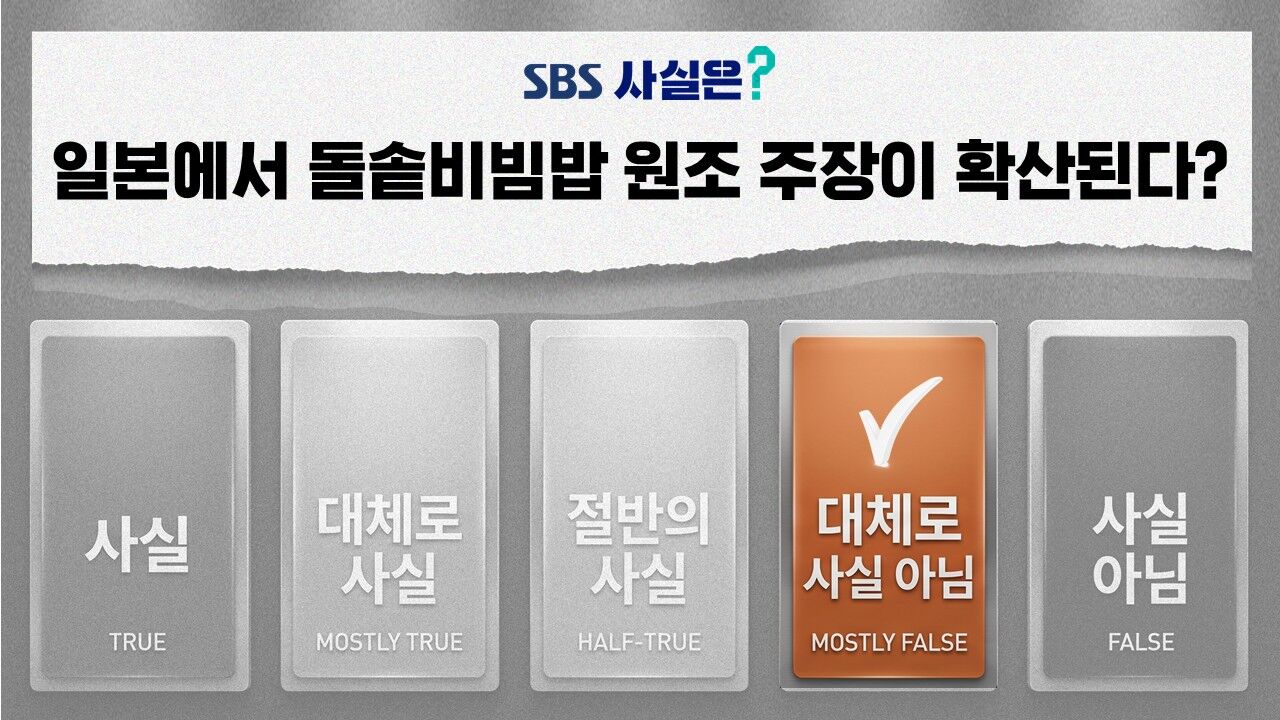
Regarding the claim that the assertion "dolsot bibimbap originated in Japan" is currently spreading within Japan, the SBS Fact Check team rates this claim as "Mostly False."
<References>
· Bobaedream post: https://m.bobaedream.co.kr/board/bbs_view/best/1006292
· YouTube Shorts: https://youtube.com/shorts/qs9iX7qRRew?si=gLCuSS1wAp0fecma
· YouTube Shorts: https://www.youtube.com/shorts/SE1pecSpdr4
· Traditional Culture Portal: https://www.kculture.or.kr/brd/board/640/L/menu/735?brdType=R&bbIdx=12069
· Original manga "The Yakiniku PEOPLE Bulgogi" (Used after purchase): https://www.cmoa.jp/title/134796/
· Japanese X user post: https://x.com/pi15760651/status/1823576017191182490?s=20
· Kaori Arimoto (Conservative Party of Japan) X: https://x.com/arimoto_kaori/status/661420972482818050?s=20
· 2025 DC Inside post: https://gall.dcinside.com/board/view/?id=dcbest&no=346376
· 2021 Etoland post: https://etoland.co.kr/b/etohumor04/article/2024088
(Writer: Kim Hyo-jin, Intern: Park Geun-ho)
※ Please note: This article was translated by AI and may contain errors.



 Video News
 Video News
 Video News