
 KOR
KOR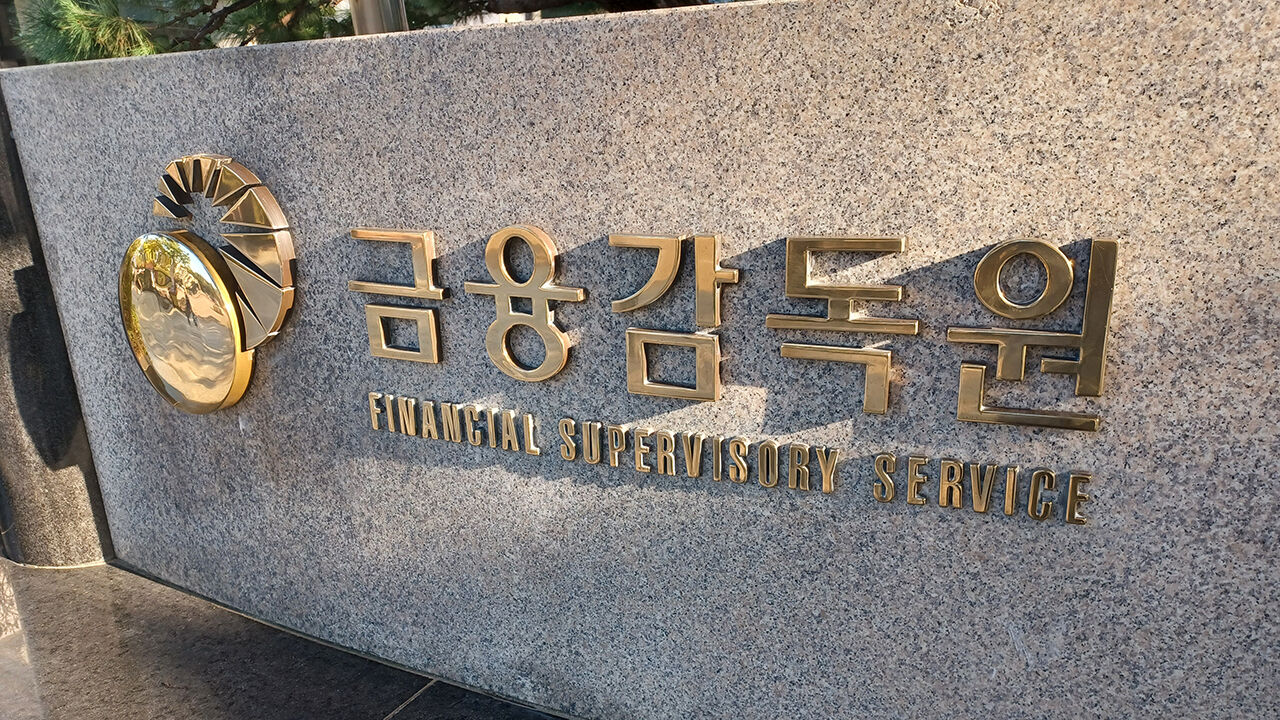
▲ Financial Supervisory Service
Over the two years since the enforcement of the Virtual Asset User Protection Act, approximately 30 cases of unfair virtual asset trading, including schemes known as 'racehorse' and 'cage' trading, have been detected by financial authorities and referred to investigative agencies.
The average illicit profit per case reached 1.4 billion won.
According to the Financial Services Commission and the Financial Supervisory Service on July 19, financial authorities have recently concluded investigations into a total of approximately 40 cases of unfair virtual asset trading. Among these, about 30 cases involving allegations of market manipulation and fraudulent trading have been referred to investigative agencies for prosecution or notification.
A total of 25 individuals are suspected in these cases, and an average of 8 virtual asset types were used per case.
The scale of illicit profits generated by the suspects was significant.
The average illicit profit per case was around 1.4 billion won. Eight cases involved illicit profits between 500 million won and 5 billion won, which are subject to criminal punishment, and one large-scale case involved profits exceeding 5 billion won.
Authorities have imposed fines ranging from 125% to 165% on one market manipulation case and one fraudulent trading case each to recover the illegal gains.
The detected cases primarily involved new schemes that exploit the characteristics of the virtual asset market.
Representative examples include the 'cage' method, which artificially manipulates the price of virtual assets whose deposits and withdrawals have been suspended on a specific exchange, and the 'racehorse' method, which involves rapidly driving up prices by accumulating large volumes of assets at a specific time.
Suspects involved in an ultra-short-term market manipulation case, which was referred to investigative agencies via a fast-track process in October 2024, are already undergoing trial.
Medium- to long-term market manipulation cases, such as those involving 'large whales' who mobilize massive amounts of capital for trading, were also uncovered.
Fraudulent trading using social media was also caught.
A group that issued meme coins, spread false positive news on social media to inflate prices, and then sold off their holdings at once to pocket hundreds of millions of won in illicit profits was referred to investigative agencies in September of last year and is currently on trial.
Financial authorities stated, "We have actively responded to cross-border virtual asset crimes through close cooperation with domestic and international exchanges," adding, "We have proactively addressed high-risk areas, such as by quickly identifying and taking action against the spread of false information on social media during the complaint handling process."
The authorities plan to raise the level of regulation in the virtual asset market to that of the capital market.
They intend to introduce measures into the Digital Asset Basic Act (the second phase of virtual asset legislation), such as a system to suspend accounts and funds to prevent the concealment of illegal profits, and a reporting and reward system for the early detection of illegal activities.
(Photo: Yonhap News)
※ Please note: This article was translated by AI and may contain errors.


 Video News
 Video News
 Video News
 Video News
 Video News