
 KOR
KOR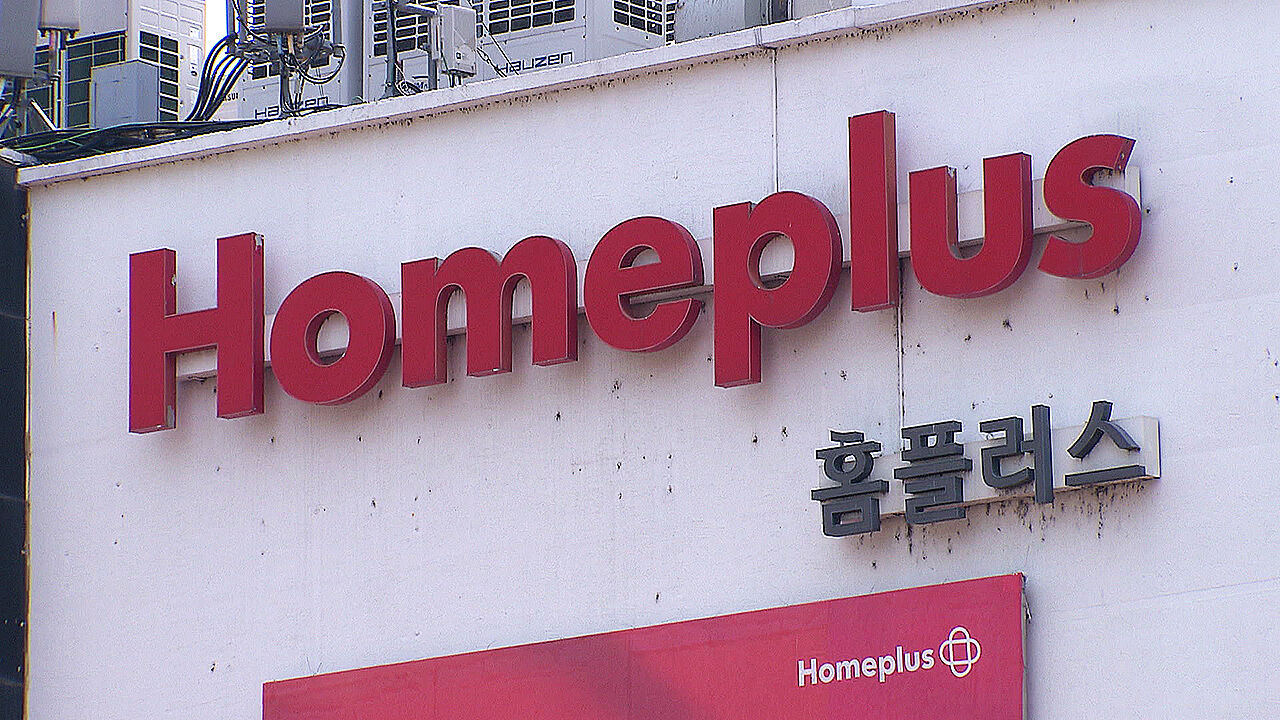
▲ Homeplus
Although Homeplus secured 120.6 billion won in cash last month through the sale of its corporate supermarket chain, Homeplus Express, the company's public interest claims remain above 1 trillion won.
A significant portion of the proceeds from the sale was used to pay off unpaid wages and public interest claims, leaving the company's financial flexibility largely unimproved.
Consequently, analysts suggest that the currently discussed 200 billion won in new financing will be insufficient to resolve the company's liquidity crisis.
Public interest claims are debts that must be repaid before general rehabilitation claims during rehabilitation proceedings. These include payments for goods from suppliers, wages, taxes, and operating expenses incurred after the commencement of rehabilitation proceedings.
According to industry sources on July 7, the volume of Homeplus's public interest claims as of the end of May, as reported to the creditors' council, stood at 1.0999 trillion won.
This marks an increase of 767.1 billion won in just 14 months compared to the 332.8 billion won recorded in March of last year, when the rehabilitation proceedings began.
Of this total, 794 billion won consists of commercial claims such as unpaid payments to suppliers, and 82 billion won consists of tax and public utility claims.
Unpaid wages amounted to 62.5 billion won, and Debtor-in-Possession (DIP) financing claims totaled 161.4 billion won.
However, since MBK Partners, which provided a joint guarantee, is expected to repay the DIP financing claims, the actual amount Homeplus is responsible for is approximately 938.5 billion won.
On June 22, Homeplus received 120.6 billion won from the sale of Homeplus Express, but the impact was limited.
As the buyer, NS Shopping, set a pledge of 45 billion won related to issues such as unpaid local taxes, the actual usable funds amounted to approximately 75.6 billion won.
Of this, 65 billion won was used for unpaid wages from April and May. However, with 25 billion won in new payroll obligations arising in June, it is estimated that public interest claims stood at approximately 1.08 trillion won as of the end of June.
Ultimately, despite the influx of 120.6 billion won in cash, public interest claims were reduced by only about 20 billion won.
MBK Partners and the creditors are currently engaged in a debate over raising 200 billion won in new funds necessary to execute the rehabilitation plan.
However, with public interest claims remaining in the 1 trillion won range even after the proceeds from the Express sale were injected, there is growing speculation that 200 billion won will not be enough to resolve the liquidity issues.
This is because, in rehabilitation proceedings, public interest claims are subject to priority repayment, making it highly likely that a significant portion of the new funds will be used to settle existing public interest debts.
※ Please note: This article was translated by AI and may contain errors.


 Video News
 Video News
 Video News
 Video News
 Video News