
 KOR
KOR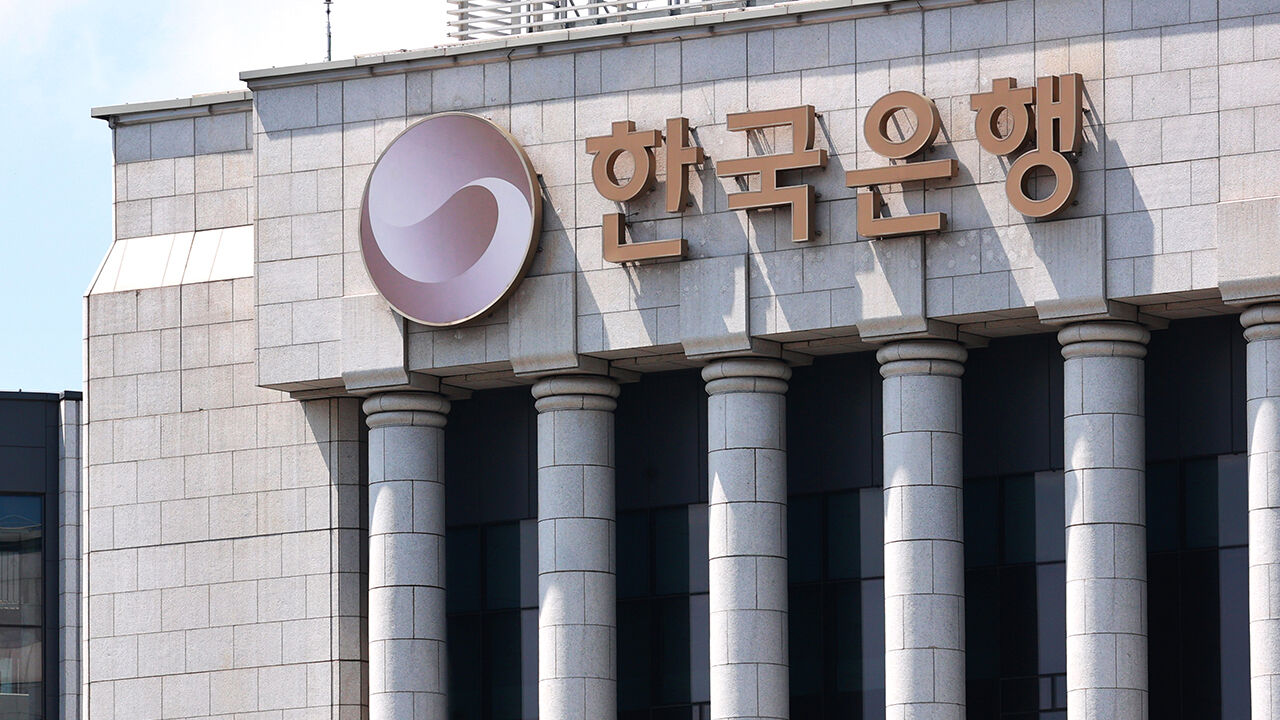
▲ Bank of Korea
The Bank of Korea (BOK) has released an analysis indicating that the role of asset management staff is shifting from performing routine tasks to interpreting and verifying AI-generated outputs and making final decisions.
The BOK's Reserve Management Group announced this in an introductory guide titled "AI Adoption and Utilization for Public Asset Management Institutions," published jointly with the World Bank Treasury on July 5.
Public asset management institutions encompass central banks, sovereign wealth funds, and public pension funds.
In the document, the BOK explained, "The application of AI in asset management is largely divided into productivity enhancement and investment strategy utilization," adding that "it is used for automating data extraction and drafting reports, as well as for market information analysis, portfolio construction, and trade execution, respectively."
While the industry has recently entered a stage of considering the adoption of integrated AI models at the enterprise level rather than by individual departments, only about 16% of institutions have established an enterprise-wide strategy.
The adoption of AI for managing central bank foreign exchange reserves was also limited to 12%, indicating that the field is still in its early stages.
The BOK emphasized the importance of "responsible AI adoption."
The point is that an institutional-level AI framework is necessary to address the risks inherent in AI.
The BOK identified three key components for an AI adoption framework: a clear vision and strong leadership participation; a strategic foundation including AI policies and standards; and the creation of a foundational environment such as infrastructure and organizational culture.
"AI adoption is now a strategic necessity, not a choice," the BOK emphasized. "Institutions must set priorities by evaluating feasibility and impact according to their specific circumstances."
"Responsible AI adoption is a journey of building institutional capabilities and governance rather than just a technical challenge," the bank added, noting that "sharing experiences among relevant institutions is crucial."
(Photo: Yonhap News)
※ Please note: This article was translated by AI and may contain errors.




 Video News

