
 KOR
KOR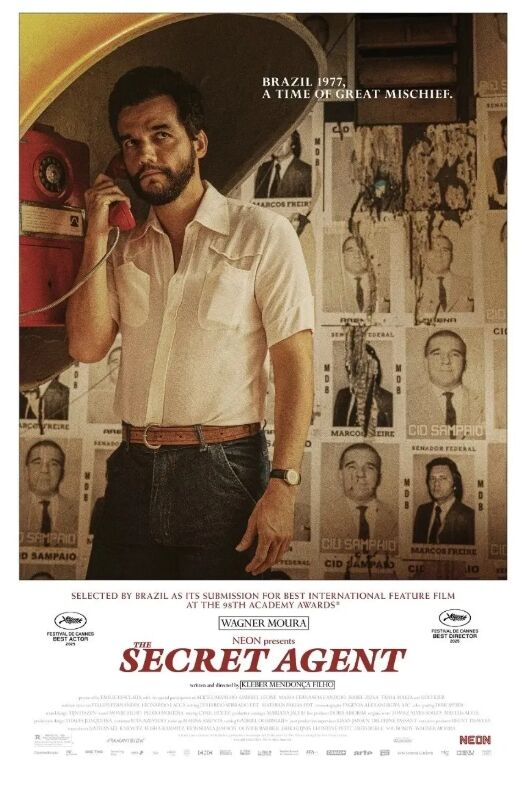
The film The Secret Agent is garnering attention as a unique piece of cinema that uses the specific setting of 1977 Recife, Brazil, to shed light on our current reality.
When discussing the films of Kleber Mendonça Filho, who has established himself as one of the most notable cineastes of our time with just five works, it is impossible to leave out his hometown of Recife, a city in northeastern Brazil.
Known as the Venice of Brazil, the port city of Recife is a place where intense sunlight and the sea coexist with old city centers and modern development. The director has consistently captured the city's noise, the texture of its streets, its stark class divisions, and the collective memories of its people through his own unique cinematic language.
Having uniquely handled reality and memory across various genres in films such as Neighboring Sounds, Aquarius, Bacurau, and Pictures of Ghosts, he once again brings Recife to the center of his new film, The Secret Agent.
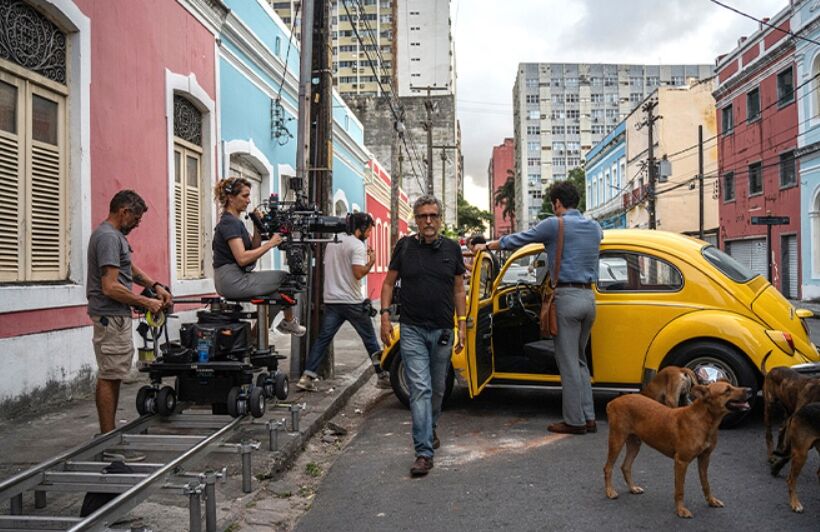
The Secret Agent is a one-of-a-kind premium thriller that depicts a man who abandons his name and returns to his hometown in 1977 Brazil, only to find himself being hunted. In the film, Recife is brought back to life as a complex space where beauty and threat, memory and anxiety coexist, vividly realized through old theaters, streets, archives, phone booths, humid air, and the heat of the crowds.
The vividness of the space created by the film takes on even clearer meaning when coupled with its 1977 setting. While 1977 was a time during Brazil's military dictatorship when the government spoke of easing controls and opening up, the logic of censorship, surveillance, and violence actually dominated society as a whole.
Director Kleber Mendonça Filho does not use this era merely as a backdrop; he focuses on capturing the invisible atmosphere and logic that drove the times. The intense heat, the gazes of the people, rumors and ghost stories, traces erased from records, and inexplicable anxiety clearly reveal the terror of the era. In particular, the film strongly displays the duality of the period by juxtaposing the shadow of state violence with the fervor of Carnival within the same frame.
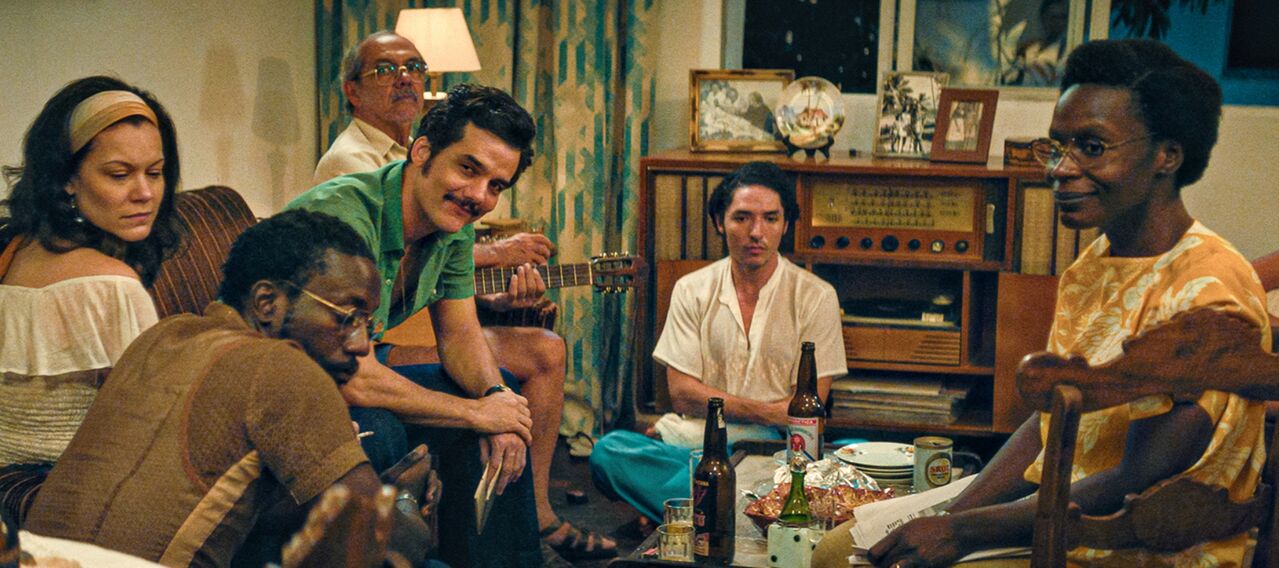
What makes The Secret Agent special is that it does not stop at restoring the past but connects that time to the present. The failure of Brazilian society to fully confront the memories of its military dictatorship—which the director described as appearing to be a nation that has chosen amnesia—and the resurgence of authoritarianism and the crisis of democracy under the Bolsonaro administration make this film more than just a period piece; it is a work that reflects the present.
Furthermore, the film is structured to move between the past and the present, leading the audience to trace old recordings, documents, photos, and testimonies alongside the characters. It allows viewers to experience the past not as something that is over, but as an event that is being reinterpreted today. Asking questions such as, How accurately can a society that fails to properly remember its past understand its present? and What kind of void does unrecorded time leave for future generations?, The Secret Agent has received rave reviews from leading international media, including It will take you to places film rarely reaches (RogerEbert.com) and An astonishing cinematic experience that brings the past into the present (Empire). Additionally, it won four awards at the 78th Cannes Film Festival, including Best Director and Best Actor. It went on to win two Golden Globes and was nominated in four categories at the Academy Awards, proving both its artistic quality and buzz.
The Secret Agent, which vividly restores the northeastern Brazilian city of Recife and the 1977 military dictatorship era while capturing contemporary significance that reflects both the past and present, will be released in theaters nationwide on July 8.
※ Please note: This article was translated by AI and may contain errors.
(SBS Entertainment News | Kim Ji-hye)