
 KOR
KOR
▲ Korea Football Association (KFA)
Criticism is mounting over the Hong Myung-bo era, with many calling the team's performance a "foreseen disaster" after South Korea received its worst results at the 2026 North and Central America World Cup, despite being placed in an optimal group.
Since the appointment of Hong Myung-bo as head coach in July 2024, controversy over fairness has persisted. The situation was further complicated by audits and disciplinary demands from the Ministry of Culture, Sports and Tourism (MCST), followed by the Korea Football Association (KFA) filing an administrative lawsuit in response. As a result, South Korean football spent its time in chaos instead of focusing entirely on World Cup preparations.
The KFA likely hoped that a strong performance in this World Cup would silence the criticism. However, with Hong's team failing to advance to the Round of 32 after a dismal record of one win and two losses to finish third in their group, the anger of football fans who had patiently waited has finally erupted.
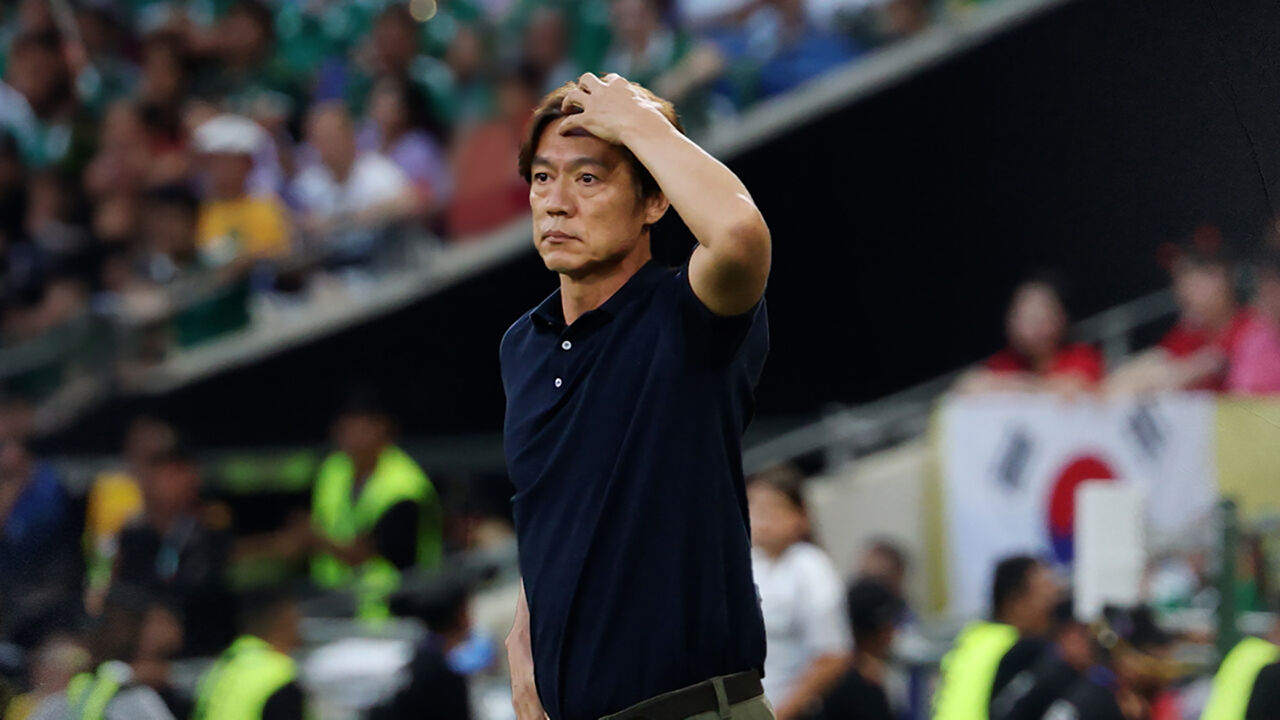
There has always been noise whenever a new national team head coach is selected.
However, following the departure of Paulo Bento, who led the team for over four years until the 2022 Qatar World Cup, the process of appointing Jurgen Klinsmann and Hong Myung-bo revealed the KFA's incompetence, mismanagement, and insularity through government audits.
According to the MCST, which audited the KFA for nearly four months following Hong's appointment, the selection of Klinsmann in February 2023 took place while the function of the National Team Committee was effectively neutralized.
The National Team Committee is the body responsible for leading and advising on the selection of the national team head coach under the KFA's articles of association.
The KFA narrowed down the list of candidates before the committee members were even appointed, and the final interviews for the two remaining candidates were conducted by KFA President Chung Mong-gyu himself, rather than the chairman of the committee.
The board of directors' approval process was also bypassed.
Klinsmann, a world-class star player, had the highest profile of any previous national team manager and had achieved success as a coach, such as leading Germany to third place in the 2006 World Cup. However, he had been away from coaching for a long time, and questions regarding his tactical capabilities followed him.
The Klinsmann era, which began this way, was eventually plagued by a lack of tactics, controversies over working remotely, and poor squad management. Facing mounting calls for his dismissal, he was fired in February 2024 after failing to reach the final of the Asian Football Confederation (AFC) Asian Cup, losing to Jordan in the semifinals, less than a year into his tenure.
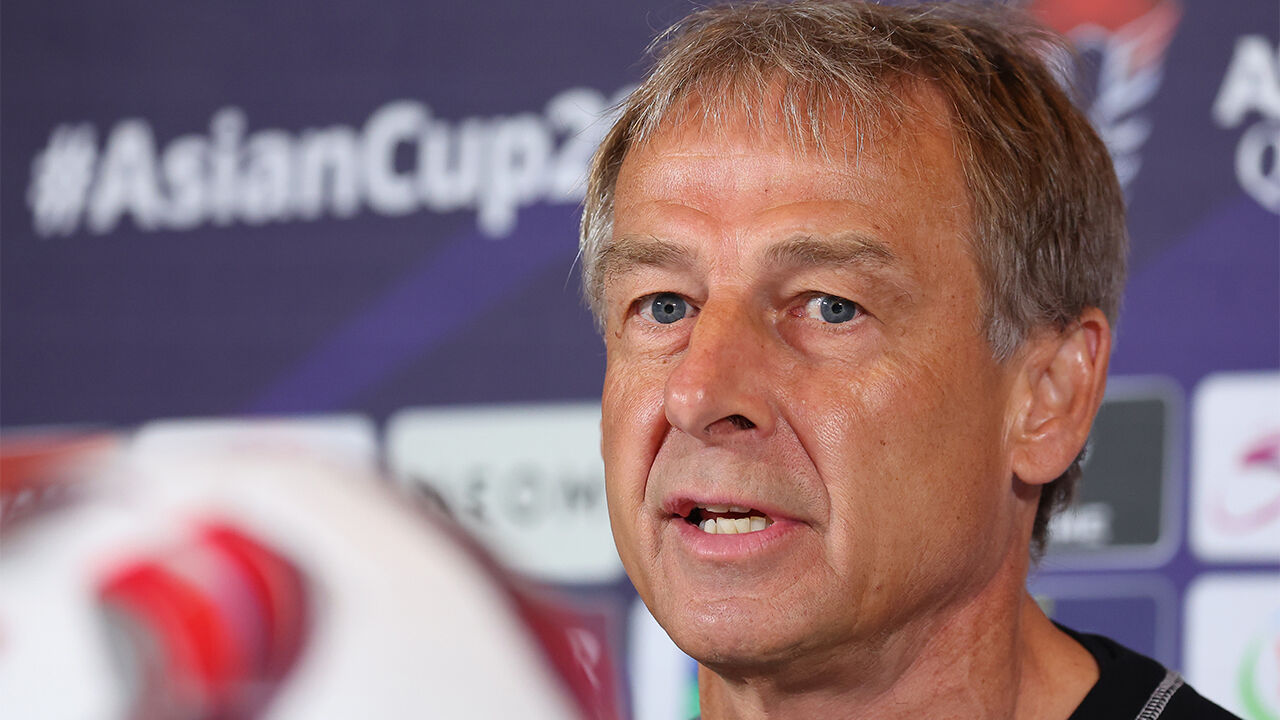
It is reported that the KFA had to pay a massive amount in remaining salary when it dismissed Klinsmann, whose contract was originally set to run through the North and Central America World Cup.
Despite such a painful failure, the KFA repeated its mistakes when appointing his successor, Hong Myung-bo.
According to the MCST, the National Team Committee under then-chairman Jung Hae-sung should have negotiated with Hong, who was their top recommendation. However, procedural legitimacy began to crumble when President Chung Mong-gyu instructed them to "meet with foreign candidates as well."
After the committee chairman suddenly resigned, Lee Im-saeng, then the technical director who lacked the authority to do so, ultimately recommended the final candidate. It was confirmed that the process was not followed correctly, including an opaque and unfair interview process.
Hong, who previously took the helm of the national team for the 2014 Brazil World Cup but resigned after a poor performance of one draw and two losses, thus became the first coach to lead the South Korean national team in two separate World Cups amid such controversy.
These are not the only faults of the KFA.
It was also revealed that the association took out loans without the approval of the MCST and filed false applications for subsidies during the construction of the Korea Football Center (Cheonan Korea Football Park).
Furthermore, in March 2023, the KFA held a board meeting at the Seoul World Cup Stadium on the day of a friendly match against Uruguay and made a surprise decision to pardon 100 former and current players, coaches, and referees who had been disciplined for various misconducts, inviting distrust from football fans.
The pardon was announced just one hour before the match against Uruguay, and after the controversy grew, the KFA completely canceled the decision three days later.
The pardon of disciplined personnel is not even provided for in the regulations of the Korean Sport & Olympic Committee, the KFA's superior organization, and the MCST determined it to be an "abuse of the power of pardon" by President Chung.
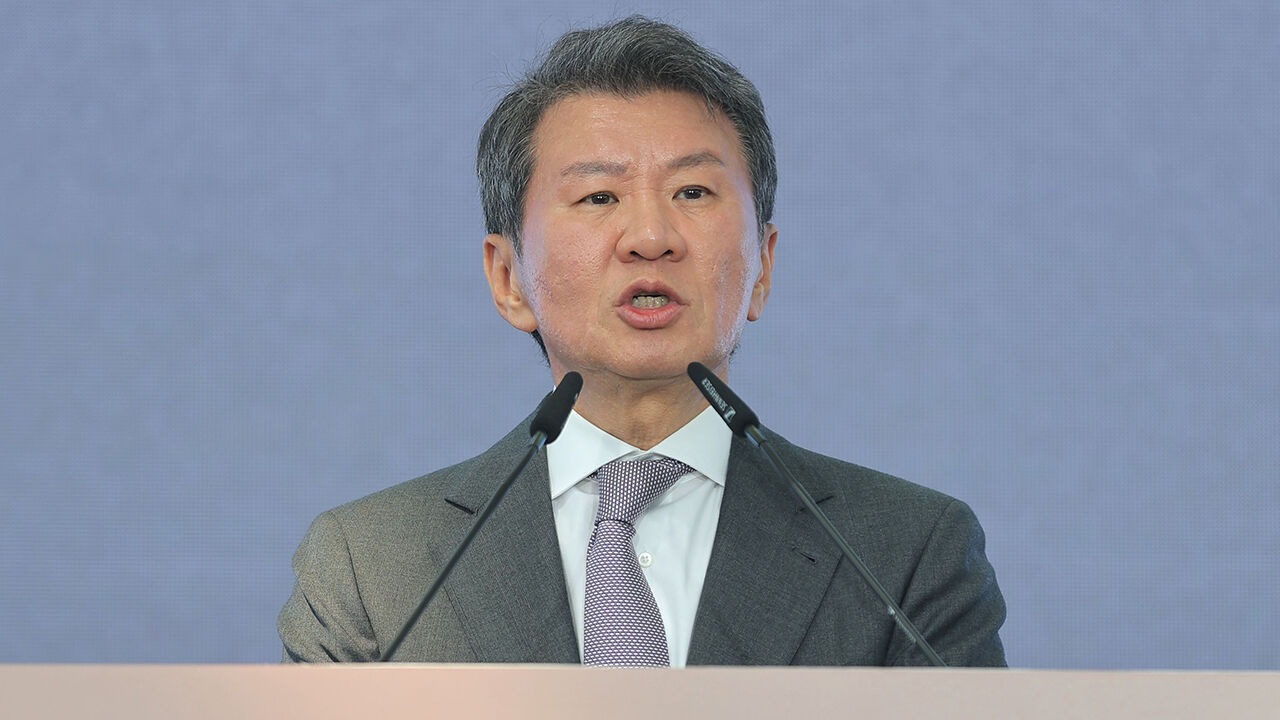
Based on these audit results, the MCST demanded heavy disciplinary action, including suspension, against President Chung and others.
The KFA refused to comply and filed an administrative lawsuit against the MCST to cancel the disciplinary demand, but the first trial in April ruled in favor of the ministry.
The KFA has since appealed the decision.
Hong Myung-bo's team had already raised concerns with inconsistent performances starting from the World Cup qualifiers.
Then, in the World Cup finals, they suffered the humiliation of losing 0-1 to South Africa, a team considered to be a tier below, leaving them in third place in their group. After anxiously watching other group matches for three days, they were forced to pack their bags in vain.
Critics point out that the KFA's repeated missteps—neutralizing even the established systems through conventional practices and betraying the trust of football fans through an insular decision-making structure—have actually set South Korean football back.
(Photo: Yonhap News)
※ Please note: This article was translated by AI and may contain errors.


 Video News

 Video News
 Video News