
 KOR
KOR
▲ Iranian negotiating delegation arriving in Switzerland
As the United States and Iran concluded their first high-level talks to implement a previous memorandum of understanding (MOU) and agreed to enter working-level negotiations, conflicting claims are emerging over key issues, including the release of frozen assets.
According to foreign media, including Iran's Tasnim News Agency and Reuters, on June 22 (local time), Mohammad Bagher Ghalibaf, the speaker of the Iranian parliament who served as Iran's chief negotiator in the talks with the U.S., claimed that the release of $12 billion (approximately 18.5 trillion won) in frozen assets was agreed upon during the previous high-level talks.
Iranian Foreign Minister Abbas Araghchi also stated on X (formerly Twitter) that "sanctions on Iranian oil and petrochemical exports have been waived, some frozen funds have been released, and Iran's reconstruction and development plans have been activated."
During the negotiations with the U.S., Iran had demanded the pre-release of $12 billion of its frozen assets immediately upon signing the MOU.
However, the U.S. drew a line, stating that the release of frozen funds is linked to Iran's implementation of nuclear abandonment and cannot be granted simply in exchange for signing the MOU.
The U.S. position is that frozen funds can be released in phases depending on the progress of negotiations toward a final agreement.
The Iranian claim is interpreted as meaning that a pre-release of some assets has already taken place.
Disagreements over how the frozen funds will be used are also coming to light.
President Donald Trump stated on the same day that the released funds would be used to purchase American agricultural products, but Iran immediately refuted this.
The governor of the Central Bank of Iran told Tasnim News Agency that under the currently agreed terms, there is no obligation to purchase American agricultural products.
He further emphasized that the frozen funds do not necessarily have to be used only for purchasing essential goods, and that other non-sanctioned items can also be purchased.
The U.S. move to restrict the use of the funds appears to be aimed at quelling domestic criticism of the MOU and appeasing farmers, a key support base, ahead of the midterm elections in November. However, with Iran's immediate pushback, the actual implementation has become uncertain.
There is also a clear divergence of opinions regarding the return of the International Atomic Energy Agency (IAEA) nuclear inspectors to Iran.
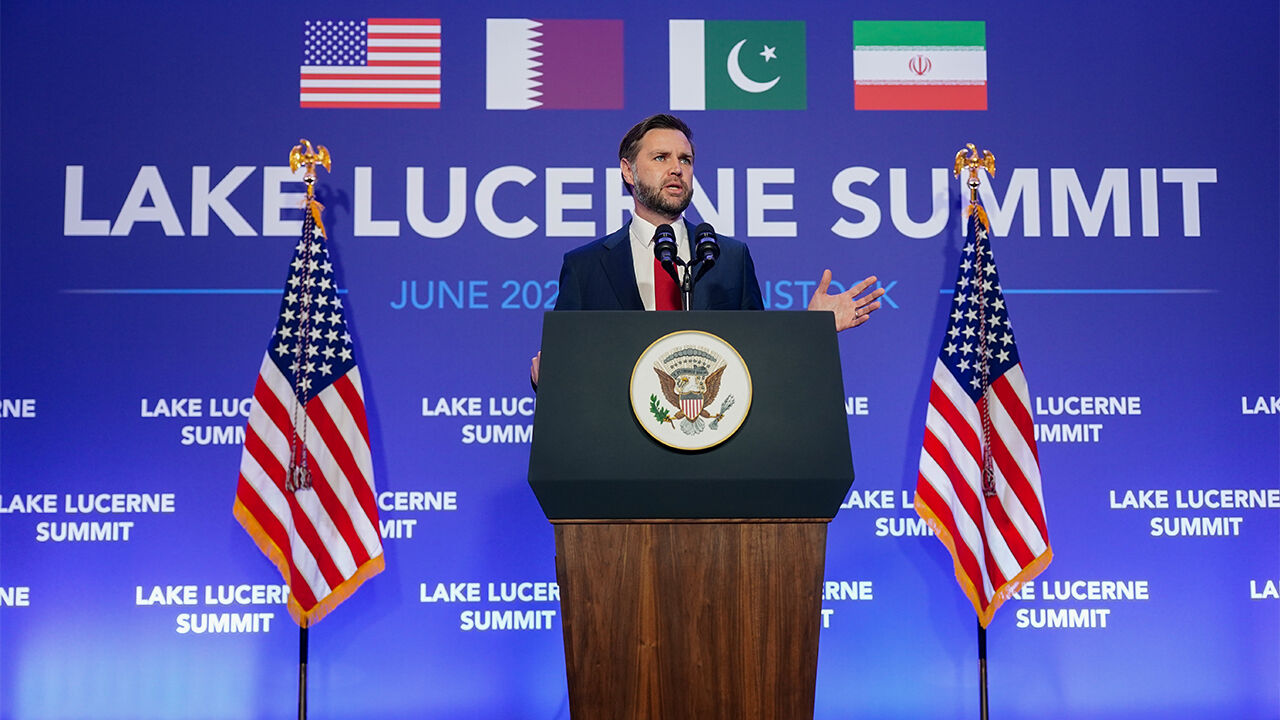
U.S. Vice President JD Vance stated during a press conference following the signing of the MOU that Iran had accepted IAEA nuclear inspections, but Iranian Foreign Ministry spokesperson Esmaeil Baghaei countered, saying, "No new commitments have been made."
Iran's state-run IRNA news agency also reported that no negotiations regarding the nuclear issue took place during the Switzerland talks, and no new obligations were accepted.
Iran had previously allowed IAEA inspections under the 2015 nuclear deal.
However, after President Trump withdrew from the nuclear deal in 2018, Iran restricted inspections, and it suspended them completely after the U.S. airstrikes on Iranian nuclear facilities in June of last year.
During the Switzerland negotiations, the U.S. and Iran also clashed over the Lebanon issue, bringing the talks to the brink of collapse at one point.
Although they managed to patch things up and agreed to enter working-level negotiations, intense psychological warfare is expected to continue as both sides present differing positions on key issues.
(Photo: AP, Yonhap News)
※ Please note: This article was translated by AI and may contain errors.

 Video News



 Video News