
 KOR
KOR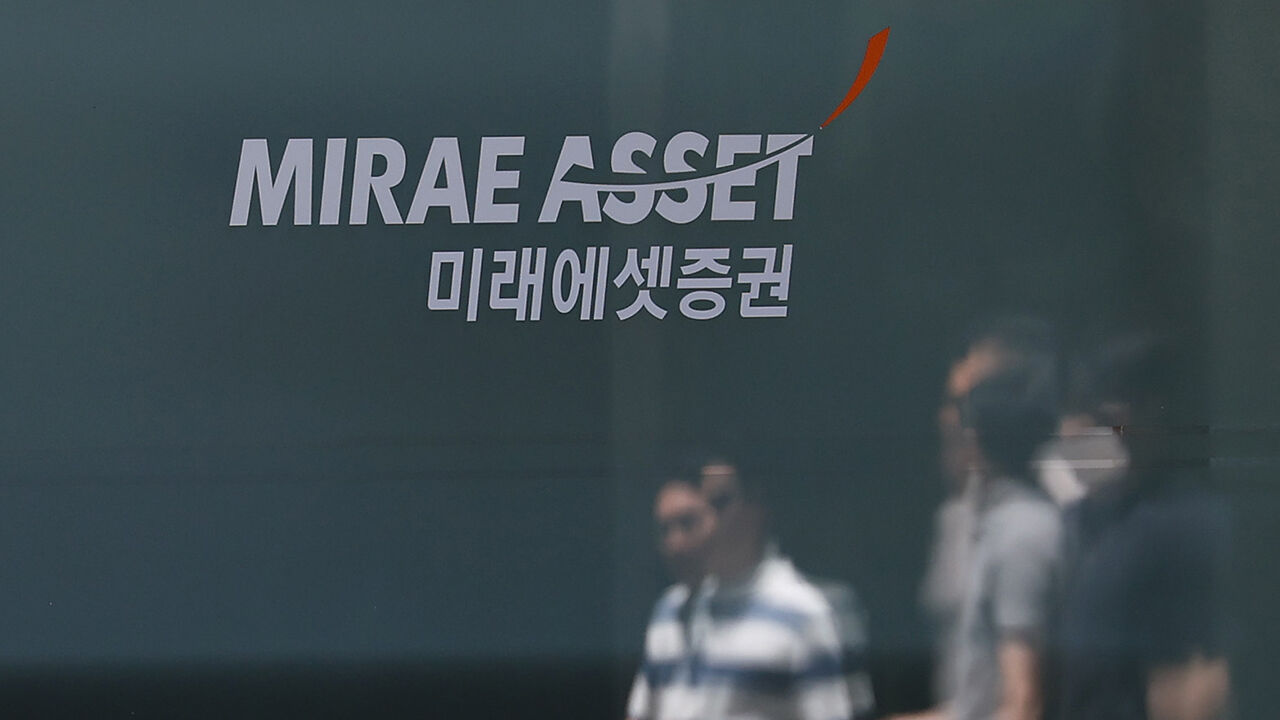
▲ A branch of Mirae Asset Securities in Seoul on June 15.
Controversy continues to mount over the sudden reduction of the "Korea tranche" to zero in the initial public offering (IPO) of SpaceX, which was the largest in history to be listed on the Nasdaq.
According to the financial investment industry on June 15, Goldman Sachs, the lead underwriter for the SpaceX listing, eliminated the entire portion allocated to Korean investors during the final allocation process conducted ahead of the listing on June 12.
Initially, the prospectus submitted to the U.S. Securities and Exchange Commission (SEC) stated that Mirae Asset Securities, which participated as part of the underwriting syndicate alongside about 20 global investment banks (IBs), would acquire 2,314,815 shares of Class A common stock.
However, Goldman Sachs stated that it needed to reallocate shares due to surging demand, primarily from institutional investors, and reduced the allocation for Korean investors just before the listing.
It was reported that the notification of this reduction was delivered unilaterally via a single email stating that the allocation was "zero."
Facing this sudden situation, Mirae Asset Securities went into emergency mode, scrambling to fully refund the subscription deposits paid by domestic individual and corporate professional investors, as well as institutional investors who had participated in the SpaceX IPO subscription.
Because notifications were sent individually, it is difficult to confirm the specific allocation levels received by other IBs in the syndicate, with few exceptions.
However, it is known that Mizuho Securities of Japan, which was initially expected to receive the same 2,314,815 shares as Mirae Asset Securities, actually received more than seven times that amount. Furthermore, Mirae Asset is reportedly the only IB among the underwriting syndicate to have its allocation reduced to zero.
In contrast to the festive atmosphere among global investors surrounding the SpaceX listing, Mirae Asset Securities now faces the prospect of an inspection by the Financial Supervisory Service (FSS).
The FSS plans to closely examine whether Mirae Asset Securities sufficiently informed investors of the risks, including the possibility of the allocation being canceled, and the potential losses for asset management firm clients who intended to incorporate the SpaceX IPO shares secured through Mirae Asset into relevant exchange-traded funds (ETFs).
Amid the controversy over whether this constitutes a de facto "Korea passing," some in the industry interpret the move as Goldman Sachs prioritizing global institutional investors with a high likelihood of long-term holding over the size of the subscription.
Barriers caused by differences in IPO systems between Korea and the U.S., such as the failed attempt to allocate SpaceX IPO shares to domestic investors, may also have been a factor.
Under the Capital Markets Act, when conducting a public offering for general investors in Korea, firms must follow procedures such as submitting a securities registration statement to financial authorities, which typically takes more than three weeks.
However, because SpaceX submitted its securities registration statement one week before the listing in accordance with U.S. regulations, Mirae Asset Securities pivoted from a public offering for general investors to a private placement for professional investors. Some suggest this shift may have provided the pretext for the "zero share allocation."
Even if the issue stems from differences in IPO regulations between the two countries, some interpret that the process itself, having been conducted without prior approval from financial authorities, may have been a weakness.
(Photo: Yonhap News)
※ Please note: This article was translated by AI and may contain errors.

 Video News
 Video News
 Video News
![[단독] '용지 부족' 난리났던 당일…선관위 황당 행적](http://img.sbs.co.kr/newimg/news/20260615/202192977_300.jpg) Video News
Video News
 Video News