
 KOR
KOR
▲ Strait of Hormuz
On June 10 (US local time), just one day before the opening of the FIFA World Cup in North America, the world's largest sporting festival, the militaries of the United States and Iran confronted each other in a "force-on-force" standoff, bringing the war with Iran to another critical turning point.
After warning of retaliation for the downing of its military helicopter in the Strait of Hormuz on June 8, the US military launched strikes against Iran for the second consecutive day, while Iran announced a complete closure of the Strait of Hormuz.
The US Central Command (CENTCOM), which oversees US forces in the Middle East, announced on X (formerly Twitter) on June 10, "At 5:15 PM today, Eastern Time (6:15 AM on June 11, KST), US forces conducted additional self-defense strikes against multiple targets inside Iran."
However, it did not disclose the specific facilities or areas targeted in the strikes.
US Secretary of Defense Pete Hegseth had previously warned earlier that day that Iran's "core facilities" would be targeted.
In connection with this, The New York Times (NYT) cited Iranian media reporting that explosions were heard on Qeshm and Kish islands near the Strait of Hormuz, as well as in the southern cities of Bandar Abbas, Minab, and Sirik.
CENTCOM explained, "These strikes are in response to Iran's unjustified and continuous provocations."
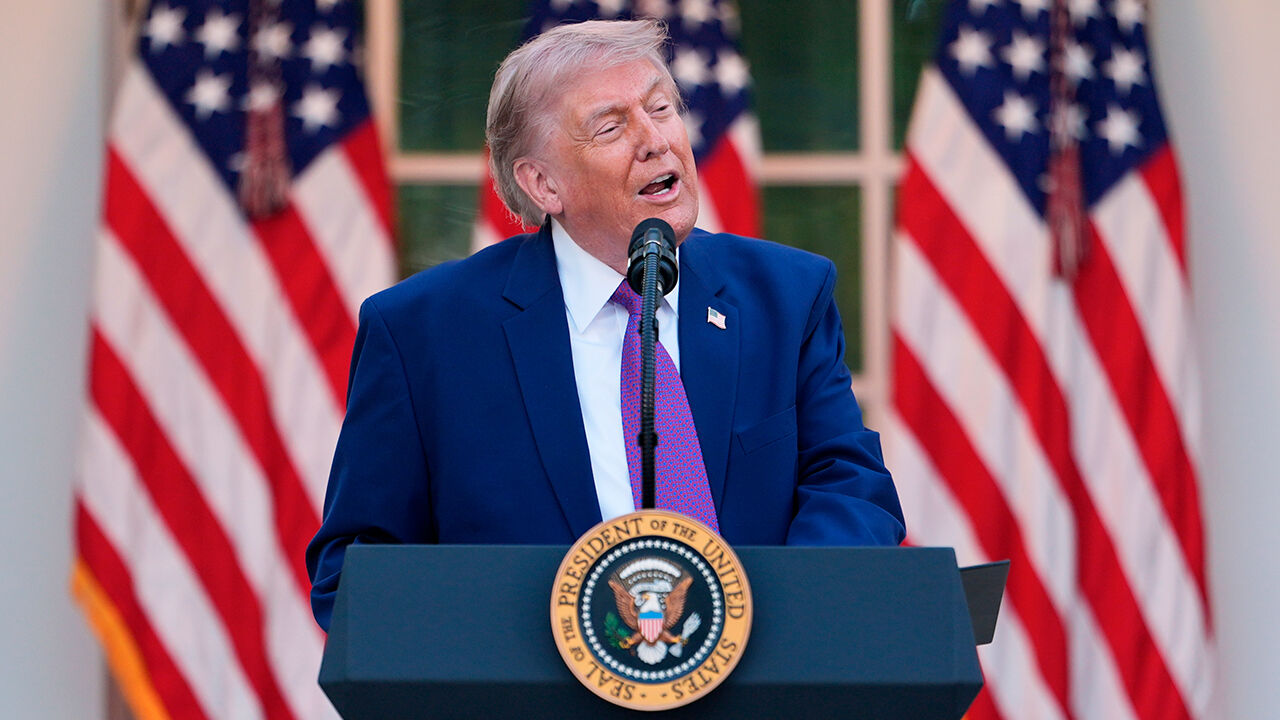
The additional strikes on June 10 were carried out about five hours after President Trump met with reporters at the White House and expressed his determination for further action, saying, "We will hit Iran even harder again today."
President Trump also expressed strong dissatisfaction with Iran's negotiating stance on June 10, saying, "We were very close to a deal, but Iran keeps dragging its feet."
Defense Secretary Pete Hegseth made it clear that the additional US airstrikes were also intended to pressure Iran into a war-ending agreement.
Meeting with reporters at MacDill Air Force Base in Tampa, Florida, on June 10, Hegseth said, "If we have to negotiate with bombs, we will negotiate with bombs," adding, "We are better at that than any other country in the world."
In response, Iran announced on June 11 (local time) that it is completely closing the Strait of Hormuz.
The Khatam al-Anbiya Central Headquarters, which commands Iran's armed forces, announced in a statement on June 11 that it is closing the Strait of Hormuz and banning the passage of all vessels, including oil tankers and commercial ships.
The Iranian military stated, "Any vessel attempting to pass through the strait will be targeted for fire."
Iranian media reported that shots were actually fired at two vessels that violated the transit ban on June 11.
While Iran has maintained its blockade and control over the Strait of Hormuz since the outbreak of the war, it had tolerated the passage of some commercial ships through the strait during recent peace talks, especially as the US military engaged in a "counter-blockade" against vessels traveling to and from Iran.
Therefore, the Iranian military's announcement on June 11 is interpreted as an intention to significantly tighten the blockade of the strait going forward.
With consecutive days of clashes between the two sides, the ceasefire is once again on the brink of collapse.
The United States and Iran, which have been holding peace talks under a ceasefire since April 7, had engaged in intermittent military clashes until recently, but both sides had maintained that the ceasefire remained in effect.
However, with the peace talks deadlocked, a US Army Apache helicopter was shot down by an Iranian drone attack on June 8, and the US launched retaliatory strikes for two consecutive days starting June 9, pushing the ceasefire to a critical juncture.
The US military stated that during the previous airstrikes on June 9, it used precision-guided munitions from Air Force and Navy fighter jets to strike Iranian air defense facilities, ground control stations, and surveillance radar sites near the Strait of Hormuz.
(Photo: AP, Yonhap News)
※ Please note: This article was translated by AI and may contain errors.

 Video News
 Video News
 Video News
 Video News
 Video News