
 KOR
⚡ Key Takeaways
The US midterm elections concluded with a landslide victory for the Democratic Party. Amid controversies over rising electricity rates and tax exemptions driven by the recent expansion of AI data centers, public opposition to data centers in the United States has reached 66%.
As Big Tech companies face immense costs and financial strain from their investments in AI infrastructure, lawmakers—led by the Democrats—are pushing regulatory legislation to place the direct burden of infrastructure costs on the companies operating data centers.
The issue of community cost burdens and the growing regulatory momentum in Washington signal that, unlike in the past, companies must now bear far greater social and economic responsibilities when expanding AI infrastructure.
The ballot boxes for the US midterm elections have opened. This crucial election will determine the remaining two years of President Trump's term. In fact, midterms in the United States are often called the "graveyard of the ruling party." Since 1934, the party holding the White House has gained House seats in only three midterm elections. That underscores how structurally unfavorable midterms are for an incumbent president and the party in power. Did history repeat itself this time as well? Let us examine the midterm results as of 3:00 PM on November 4 KST [INDEX], when polls closed in Alaska, the final voting area in the United States.

First, let us look at the House of Representatives. Prior to the election, Republicans held 219 seats and Democrats held 214 of the 435 total House seats. The Republicans held a majority above the 218-seat threshold. In this midterm election, however, the landscape shifted dramatically. NBC has projected an overwhelming Democratic victory, predicting the party could secure 255 seats, well over the majority.
Next is the Senate. Prior to the election, the 100-seat US Senate consisted of 53 Republicans, 45 Democrats, and 2 Independents. Only 35 of the 100 Senate seats were up for election this cycle. According to the ballot count so far, Republicans have secured 41 seats while Democrats have secured 53, meaning the Democratic Party has claimed the Senate majority as well.
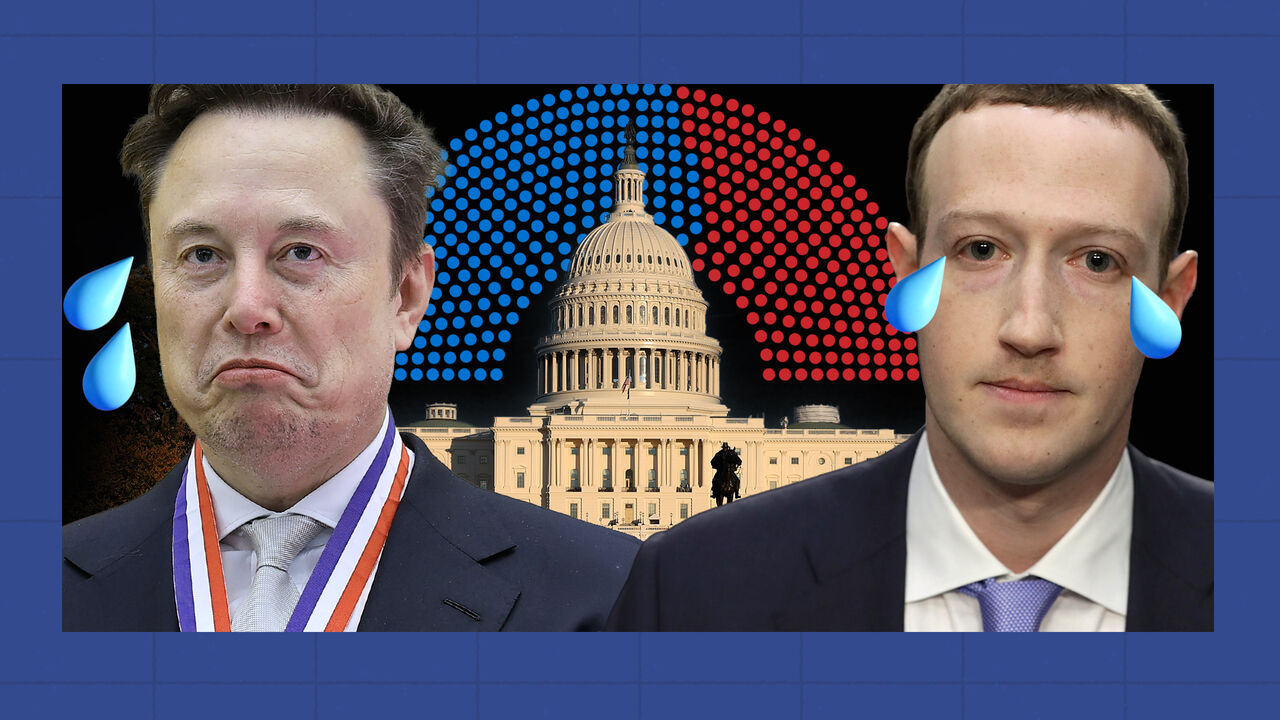
There was one individual who poured everything into this midterm election: Elon Musk. During the 2024 presidential election, Musk spent $290 million to help Donald Trump get elected. In this midterm election, however, he reportedly poured in even more—over $445 million.
There is a clear reason Musk poured in such vast sums. Companies led by Musk, such as SpaceX, are heavily dependent on US government policies and contracts. Furthermore, Democrats had already signaled plans to investigate conflict-of-interest concerns regarding federal government contracts tied to Musk's businesses. For Musk, this midterm was an indispensable battle directly linked to his companies' bottom lines. Musk established "America PAC" to support Republican and conservative politicians. Let us examine just how much money was spent through this PAC.


To defeat Talarico, Musk did not hesitate to post personal attacks and unverified claims on his social media platform. Yet despite this all-out effort, what was the outcome? James Talarico won. In fact, Talarico also enjoyed support from the Bush family, a pillar of Texas Republican political history. Neil Bush, the younger brother of former President George W. Bush, endorsed and financially backed the Democrat Talarico instead of the Republican candidate.
Musk was far from alone; Silicon Valley heavyweights poured massive political donations into this midterm election.

Silicon Valley political funds were not directed exclusively to Donald Trump and the Republican Party. For instance, in Texas, where Musk invested heavily, LinkedIn co-founder Reid Hoffman donated to Talarico. Meanwhile, OpenAI's Sam Altman contributed $17,100 to Democrats and $14,000 to Republicans.
While Musk poured vast financial resources into Republicans, other Silicon Valley giants donated to Democrats, Republicans, or both. Although they backed different parties, they shared a common awareness: policy decisions made in Washington have a direct impact on their businesses and the broader AI industry.
Yet even as they poured in massive political donations, the way Washington views Big Tech has shifted profoundly compared to the early days of Trump's second term. Lawmakers from both parties, Democrats and Republicans alike, have begun keeping their distance from Big Tech. Why? Because of AI data centers.
Has the Tide Already Turned? Growing Public Opposition to AI Data Centers
AI data centers, which tech companies are building with life-or-death urgency, are a subject frequently explored on Ograph. As often highlighted, they function like black holes devouring colossal amounts of power and water. In the five-year span between 2018 and 2023 alone, the share of total US electricity consumed by data centers surged from 1.9% to 4.4%, reflecting just how fast power consumption is climbing.


The problem does not stop at power bills. Various state governments across the US have offered massive tax incentives to attract data centers. But are these communities receiving commensurate benefits in exchange for such generous perks?
Consider data published by the state of Virginia, where data centers are heavily clustered. In fiscal year 2025, the state provided over $1.9 billion in tax exemptions to attract data centers. However, only 1,610 new jobs were created during that period. A simple calculation reveals that each new job was subsidized by more than $1.2 million in tax breaks. As such grievances have accumulated, public opposition to data centers has become overwhelming.

This opposition is far from being confined to opinion polls. Clashes over data center construction and electrical grid expansion are erupting on the ground across the United States.
A primary example is Georgia. Georgia Power announced an infrastructure expansion plan worth approximately $15 billion to accommodate data center demand. However, Georgia residents pushed back fiercely, asking why ordinary taxpayers should foot the bill for AI initiatives that enrich billionaires. In the end, an expansion plan worth at least $16 billion—more than 20 trillion Korean won—was approved. Starting this year, residents and environmental organizations have demanded a reconsideration of the expansion approval and filed lawsuits seeking to overturn it. Amid these ongoing tensions, data centers emerged as a defining battleground issue in this midterm election.

[Keisha Lance Bottoms / Democratic Candidate for Georgia Governor: "I have called for a moratorium on new data center construction. Georgia currently ranks number one in the nation for data center construction. It has to stop." ]
Following a close race, the Georgia gubernatorial election concluded with a victory for the Democratic candidate, Bottoms.
Noticing this shift in public sentiment, Donald Trump also appeared to seek a solution to the data center dilemma ahead of the midterms. On October 21, Trump wrote on Truth Social that if operators want to boost the popularity of data centers, they should pay "dividends" directly to local residents.

Big Tech's Cash Flow Outlook at Its Worst Next Year... Will Bottlenecks Worsen After the Midterms?
Big Tech companies in the AI race are pouring massive sums into data centers and related AI infrastructure. Fortunately, revenue has been rising as individual users and corporate clients rapidly adopt AI and its application across industries broadens. The problem is that capital expenditure is rising far faster than revenue.
The cash that remains after deducting the funds needed to maintain and expand the business from operating cash flow is known as "free cash flow." With free cash flow deteriorating across major Big Tech firms this year, concerns in the financial sector have steadily amplified. Projections also warn that this financial strain could reach its lowest point not this year, but next year.

Warnings about cash flow have surfaced inside AWS as well. An executive overseeing AI infrastructure reportedly told an internal meeting that free cash flow deficits could persist for the next two years.
With warning signs flashing over Big Tech's cash flow, another group faces growing concern over the financial strains of AI infrastructure investments: the "neocloud" companies that lease AI infrastructure to Big Tech. As covered in a previous Ograph episode, these companies rely on a unique financing model.


Legislative initiatives along these lines are already underway. A bill addressing data center regulation has already passed the House. The measure aims to mandate a regulatory review process to ensure that whenever additional power grid capacity must be built to support data centers, the operators themselves bear the costs.
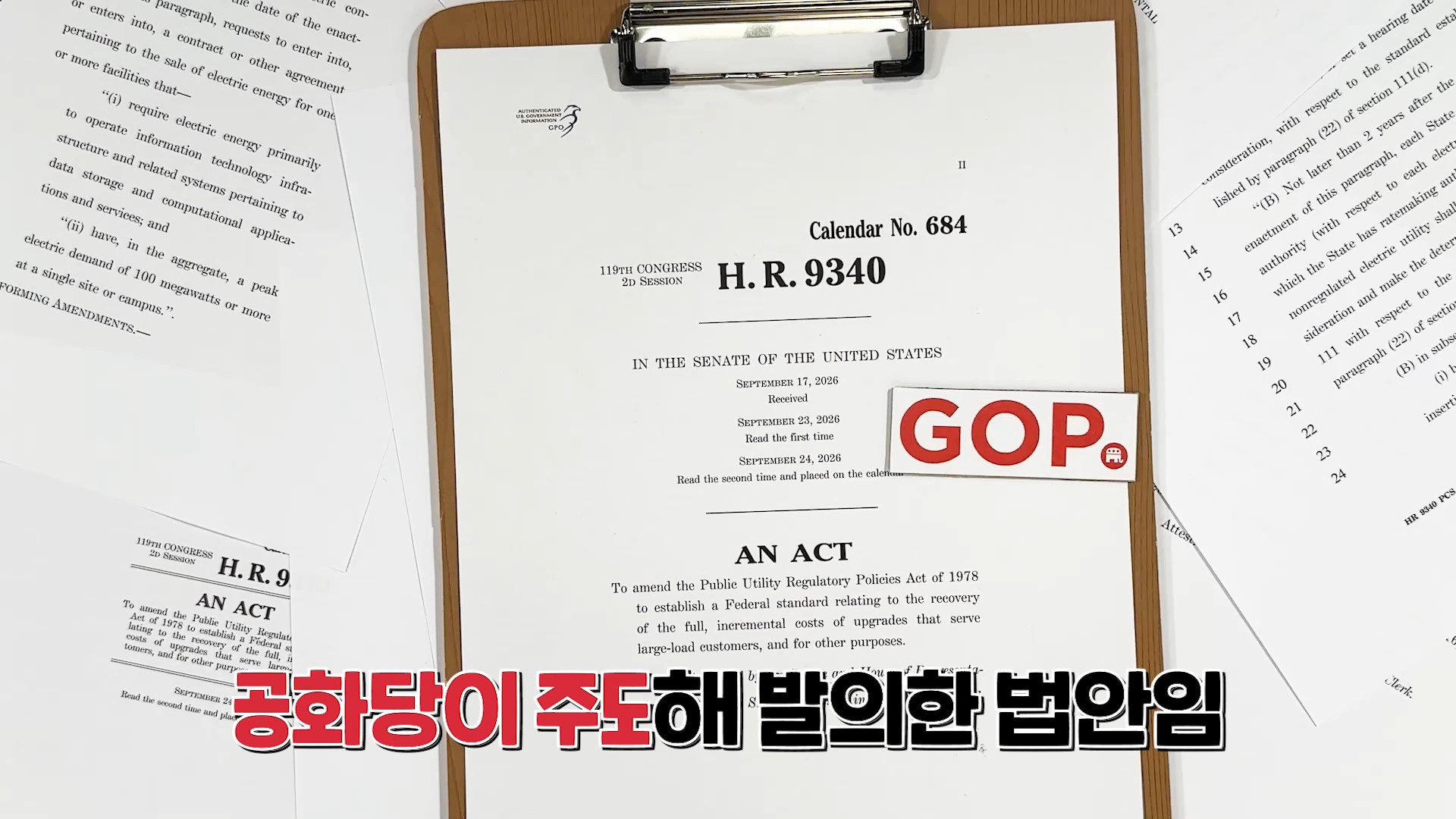
Democratic lawmakers have already introduced several bills in both the Senate and the House aimed at curbing tax incentives for data centers. If such bills become law—increasing grid infrastructure cost burdens while curtailing tax breaks—and if regulatory permitting faces further delays from local resistance, it will inevitably add substantial strain on companies already committing immense capital to AI infrastructure.
While the pace and intensity of regulation may vary depending on future political developments, companies can no longer consider only their own bottom line when expanding AI infrastructure, as was the case in the past. They must now reckon with the collateral costs borne by local communities.
When the second Trump administration began, the relationship between Silicon Valley and Washington appeared closer than ever. Yet in less than two years, the mood has completely transformed. Companies are eager to construct more data centers, but local residents are alarmed by soaring electricity bills and the financial burden placed on their communities. Politicians now find it impossible to ignore these constituent voices.
Ultimately, the future of the AI industry may not depend solely on who develops superior technology or deploys the largest investments. Who will bear these monumental costs, and to what extent? The US midterm elections may well have cemented that question as one of the defining political battles of our time.
That concludes today's edition of Ograph. Thank you sincerely for reading this in-depth piece.
References
- US Midterm Election Results and Real-time Coverage | NBC News
- US Campaign Finance Contributions and Independent Expenditures Data | Federal Election Commission (FEC)
- Biennial Data Center Retail Sales and Use Tax Exemption Report | Virginia Department of Taxation and Virginia Economic Development Partnership (VEDP)
- American Public Perceptions of AI and Data Centers | ABC News, The Washington Post, Ipsos
- Georgia PSC Commissioners Approve Agreement for New Power Infrastructure | Georgia Public Service Commission (PSC)
- Ratepayer Protection Act | US Congress
- Amazon's $220 Billion AI Bet Tests the Limits of Its Empire | Business Insider
- Johnson, J. X. et al., "Power system costs and emissions from data center and cryptocurrency mining expansion in the United States," Environmental Research Letters, 2026
Written by: An Hyemin Designed by: Ahn Jun-seok Intern: Shin Yeon-seong
※ Please note: This article was translated by AI and may contain errors.


 Video News
 Video News


 Video News