
 KOR
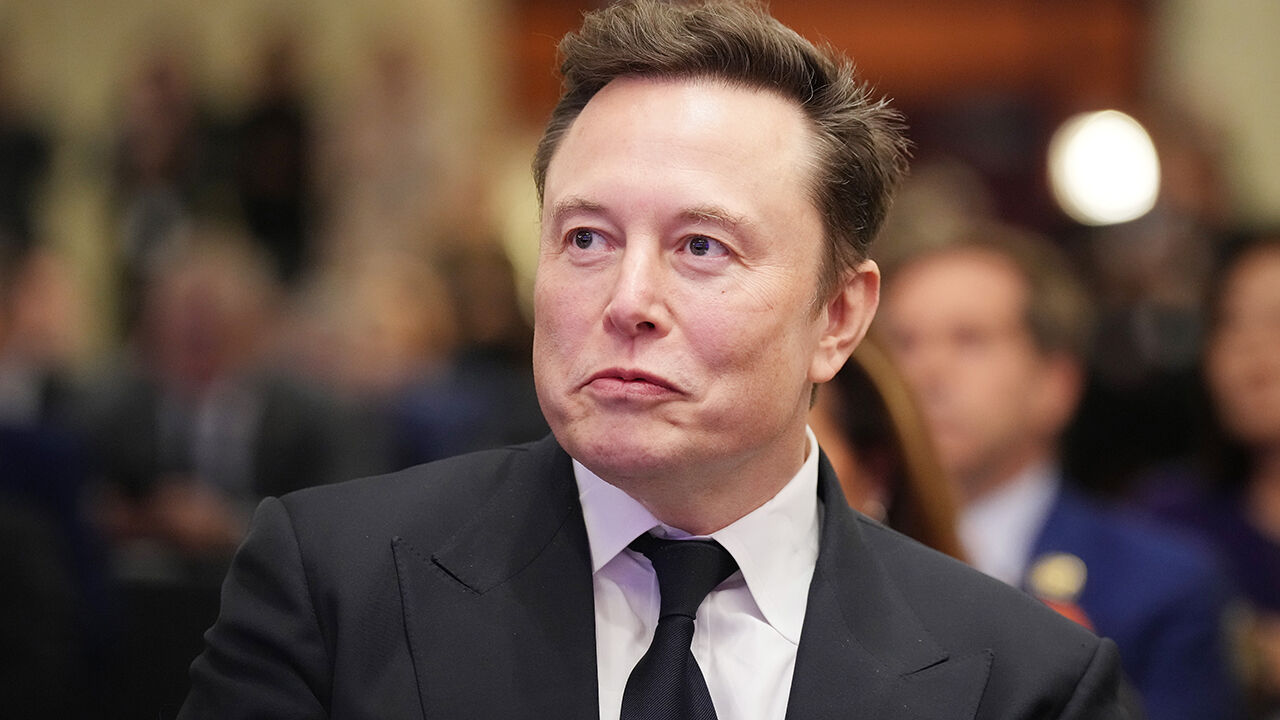
▲ Elon Musk
Billionaires in Silicon Valley poured more than $600 million into campaign contributions for Republican candidates in this U.S. midterm election, but suffered a blow as the Republicans suffered a crushing defeat, the Financial Times reported on the 4th (local time).
SpaceX CEO Elon Musk alone spent a total of over $470 million in political donations for this election.
Nearly half of Musk's donations went to support Republican candidate Ken Paxton, who ran for the U.S. Senate in Texas.
Texas is the home base of SpaceX, led by Musk, and has been classified as a Republican stronghold since no Democratic senator has been elected there since 1988.
However, as Democratic candidate James Talarico defeated Paxton and secured victory, Musk's massive donations ultimately came to naught.
Like Paxton, other Republican candidates who ran in competitive Senate races also suffered consecutive defeats in this election.
Sasha Haworth, executive director of the tech watchdog group Tech Oversight Project, assessed that although tech industry executives poured hundreds of millions of dollars, their efforts ultimately proved to be a paper tiger.
She added that the American public rejected both their corrupt influence and all candidates associated with them.
A political insider who coordinated big tech's campaign donation spending over the past several months stated that money did not work.
The insider analyzed that voter anger surrounding AI data centers, inflation, and the war in Iran led to a unilateral shift in sentiment toward the Democrats.
Aside from Musk, Silicon Valley heavyweights who made massive donations to Republican candidates in anticipation of pro-AI policies and relaxed cryptocurrency regulations were left biting the bullet.
Trump supporters Marc Andreessen and Ben Horowitz, co-founders of venture capital firm Andreessen Horowitz, spent over $90 million, while the Winklevoss twins, co-founders of the cryptocurrency exchange Gemini, spent over $5 million.
OpenAI co-founder Greg Brockman and his wife donated $25 million each to MAGA, a pro-Trump super PAC, and Leading the Future, a super PAC supporting the deregulation of artificial intelligence.
In the U.S. Senate race in the Republican stronghold of South Carolina, Republican candidate Darlene Graham received $2.5 million from the Leading the Future super PAC, but lost to Democratic candidate Annie Andrews.
Fairshake, a super PAC supporting pro-crypto politicians, spent $50 million on advertising to unseat Democratic candidate Sherrod Brown, a crypto regulation advocate running for the U.S. Senate in Ohio, but ultimately failed to prevent his victory.
Another blow to the tech industry in this midterm election was that ballot measures to halt or ban the construction of data centers passed in large numbers through referendums across the United States.
Bloomberg News reported that referendums on restricting data center construction were put to a vote in at least 45 local governments, and the measures passed or were on the verge of passing in all but one of those areas.
Meanwhile, the Financial Times pointed out that although billionaires spent massive amounts of money on this election, it accounted for only a tiny fraction of their total wealth.
(Photo: Getty Images)
※ Please note: This article was translated by AI and may contain errors.



 Video News


 Video News