KOR
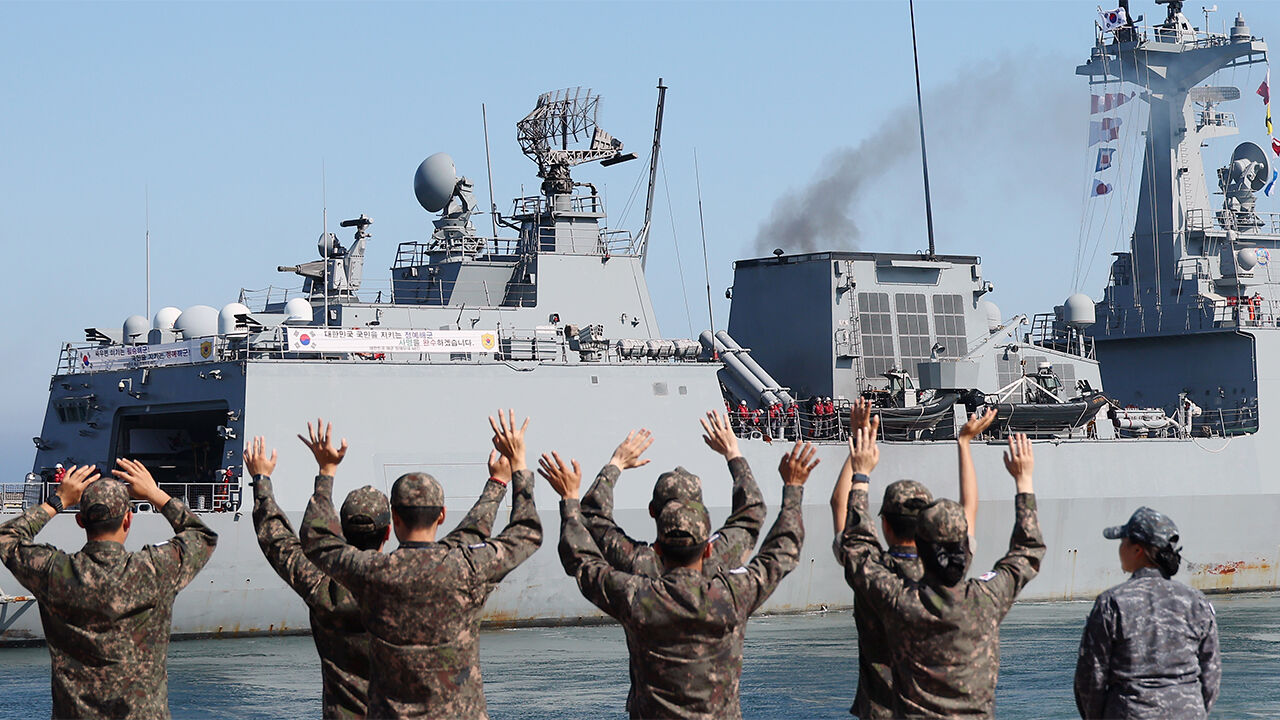
▲ The destroyer Wang Geon of the Cheonghae Unit's 48th contingent departs Busan Naval Base in May. The Wang Geon will relieve the Cheonghae Unit's 49th contingent, the destroyer Chungmugong Yi Sun-sin, which departed on November 2.
The South Korean government has finalized a revised deployment motion to expand the capabilities and operational scope of the Cheonghae Unit operating in the waters off the Gulf of Aden, Somalia.
The Ministry of National Defense finalized the "Revised Cheonghae Unit Deployment Motion," which doubles the unit's operational area compared to before and deploys additional assets, including a maritime patrol aircraft and an explosive ordnance disposal (EOD) team.
The move comes amid assessments that a security vacuum has emerged in countering piracy near Somalia as major nations have concentrated their naval forces in response to the blockade of the Strait of Hormuz and conflicts involving Middle Eastern nations around the Red Sea.
In addition to the missions specified in the existing deployment motion, "freedom of navigation in international sea lines of communication" will be added to the Cheonghae Unit's mandate, while operational command of the deployed unit will remain with the Chairman of the Joint Chiefs of Staff of the South Korean military.
The South Korean government emphasized, "We will neither intervene nor engage in the war," adding, "Any actual operational deployment would require separate parliamentary consent."
The Defense Ministry stated that through the revised motion to extend the Cheonghae Unit's deployment, it plans to add one maritime patrol aircraft, an EOD team, and unmanned mine countermeasures equipment to the existing destroyer, while increasing the deployed personnel by 75 to up to 395 troops.
The operational area will also expand from the Gulf of Aden to the waters south of Oman, increasing from about 600 miles to roughly 1,200 miles.
However, the ministry explained that due to threats such as those from Houthi rebels, the area where actual operations were feasible within the existing operational zone had been reduced to around 300 miles.
The government's push to expand the Cheonghae Unit's capabilities comes against the backdrop of an increase in piracy and the redeployment of international naval forces.
The Defense Ministry stated that Somali pirate activities surged more than threefold from 11 cases in 2025 to 36 cases so far this year. According to the government, following the war with Iran, the Strait of Hormuz was blockaded, and ongoing clashes between Houthi rebels and Saudi Arabia around the Red Sea led major powers to concentrate their naval forces near the Red Sea, creating a vacuum in anti-piracy forces in waters south of the Gulf of Aden.
The ministry added that the number of vessels passing through the Red Sea has also increased seven to eight times compared to before following the Hormuz blockade, raising the likelihood of South Korean vessels encountering pirates.
The revised deployment motion is expected to be submitted to the National Assembly plenary session following a Cabinet meeting next week, with the deployment period running from the date the revised motion passes parliament until December 31, 2027.
(Photo: Yonhap News)
※ Please note: This article was translated by AI and may contain errors.



 Video News

 Video News