
 KOR
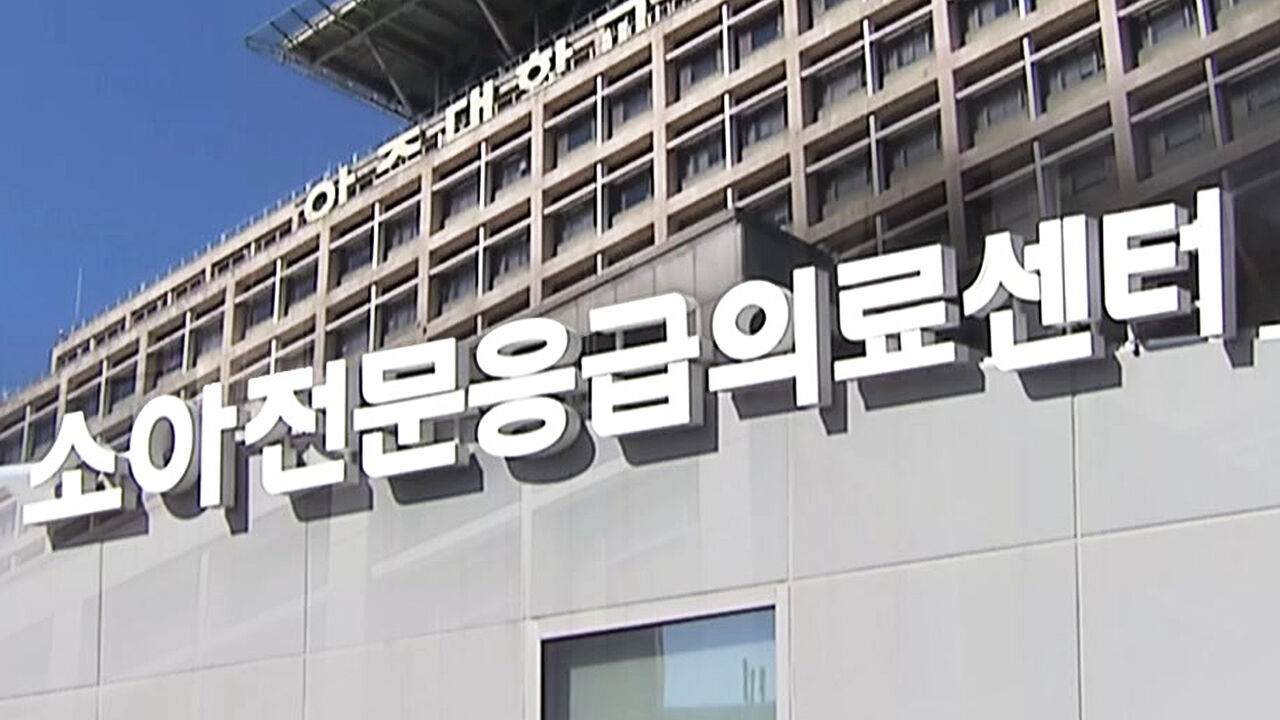
▲ Ajou University Hospital Pediatric Emergency Center
Amid continuing backlash from the medical community over the search and seizure at the Ajou University Pediatric Emergency Medical Center, the police have unveiled a draft of investigation guidelines that partially reflect the demands of the medical sector.
According to the draft police guidelines obtained by SBS through the office of Representative Lee Man-hee, Chairperson of the National Assembly's Health and Welfare Committee, when conducting searches and seizures for investigations in essential medical fields (emergency, pediatric, critical care, childbirth, and trauma) at general hospitals or larger medical institutions, authorities will prioritize executing them in non-treatment areas, and consider voluntary submission methods when searching treatment spaces is unavoidable.
Direct searches will be considered cautiously, taking into account the characteristics of the materials.
In addition, when a 112 emergency call is received from an emergency treatment space, the police plan to categorize the types into reports of unnatural deaths and interference with emergency medical services, establishing different initial response procedures for each type.
In such cases, officers will consult in advance with administrators before entering the emergency room and conduct inspections or medical staff interviews outside of emergency treatment spaces whenever possible.
However, the draft does not include alternatives demanded by the medical community during a press conference on October 30, such as the in-principle restriction of searches and seizures in essential medical settings, the incorporation of expert opinions, and the establishment of specific control devices to prevent indiscriminate warrant executions.
Originally, in late October during the parliamentary audit period, the police submitted guidelines containing measures such as prioritizing non-treatment areas to the National Assembly. However, as the situation newly progressed—including the police's apology visit to Ajou University last week, the medical community's press conference, and discussions with Minister of Health and Welfare Jeong Eun-kyeong—measures for handling 112 calls were reportedly added.
Meanwhile, Minister of Health and Welfare Jeong Eun-kyeong and Acting National Police Agency Commissioner General Kim Jong-chul met today at the Government Complex Seoul to discuss the establishment of guidelines, including searches and seizures in essential medical fields.
The Ministry of Health and Welfare and the police have reportedly agreed that "searches and seizures will be conducted only when there are suspicious circumstances or relevant connections in accordance with the Criminal Procedure Act," though specific details on who will make that judgment and how remain unknown.
Regarding these agreement results, a medical community official stated, "The guidelines only contain in-principle contents, while specific on-site situations need to be reflected," adding, "The voices of the medical field should be further reflected in the future discussion process."
National Assembly Health and Welfare Committee Chairperson Lee Man-hee also stated, "While the police's legitimate exercise of investigative power is important, the life and safety of emergency patients must take top priority," and urged, "The government must sufficiently consult with the medical community during the guideline formulation process and establish effective investigation guidelines that reflect the characteristics of the medical field."
Amid the search and seizure controversy that has largely unfolded as a standoff between the medical community and the police, the Korea Patient Organizations Federation also issued an official statement today, emphasizing that "the guidelines must guarantee both the safety of emergency patients and the truth-finding and evidence-secured rights of medical malpractice victims."
The federation argued, "Patients and bereaved families affected by medical accidents have complained that it is difficult for them to directly secure evidence necessary for uncovering the truth, and that active evidence collection by investigative authorities has been insufficient," adding, "Searches and seizures backed by lawfully issued warrants should not be restricted in principle simply because they occur in an emergency room."
※ Please note: This article was translated by AI and may contain errors.


 Video News

 Video News
 Video News
 Video News