
 KOR
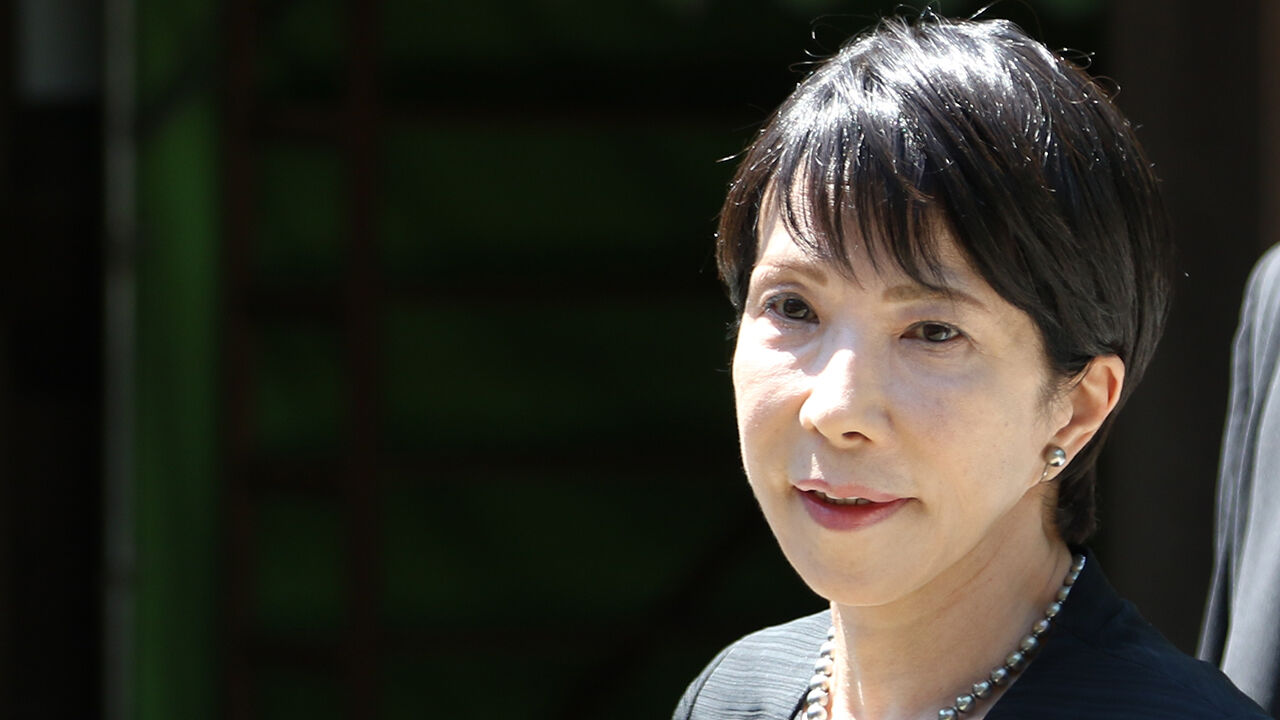
▲ Japanese Prime Minister Takaichi
As Prime Minister Sanae Takaichi's cabinet shows strong enthusiasm for constitutional revision, the number of peace constitution monuments established across Japan has surpassed 100.
Amid ambitions by the Takaichi cabinet and Japanese right-wing figures to revise the Peace Constitution (Article 9)—whose core tenet is the renunciation of war—and transform Japan into a nation capable of waging war, grassroots efforts by Japanese citizens to defend the Peace Constitution are also growing.
According to the Asahi Shimbun on the 3rd (local time), 95 "Article 9 monuments," which bear engravings of the peace constitution provisions, had been installed as of the end of last month. With six more newly erected today marking the 80th anniversary of the constitution's promulgation, the total has now exceeded 100.
Article 9 stipulates that: (1) the Japanese people forever renounce war as a sovereign right of the nation and the threat or use of force as means of settling international disputes (Paragraph 1 - Renunciation of War); (2) land, sea, and air forces, as well as other war potential, will never be maintained (Ban on Maintaining War Potential); and (3) the right of belligerency of the state will not be recognized (Ban on Belligerent Rights).
While these are core provisions of the constitution formulated after Japan's defeat in the Pacific War, attempts to revise the constitution have persisted, spearheaded by right-wing factions.
Prime Minister Takaichi accelerated the push for constitutional revision at the Liberal Democratic Party convention last April, setting February of next year as the target period to make the submission of a revision proposal visible.
As the LDP government and Japanese political circles have continuously attempted constitutional revisions, citizens have erected the Article 9 monuments carrying the message of defending the constitution in order to counter these moves.
The first Article 9 monument was built in Naha, Okinawa, in 1985, and gradually spread after another was erected in Hiroshima six years later.
After being built at a rate of one or two per year thereafter, the number surged after then-Prime Minister Fumio Kishida remarked following Russia's invasion of Ukraine in 2022 that "Ukraine may be East Asia tomorrow."
Alarmed after the Kishida administration revised three security documents at the end of that year to lay the groundwork for introducing "counterstrike capabilities" (the ability to attack enemy bases), citizens responded by setting up Article 9 monuments.
A total of 44 new Article 9 monuments have been erected from last year through this year.
Journalist Chihiro Ito, who has investigated the Article 9 monuments, explained, "The construction of Article 9 monuments has surged over the past few years. People feeling a sense of crisis [over the push for constitutional revision and military reinforcement] are continuing to build these monuments out of a belief that Article 9 must be widely publicized."
Hiroko Ikemi, a citizen who led the installation of an Article 9 monument in a residential area of Kobe last August, explained her motivation to the Asahi, saying, "After hearing stories from a relative who experienced the air raids [during the Pacific War], I thought that such a war must never happen again. As those with war experience disappear, I became terrified that pacifism itself might vanish."
(Photo: Yonhap News)
※ Please note: This article was translated by AI and may contain errors.


 Video News

 Video News
 Video News
 Video News