
 KOR
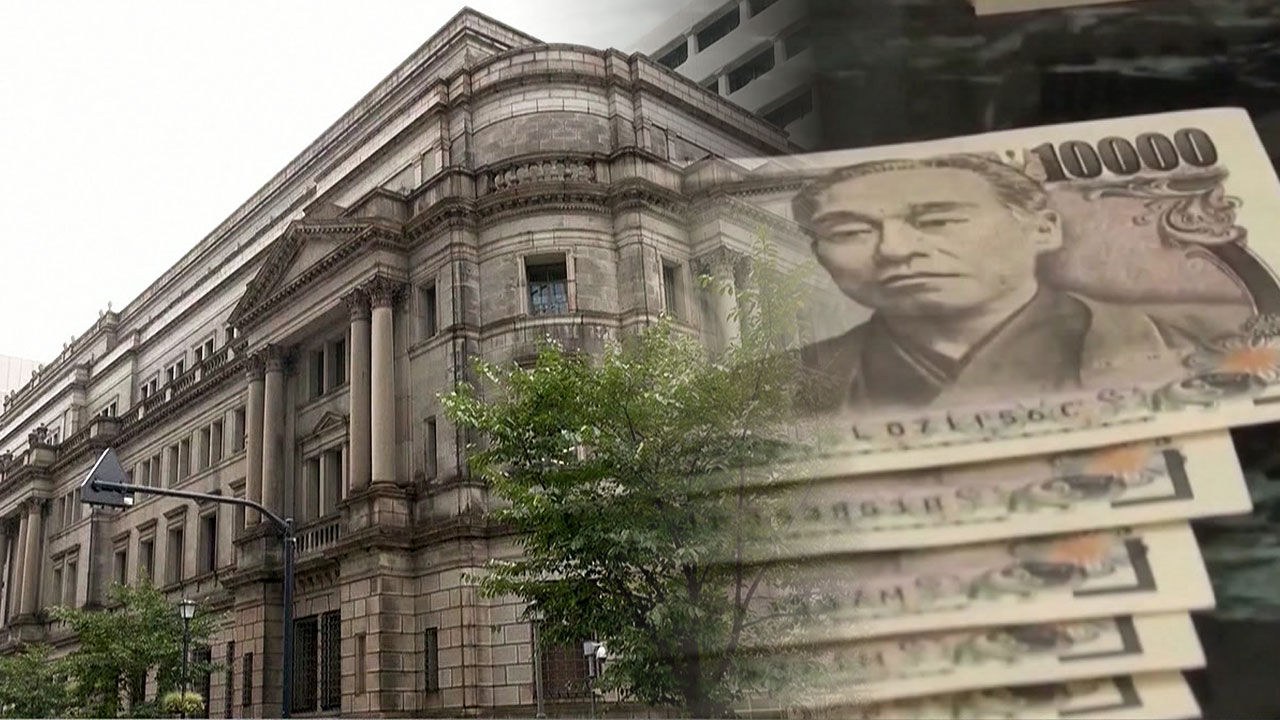
▲ Bank of Japan
Japan's central bank, the Bank of Japan (BOJ), decided to maintain its benchmark short-term policy interest rate at around 1.25% during its monetary policy meeting on October 30.
According to Kyodo News and the Nikkei, the BOJ decided to freeze the interest rate with the majority approval of its policy members at the monetary policy meeting held over two days starting the previous day.
Among the members, Board Member Hajime Takata reportedly opposed the freeze, proposing a 0.25 percentage point rate hike.
At its meeting last month, the BOJ raised the benchmark interest rate by 0.25 percentage points from around 1% to around 1.25%, driven by concerns over inflation caused by rising oil prices, a weak yen, and expanding artificial intelligence (AI)-related demand.
This marks the highest level since 1995, 31 years ago.
Previously, market expectations were dominant that the BOJ would freeze interest rates this month.
At this meeting, rather than the decision on whether to hike rates, the BOJ's assessment of inflation was the primary focus of interest.
In the Outlook for Economic Activity and Prices report released today, the BOJ officially stated that underlying inflation, excluding temporary fluctuation factors, is at a level that is "largely consistent" with its 2% target.
This is interpreted as meaning that Japan's deflation, which has persisted for over 30 years, has effectively ended, drawing attention to whether it signals a acceleration in additional rate hikes.
The BOJ introduced its 2% inflation target in January 2013.
Since then, it pursued early achievement through massive monetary easing such as purchasing government bonds, but has reached the target 13 years later.
Recently, inflation has continued to rise due to overlapping cost-push factors, such as rising crude oil prices driven by conditions in the Middle East, and demand-pull factors stemming from wage increases.
The BOJ emphasized, "Going forward, from the perspective of continuously and stably achieving the price stability target, it is important to confirm the degree to which it settles around the 2% level."
It added, "Considering that the current monetary environment is accommodative, we will continue to raise the policy interest rate and adjust the degree of monetary easing in line with economic, price, and financial conditions," expressing its policy stance to continue raising interest rates.
However, it stated that the timing and pace of rate hikes will be determined while monitoring the impact of rising crude oil prices due to Middle Eastern conditions, expanding AI-related demand, and foreign exchange fluctuations on Japan's economy and prices.
In the market, expectations are spreading that the BOJ will resume raising interest rates at its next monetary policy meeting in December.
※ Please note: This article was translated by AI and may contain errors.


 Video News


