
 KOR
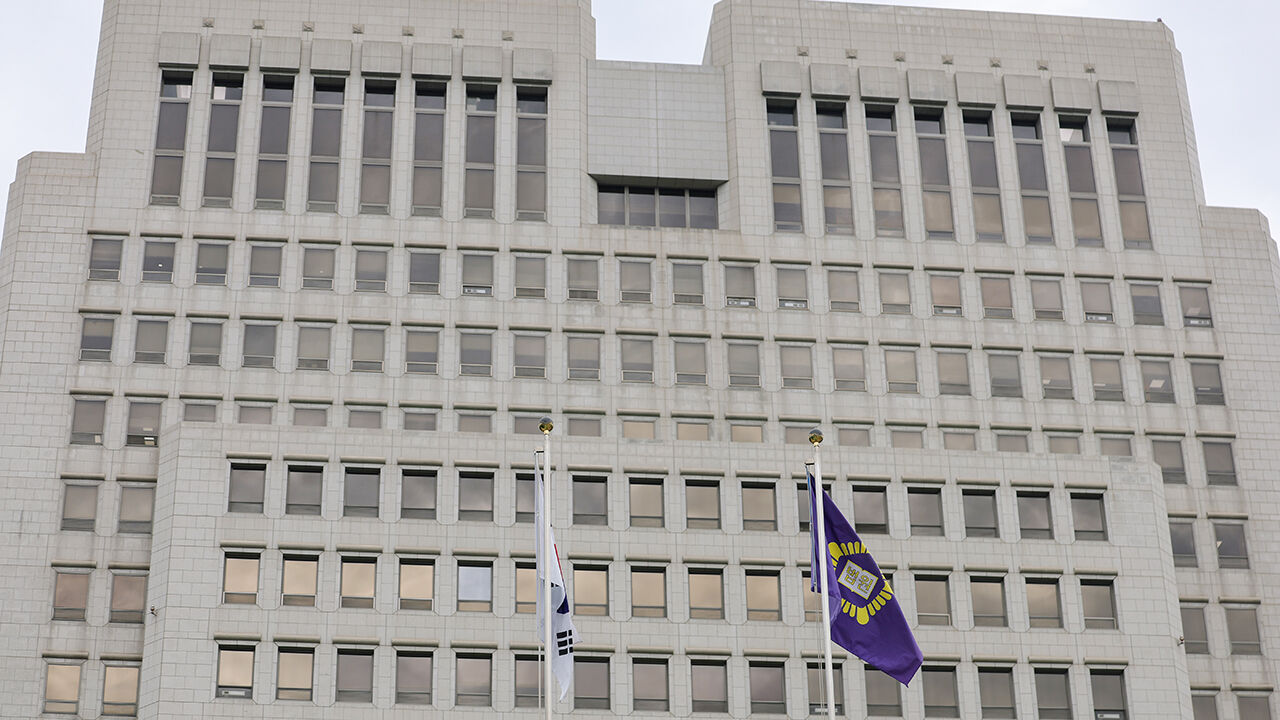
▲ Supreme Court
A 4-year prison sentence has been finalized for a father in his 60s who killed his son in his 30s during a physical struggle after the son assaulted and threatened him with a weapon.
According to legal circles on October 29, the Supreme Court's Third Division (Presiding Justice Um Sang-phil) finalized the lower court's ruling against Defendant A (64), who had been indicted on murder charges, on October 1.
According to the indictment, Defendant A, a medical professor, is accused of getting into a physical struggle with his son—who came to his home in September of last year, assaulted him, and made threats—and stabbing him to death with a broken bowl.
Investigations showed that their relationship had grown distant while A disciplined his son for delinquency during his school years, leading them to live estranged with no contact except for sending living expenses through A's wife.
After A's wife passed away last year, the son expressed anger toward A, claiming that his mother died because of his father and that his father was trying to monopolize the inheritance.
Although A avoided contact with his son, the son brandished a weapon on the day of the crime and threatened him for an hour, leading to a physical struggle during which the crime was committed.
A argued in court that he had no intent to commit murder, but the argument was not accepted.
The first trial court judged that the possibility of the victim suffering fatal injuries and dying was sufficiently foreseeable from an ordinary person's perspective, and the defendant, a current medical professor, would have known even better.
Regarding the defense argument that he thought he might die if he did not kill his son, the court stated that this was understood to concern the motive for the killing and could not be interpreted to mean there was no intent to murder.
However, taking into consideration that the defendant committed the crime impulsively and on the spur of the moment out of sudden fear while the victim was posing a threatening assault and intimidation, the first instance court sentenced him to 4 years in prison.
The court also explained as favorable sentencing factors that A appeared to have endured the victim's verbal abuse and physical violence over a long period while trying to fulfill his duties as a father, and that the defendant's daughter, who is the victim's only remaining bereaved family member, consistently expressed a desire not to see him punished.
Following the second trial, the Supreme Court found no faults in these judgments and dismissed Defendant A's appeal.
(Photo: Yonhap News)
※ Please note: This article was translated by AI and may contain errors.




 Video News
 Video News
