
 KOR
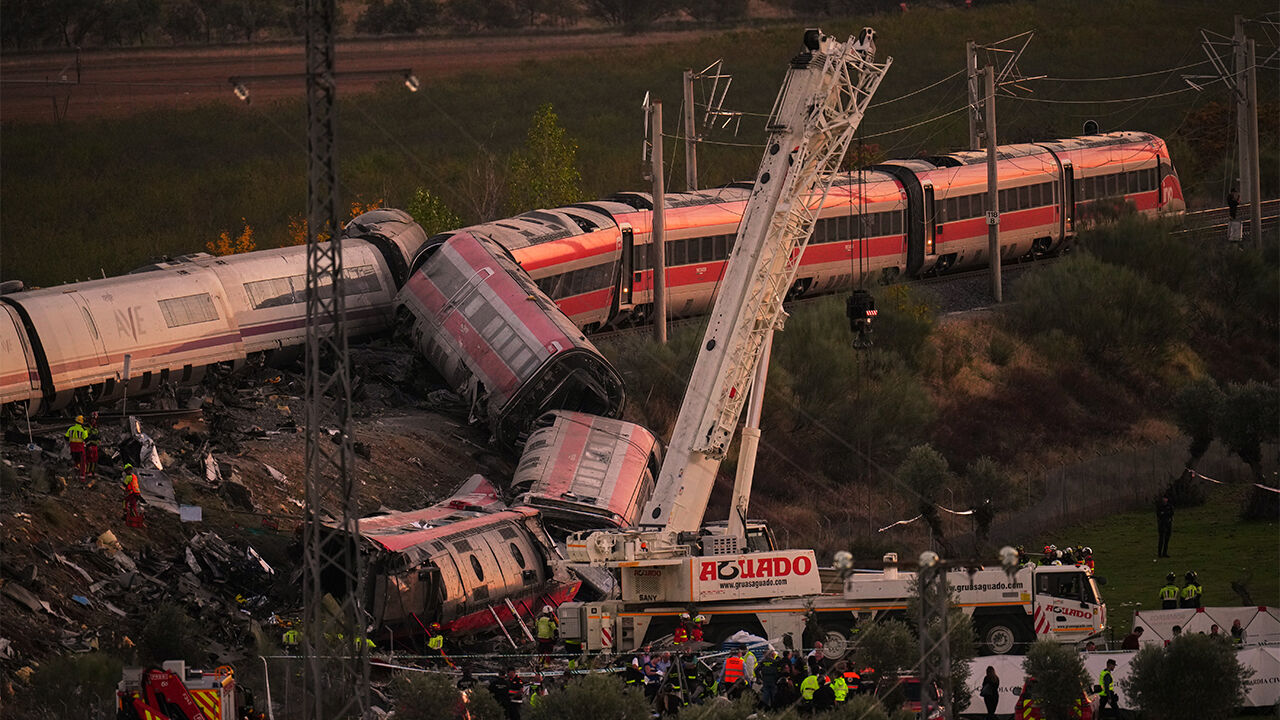
▲ Train accident site
A high-speed train collision in southern Madrid on the 28th, local time, has left a total of 68 people dead and over 100 injured so far.
Cleanup operations at the scene are still underway, and with several of the injured in critical condition, the death toll could rise.
Marking the worst casualty accident on a European railway since the 2013 Spanish train disaster, the Spanish government has declared a three-day period of national mourning.
According to foreign media reports including AFP, the accident occurred just before 9 a.m. near Urda in the province of Toledo, south of Madrid.
On the outbound high-speed rail line connecting the Spanish capital and southern Andalusia, a state-owned Renfe AVE train rear-ended a private Iryo train. The impact caused several passenger cars to derail and plunge down an embankment.
A total of approximately 540 people were on board the two trains.
According to the autonomous community of Castilla-La Mancha, the confirmed death toll stands at 68, with more than 100 injured.
Among the injured, 58 have been transported to hospitals, with 15 of them in critical condition.
According to the South Korean Embassy in Spain, 10 South Korean nationals were also on board the two trains, two of whom sustained injuries and received hospital treatment.
Spanish transportation authorities stated that the accident occurred while train operations were suspended across a 69-kilometer section including the accident site due to a technical glitch in the automatic control system.
The Renfe train resumed operations before the malfunctioning system was restored, traveling 25 kilometers before crashing into the stationary private train.
The speed of the Renfe train at the time is estimated to have reached 200 kilometers per hour.
Minister of Transport Oscar Puente pointed out to reporters that the decision to resume Renfe train operations was "up to the control center" and stated that he could not understand why such a decision was made.
Earlier, Renfe also stated in a release that "the Renfe train continued operating according to instructions, resulting in the collision."
Authorities plan to investigate the exact cause of the accident.
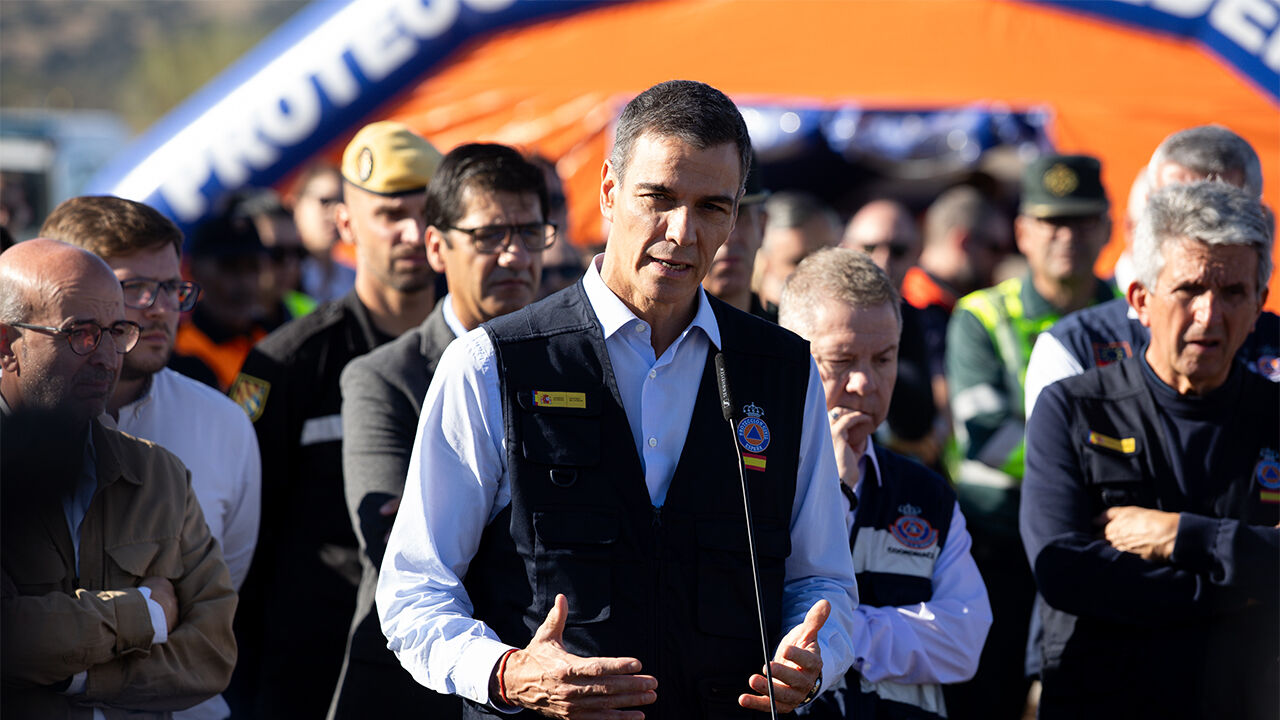
Visiting the accident site, Prime Minister Pedro Sanchez said, "Today all of Spain is plunged into sorrow," and declared a three-day period of national mourning starting from the 29th.
Promising a thorough investigation into the cause of the accident, Prime Minister Sanchez stated that it was "unacceptable" for two major train disasters to have occurred in just this year alone.
Previously in January, another collision between two high-speed trains near Adamuz in the province of Andalusia killed 46 people and injured over 150.
Spain boasts the largest high-speed rail network in Europe, spanning over 3,900 kilometers in total length.
However, frequent disasters resulting in massive casualties have raised serious questions about Spanish railway safety.
In 2013, a high-speed train accident near the northwestern city of Santiago de Compostela killed 80 people and injured 145.
In terms of the death toll, today's accident is the worst train disaster in Europe since that time.
This is a major blow to Prime Minister Sanchez, who faces early general elections on November 29.
The Spanish Socialist Workers' Party (PSOE), to which Prime Minister Sanchez belongs, is currently trailing the main opposition conservative People's Party (PP) in most opinion polls, placing him at risk of losing the premiership.
The approval rating for the far-right party Vox is also on an upward trajectory.
While major Spanish parties excluding Vox suspended campaigning in observance of the national mourning period, the opposition continued its offensive against the Socialist government over issues concerning the management of national infrastructure such as railways.
The People's Party, eyeing power, posted a message on X reading "Enough is enough."
Alberto Nunez Feijoo, leader of the party, urged the government to provide explanations and accountable responses, stating, "The Spanish people have the right to know what is happening to our country's infrastructure."
Santiago Abascal, leader of Vox, launched a scathing attack on the Sanchez government, calling it a "criminal organization," and stated, "We will continue our work exposing the deterioration of public infrastructure and services."
(Photo: AP, Yonhap News, Getty Images)
※ Please note: This article was translated by AI and may contain errors.




 Video News
 Video News
 Video News