
 KOR
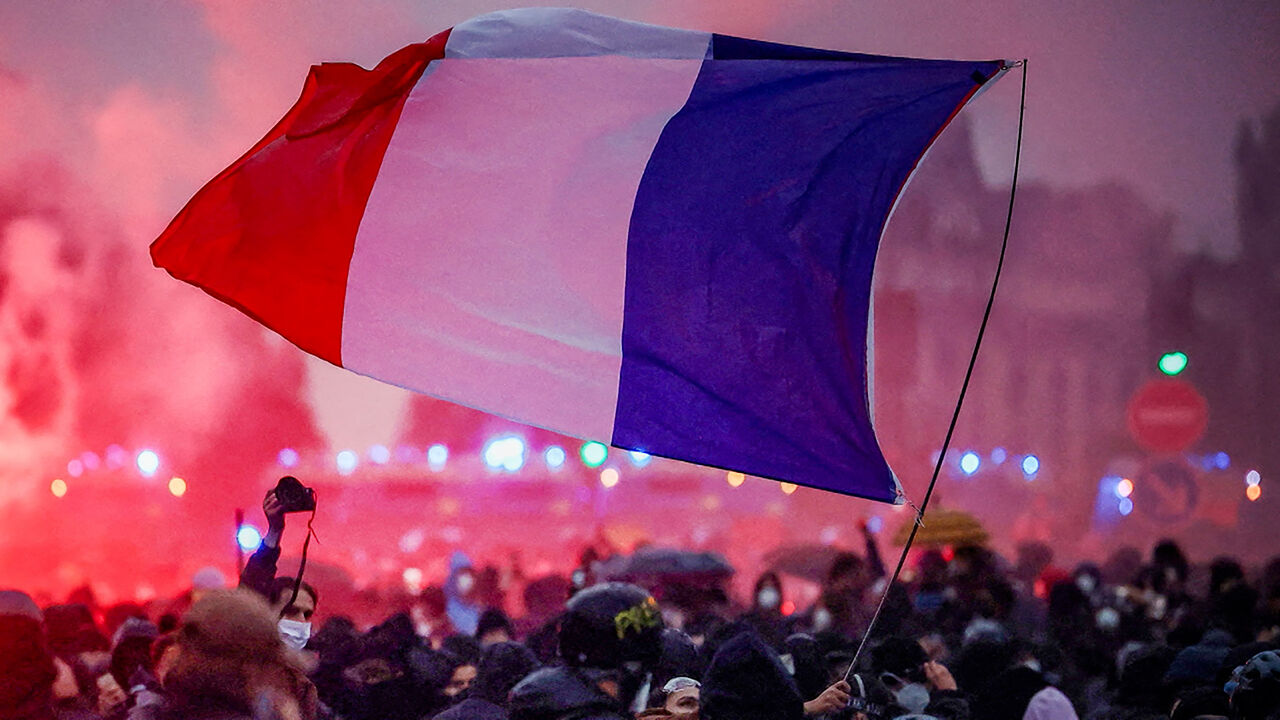
▲ French Protests
The French government reportedly pushed to block social media and mobile internet access in an effort to prevent large-scale protests over the past weekend.
French President Emmanuel Macron previously blamed social media for nationwide protests that escalated into civil unrest, stating that "social media damages our democracy."
Politico Europe reported on October 27, citing officials from the Prime Minister's Office and telecommunications companies, that the French Interior Ministry contacted telecom providers ahead of the protests on October 24 (local time) to block social media and even mobile internet access in specific areas.
Prime Minister Sebastien Lecornu sent a letter asking TikTok, Instagram, Snapchat, and X (formerly Twitter) to prepare for access restrictions.
An official from the Prime Minister's Office stated that the government also considered a secondary option: forcibly disabling location-sharing features to prevent strangers from gathering.
An anonymous telecom industry insider said, "Above all, they wanted to cut off communication channels that allow groups to gather and organize."
However, Politico noted that restricting social media access only in specific areas is technologically unfeasible, and shutting down mobile internet could cause severe disruptions to payments, security monitoring systems, and emergency communications.
Telecom companies reportedly expressed reluctance, raising legal concerns alongside technical issues such as the possibility of bypassing restrictions using virtual private networks (VPNs).
The French government previously blocked access to TikTok in 2024 when independence protests turned into riots in New Caledonia, its overseas territory in the South Pacific.
That measure was ruled illegal the following year by the Council of State, France's highest administrative court.
As large-scale protests continue, the French Parliament is discussing a bill that would obligate social media platforms to remove content inciting public disorder—such as assaults, theft, and vandalism—within 24 hours, and content inciting riots within one hour.
Various ideas are emerging to quell large-scale protests and unrest, including tracking riot instigators through algorithm-based surveillance video and sanctioning online trading platforms that fail to prevent the trade of looted goods.
In France, protests initially started by high school students last month demanding improvements to the educational environment have snowballed into massive nationwide demonstrations condemning broader social issues such as high inflation.
On October 24, approximately 400,000 people participated nationwide, but unlike the week before, large-scale violence and looting did not occur due to the government's tough response, which involved deploying 70,000 police officers and banning certain protests.
Large-scale demonstrations are expected to continue for the time being, as the "Yellow Vests" movement, which led the protests on October 17, has called for a sit-in named "Act III" on October 31, and the General Confederation of Labour (CGT) has announced a general strike for November 5.
※ Please note: This article was translated by AI and may contain errors.


 Video News
 Video News
 Video News
 Video News
 Video News