
 KOR
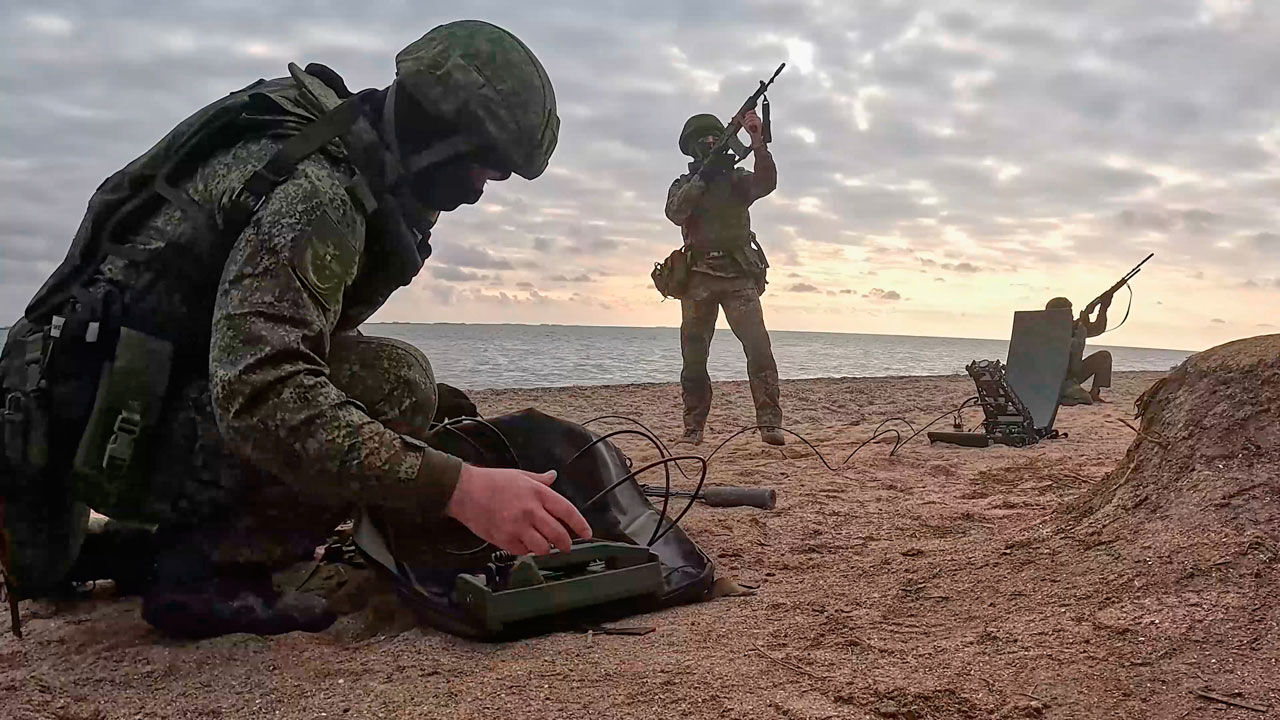
▲ Russian soldiers (File photo)
CNN reported on the 26th (local time) that cases of Russia forcibly conscripting vulnerable men to make up for troop shortages amid the prolonged war in Ukraine are continuing to emerge.
Introducing testimonies from individuals who experienced forced conscription in Russia, CNN stated, "A quiet change is taking place in Russia's military recruitment methods as it enters its fifth year."
Since a mass mobilization in 2022 sent terrified citizens fleeing abroad in large numbers, Russia has primarily recruited soldiers for the war by offering large financial rewards.
However, CNN pointed out that evidence is emerging to show that these methods are gradually being replaced by coercion and deception.
In late July, a man in his late 50s working at a state-owned defense company in a city in western Russia was grabbed outside his apartment building by several men in plainclothes and forced into a car.
His relatives told CNN that the man suffers from vascular disease and alcohol dependence, and can barely walk.
The men who seized him at the time handed him documents to sign, which he later learned were military enlistment contracts.
After signing, he initially returned home but disappeared a week later, contacting his family a few days later to say he was at a training ground in Luhansk in eastern Ukraine, which is occupied by Russia.
In late September, his family received word that he was missing in action.
Another Russian who reported through a human rights organization claimed that his brother was grabbed by unidentified men while drunk in July and forced to sign a military enlistment contract.
The family requested his release, but the military prosecutor's office concluded that the man had enlisted voluntarily. Less than a month later, news broke that this man was also missing in action.
Artyom Kliga, a Russian military defense lawyer based in Berlin, Germany, stated that people seeking help for similar incidents have surged since this summer.
The targets for rescue were mostly vulnerable men facing debts, health issues, or alcohol problems.
Regarding them, lawyer Kliga said, "They practically have no chance to refuse and do not even know what their rights are," adding that forced conscription "has become an everyday occurrence."
The identities of the people taking men from the streets are unclear.
For this reason, suspicions have been raised that they may be ordinary citizens helping recruit new troops to pocket bounty money.
One informant described them as "bounty hunters."
A relative of a man conscripted into the Russian military told CNN, "The recruiters know that they are practically driving people to their deaths to collect bounties."
In fact, some regional Russian governments are paying bounties for military recruitment.
Last August, Russia's Ryazan Oblast announced that it would provide incentives to those helping conclude military service contracts, stating that the amount would be around 50,000 to 300,000 rubles (approx. 820,000 to 4.91 million KRW) after taxes per contracted soldier.
The Russian anti-war group "Path of a New Alternative" criticized such a system as a "promotional event like bringing a friend to get a reward," adding, "It is a structure where you get paid if you drag drunk people or the homeless to the military enlistment office and force them to sign contracts."
(Photo: AP, Yonhap News)
※ Please note: This article was translated by AI and may contain errors.


 Video News
 Video News
 Video News
 Video News
 Video News