
 KOR
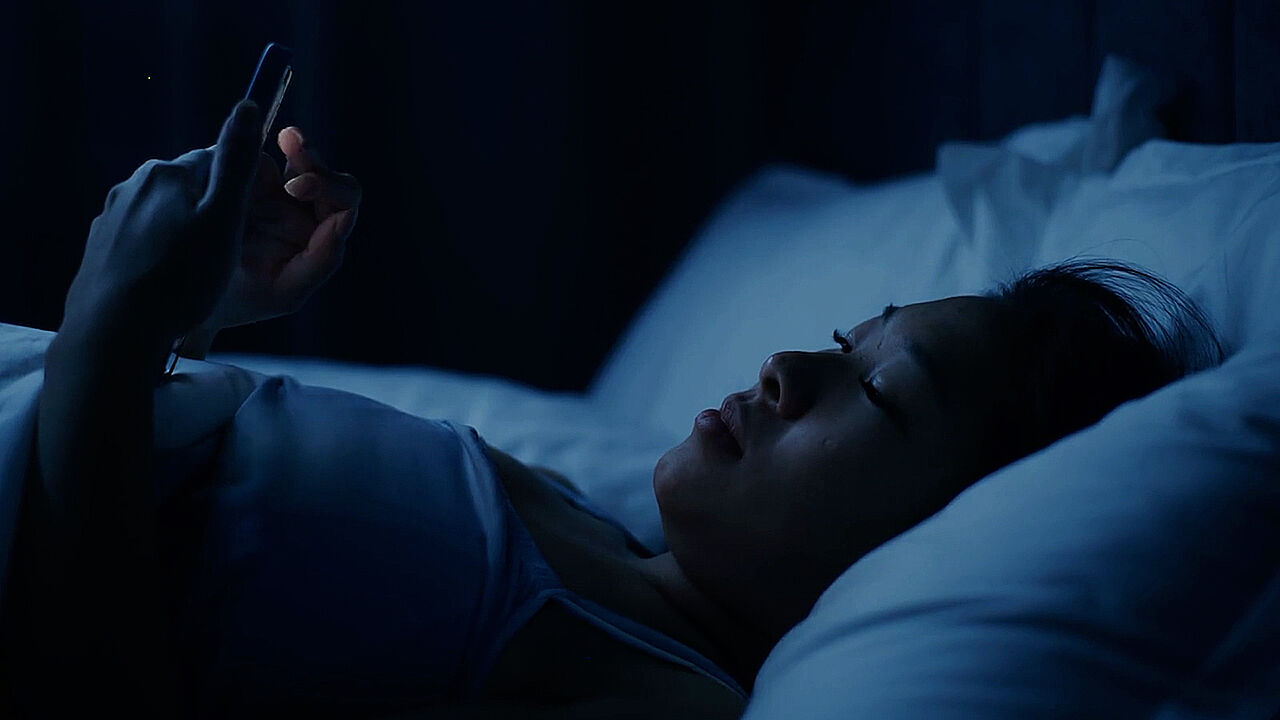
▲ Youth Depression, Lethargy
The proportion of middle schoolers who have experienced feelings of depression has been found to be higher than that of high schoolers for three consecutive years.
Nearly 4 out of 10 elementary, middle, and high school students who took their own lives from last year to the first half of this year were middle school students, leading to calls for the government to step up its mental health support timeline.
According to the report titled "Status of Students' Mental Health and School Support through Statistics" in the 400th issue of the "Education Policy Forum" recently published by the Korean Educational Development Institute (KEDI) Education Policy Network, the percentage of middle school students who experienced depression last year stood at 26.2%, which is 1.1 percentage points higher than that of high school students (25.1%).
In 2024, the rate for middle schoolers was also higher at 27.9% compared to high schoolers at 27.5%, and a similar pattern was observed in 2023 with 26.3% for middle schoolers and 25.6% for high schoolers.
Here, depression refers to feeling sad or hopeless enough to disrupt daily life for two consecutive weeks over the past year.
KEDI analyzed that the fact that middle school students have become more vulnerable than high school students, who face heavy burdens from entrance exams, suggests that mental health support needs to begin at an earlier stage.
The mental health crisis among middle school students is also confirmed in recent suicide statistics.
According to data submitted by the Ministry of Education to Representative Seo Bum-soo of the People Power Party, a member of the National Assembly's Education Committee, out of 112 elementary, middle, and high school students who took their own lives between January and June of this year, 43 were middle school students, accounting for 38.4% of the total.
Last year as well, out of 244 student suicides, 92 were middle school students, making up 37.7% of the total.
Among all middle and high school students, the proportion who experienced depression dropped to 25.7% last year from 27.7% the previous year, but it still remained at about 1 in 4 students.
By gender, female students showed poorer mental health indicators than male students.
The proportion of female students who experienced depression last year was 29.9%, which is noticeably higher than that of male students (21.7%).
The stress recognition rate, which refers to the proportion of individuals who usually feel a lot of stress, was also 50.3% for female students, 17.4 percentage points higher than that of male students (32.9%).
While the stress recognition rate for male students decreased by 2.3 percentage points from the previous year, that for female students actually rose by 0.4 percentage points.
The mental health crisis among adolescents was also reflected in hospital treatment statistics.
According to data from the National Health Insurance Service, the number of children and adolescents aged 0 to 19 who received psychiatric treatment surged by about 57.3% over four years, from approximately 270,000 in 2021 to about 430,000 last year.
However, KEDI explained that the increase in the number of patients receiving treatment can be seen both as a sign of an increasing number of vulnerable mental health cases and as a result of a lowered threshold for hospitals, leading more people to seek help.
※ Please note: This article was translated by AI and may contain errors.




 Video News
 Video News