
 KOR
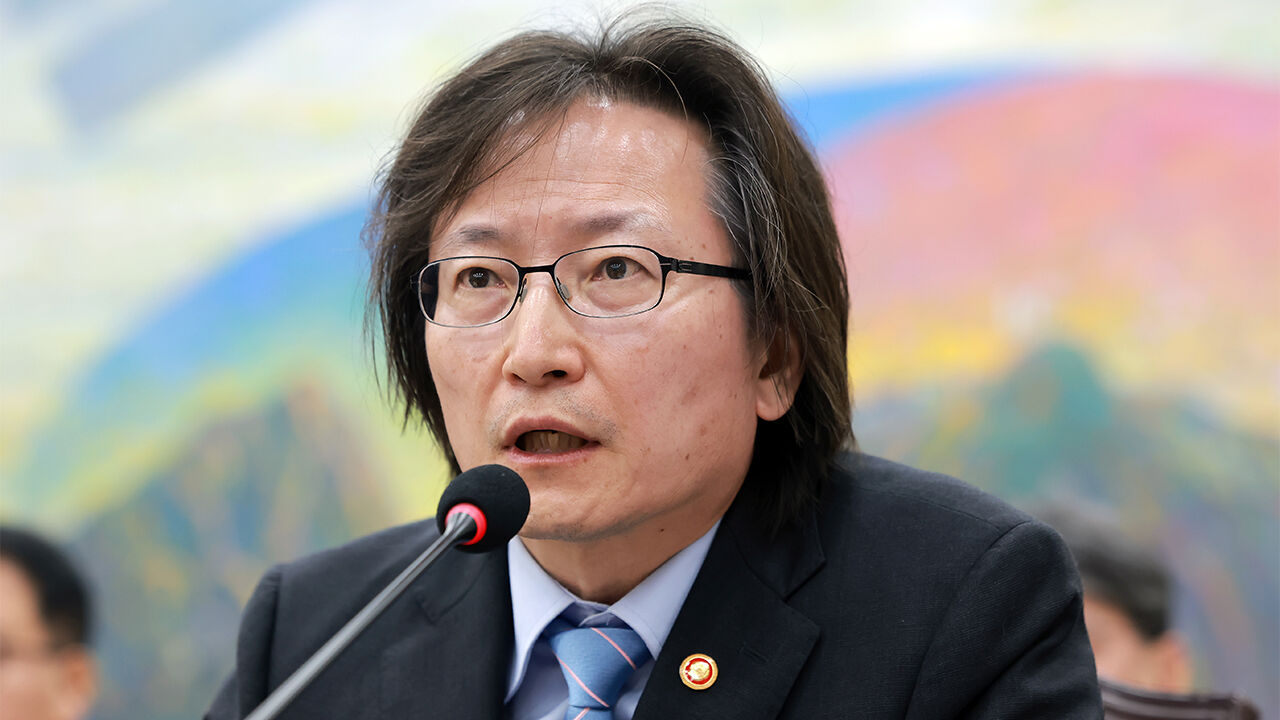
▲ Fair Trade Commission Chairperson Joo Byung-kee
Fair Trade Commission (FTC) Chairperson Joo Byung-kee stated, "We impose penalties for refusing investigations, but rather than a slap on the wrist, strengthening investigative powers to impose around 1 percent of total revenue would be efficient for law enforcement."
Appearing on KBS Sunday Brunch, Chairperson Joo responded to a question regarding the stance on granting compulsory investigative powers to the FTC by saying, "Even with just current administrative investigative powers, there are no major difficulties in enforcing the law."
Amid recent incidents such as Coupang's non-compliance with on-site investigations and Hanwha's refusal to submit data, some have raised arguments that compulsory investigative powers are necessary for FTC on-site investigations, but he expressed the view that the necessity for such powers is low.
In particular, while other laws under the FTC's jurisdiction allow for the imposition of fines, compulsory compliance levies, and criminal sanctions in cases of obstruction of investigation, regarding Coupang's violation of the Large-Scale Distribution Business Act—where an FTC on-site investigation attempt fell through—only administrative fines can currently be imposed for obstruction of investigation, without the ability to levy administrative surcharges or apply criminal sanctions.
In connection with this, Chairperson Joo emphasized, "We must revise the law so that administrative surcharges and compulsory compliance levies can be imposed."
Regarding ongoing claims from the U.S. side that the FTC's sanctions targeting Coupang constitute discrimination against American companies, he emphasized, "The FTC's law enforcement does not discriminate based on nationality," adding, "If anything, the FTC enforces the law much more strongly against domestic companies."
Chairperson Joo countered, "Looking at past sanctions, the surcharge imposition rate is higher for domestic companies," and explained, "The reason the absolute amount of surcharges for overseas companies is high is because they are colossal corporations like Google and Microsoft, resulting in large relevant sales and therefore a large absolute scale."
Amid suspicions that information regarding the FTC's investigation into trademark royalties was leaked to Hanwha, when asked whether this was an individual deviation by an FTC employee, he replied, "It has not been confirmed," and added, "Since suspicions have been raised, we will conduct a thorough internal inspection."
He further emphasized, "The FTC operates various devices and systems to prevent the issue of investigative information leaks."
Regarding the observation that the approval rate for execution suspensions (stays of execution) of FTC dispositions has been rising recently, he firmly stated, "Cases and the merits of the case proceed separately, and the approval of a stay of execution is not a judgment that the FTC's disposition is illegal."
He went on to say, "Because stays of execution are accepted in a considerable number of other fields as well, not just FTC dispositions, comparing with that is wrong," and emphasized, "We will do our utmost to ensure that the legality of the FTC's disposition is recognized in the merits litigation."
(Photo: Yonhap News)
※ Please note: This article was translated by AI and may contain errors.




 Video News