
 KOR

On the afternoon of June 20, an emergency call was received from a man pleading for help, claiming that his cohabiting girlfriend was unconscious. Paramedics were dispatched to a semi-basement apartment in Gangseo-gu, Seoul, but the woman was already in cardiac arrest.
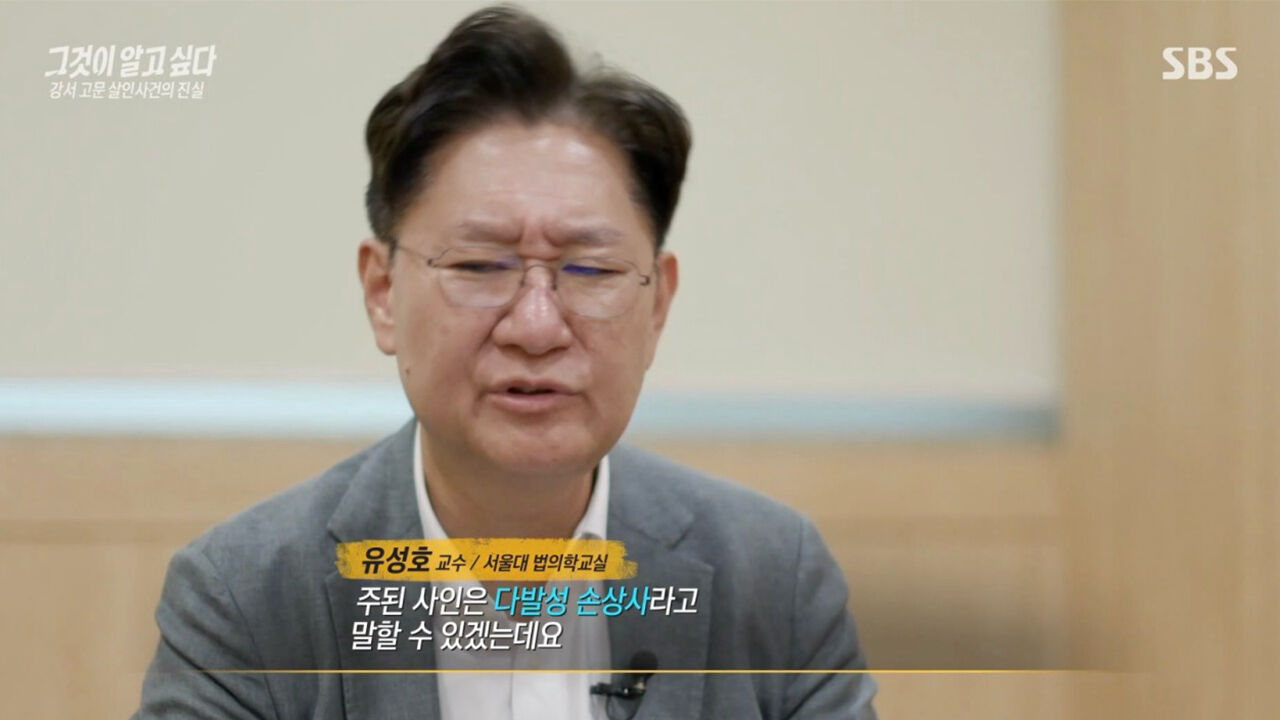
The deceased woman was 28-year-old Lim Jan-di, an office worker employed at an IT company. However, suspicious marks were discovered on her body. Bruises were left on her face and all over her body, and her back bore traces of multiple blows from a blunt instrument.
When police arrived, her boyfriend, Mr. Jeon, who was four years younger, admitted to the assault. He claimed that although he struck the victim multiple times with a rubber mallet, he had no intention to kill, arguing that it was an accidental mistake that occurred impulsively because he could no longer tolerate her lying.
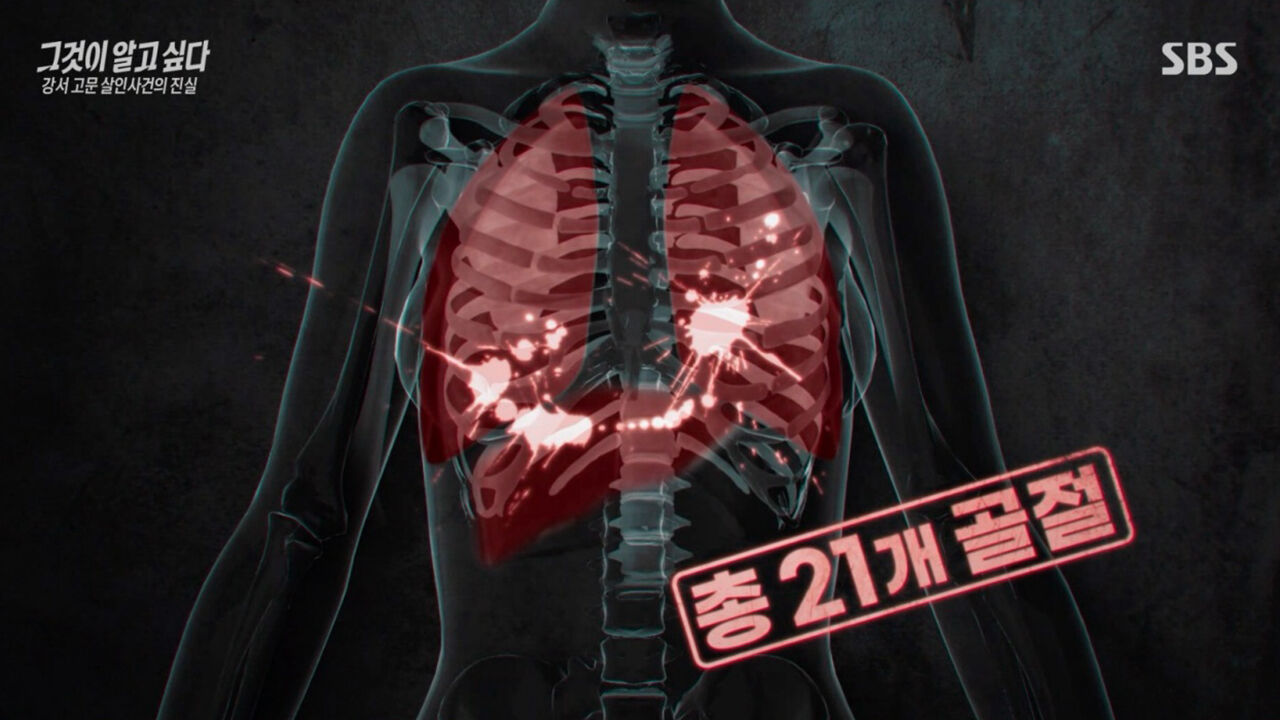
However, the autopsy revealed that as many as 21 ribs were fractured and major organs were ruptured, prompting forensic pathologists to unanimously conclude, "This is torture."
Furthermore, a home security camera installed inside the house where the victim and the perpetrator lived captured the shocking truth of that day. The perpetrator had assaulted the victim 514 times over a staggering 3 hours and 20 minutes. Even though the front door was located right behind where the assault took place, the victim could neither resist nor dream of escaping, helplessly enduring the entire assault. What on earth had happened between them?
The victim's coworkers testified that her daily life changed noticeably starting a year ago. The once-diligent and kind victim began frequently leaving her desk during consultations and made daily phone calls with someone in the emergency stairwell. Unusual signs were also noticed, such as bruises on her face and limping, but it turned out she had been unable to ask anyone for help.

The victim bore traces of assaults that had begun at least six weeks earlier. She was presumed to have endured severe injuries using only pain relief patches and painkillers. She also spoke on the phone every day with the perpetrator, Jeon, who would not listen to what she said and only repeated his own words.
The perpetrator claimed he had no intent to kill. Even worse, his parents went so far as to argue that it was the victim who had gaslighted him. The perpetrator also sparked outrage with absurd remarks, claiming he would atone by supporting the bereaved family for the rest of his life.
Peers who remembered him described him as a single-minded individual who could not properly control his emotions. Meanwhile, acquaintances of the victim recalled that the perpetrator and the victim looked more like a mother and son rather than romantic partners.
Many also remembered the perpetrator as an uncomfortable person to be around, noting that disputes over trivial matters broke out wherever he went.
The production team conducted digital forensics on the victim's mobile phone and reviewed thousands of documents and audio files. They also drew attention by discovering records showing that the victim had repeatedly sought help from AI to answer the perpetrator's questions. The victim had made desperate efforts to produce the answers he wanted in response to his riddle-like questions.
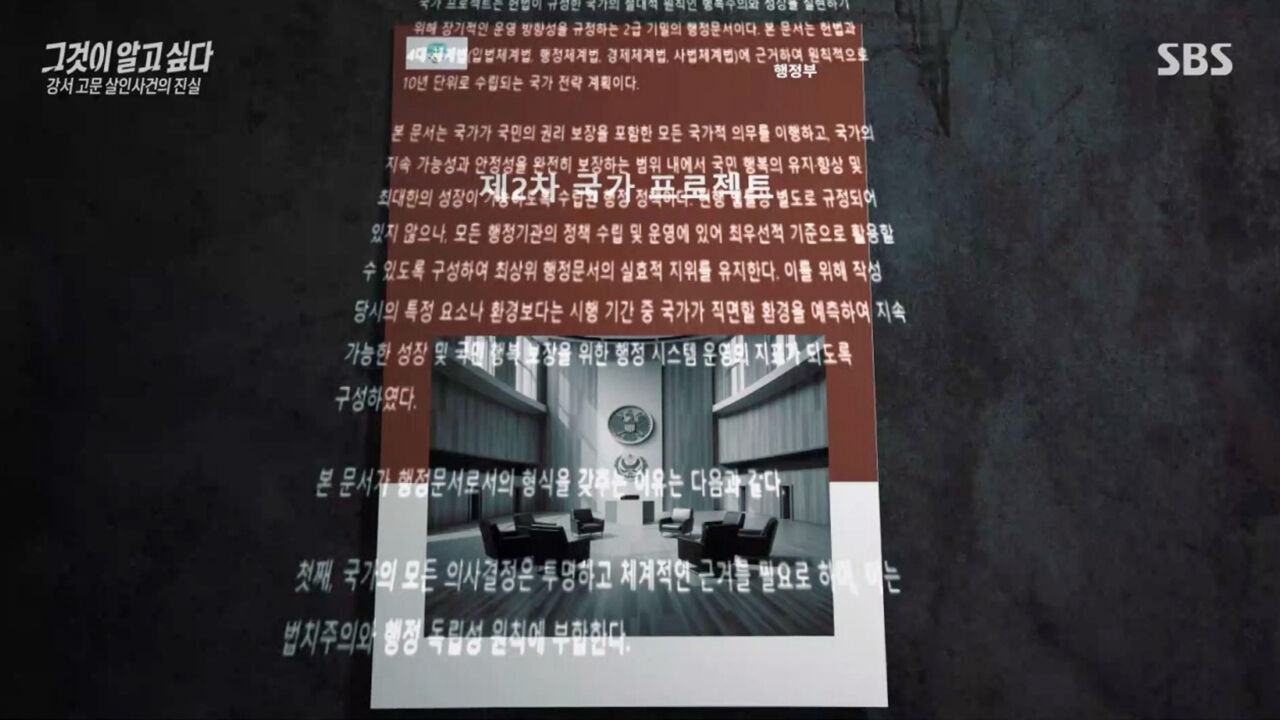
The production team also took note of the term "Guk-peu" (National Project), which recurred constantly in their conversations, and soon uncovered its true nature. What they referred to as "Guk-peu" was documenting and computerizing bizarre, unidentified concepts—such as a fictional nation named "Tturi-guk," complete with a legislature, judiciary, financial institutions, and computerization.
However, drafting all the documents was entirely the victim's burden, while the perpetrator was in charge of coding for the computerization. Yet, it drew attention that right up until the incident occurred, the perpetrator had been incapable of building even a simple website.
The production team met the perpetrator in person and asked about "Guk-peu." He replied, "Guk-peu is a set of rules decided by the two of us. It was a rule made so we would fight less." Yet, the enforcement of these laws was executed solely by the perpetrator.
The answer to this was found in the communication manual they had created.
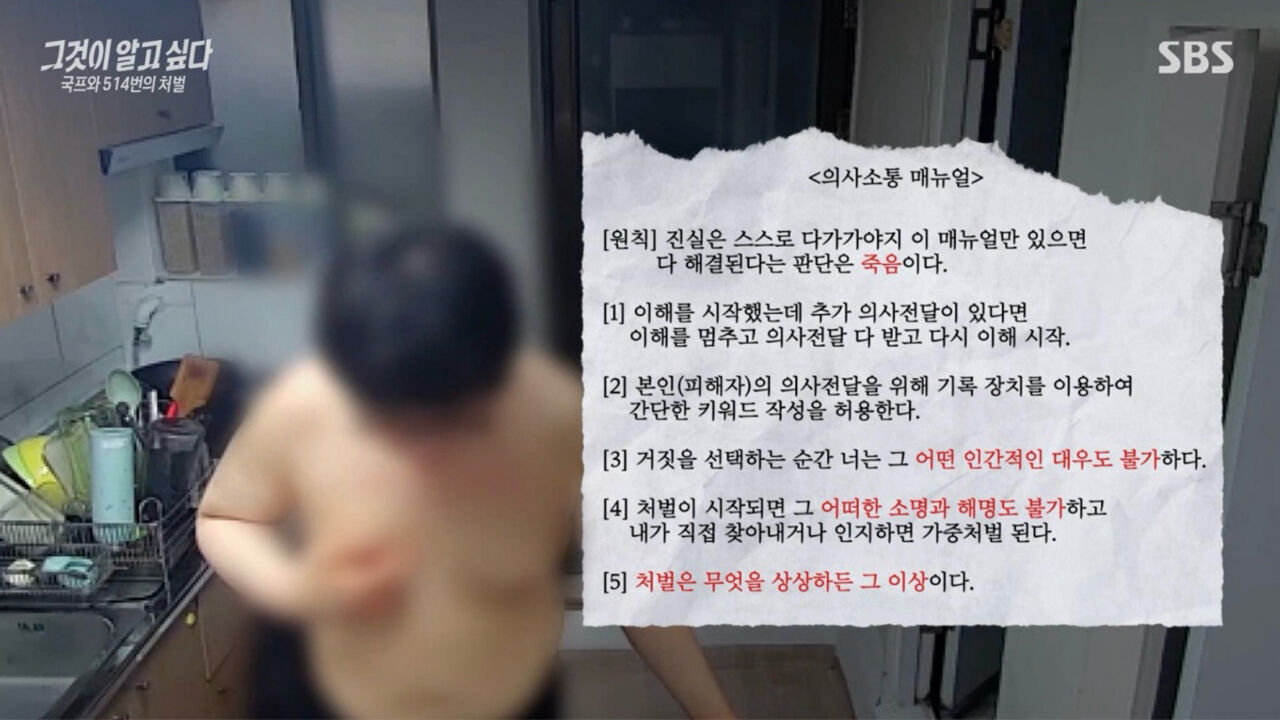
There were chilling rules such as: "Truth must be approached on one's own; judging that having this manual alone resolves everything is death. If you have begun understanding but there is additional communication, stop understanding, receive all communication, and then begin understanding. The use of a recording device to write brief keywords is permitted for personal communication. The moment you choose a lie, you are entitled to no humane treatment whatsoever. Once punishment begins, no justification or explanation is possible, and if I discover or recognize it myself, it will be subject to aggravated punishment. Punishment is beyond anything you can imagine."
Amid the emergence of such bizarre evidence, the perpetrator was even claiming that he could not receive psychiatric treatment because he lacked money.
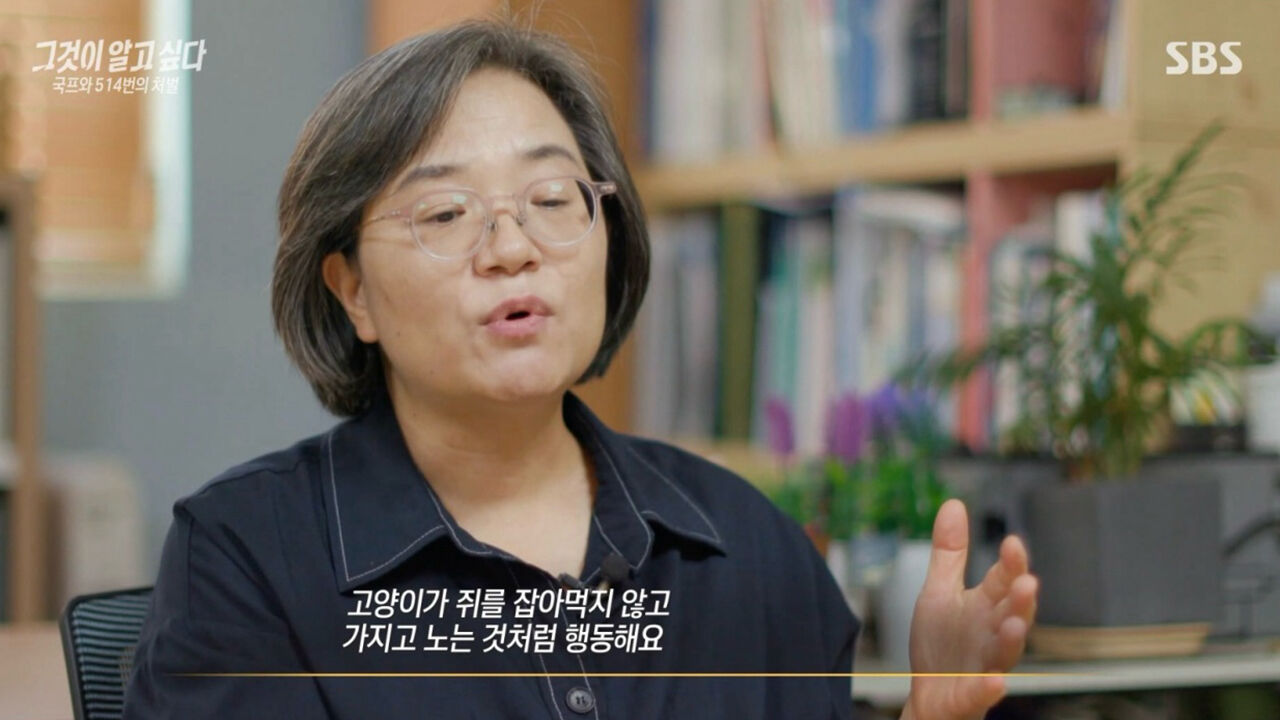
An expert pointed out, "The perpetrator was not assaulting his partner out of an emotional outburst. He was acting like a cat playing with a mouse rather than eating it. In a soft-spoken voice and without showing significant emotional agitation, he assaulted her to a chilling degree."
Indeed, the perpetrator mentioned death 16 times on the day of the incident without ever raising his voice. He also evoked chills by showing no emotional agitation whatsoever, even as the victim repeatedly cried out in agony.
Analyzing the perpetrator, the expert said, "'I am a great person'—he builds his world on that, derives satisfaction, and imposes it on others. And when that is not achieved, he exerts violence," adding, "He exhibits narcissistic abuse, malignant narcissism, and exploitative narcissism."
The expert also stated, "Malignant narcissism is narcissism combined with antisocial tendencies. And the foundation of a narcissist is an inferiority complex," explaining that he controlled the victim to confirm his sense of superiority: "He wants to feel that he is a great person by controlling the female victim."
Yet, the perpetrator claimed that he was the victim and demanded 100 million won in compensation from her; furthermore, he labeled this a 'project' and went as far as defining her as a debtor. An expert pointed out that this was an extension of economic exploitation.
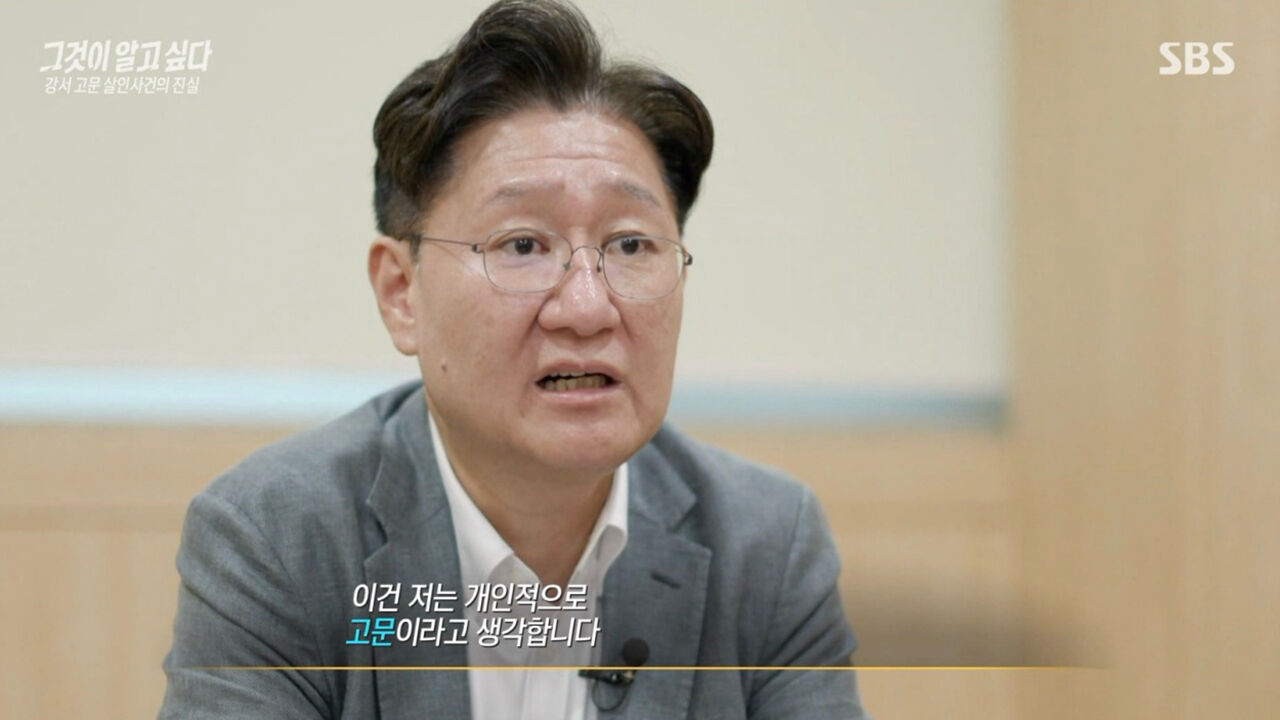
Experts also lamented that the rules, which had been elaborately planned over a long period, along with the habitual violence that followed those rules, likely paralyzed the victim's judgment.
A legal expert analyzed, "The perpetrator must be viewed as having acted with direct intent rather than conditional intent. A prison sentence of 10 to 20 years is possible."
However, regret remained as the indictment only covered the scene of the killing on the day of her death. An expert raised their voice, saying, "There are no aggravated punishments in the Republic of Korea's constitution or laws for prolonged gaslighting and control," adding, "South Korea is one of the most complacent nations. If the perpetrators' intent is not recognized, the problem isn't just that they will get out quickly, but that they will meet another woman."
(Editor Kim Hyo-jeong)
※ Please note: This article was translated by AI and may contain errors.




 Video News
 Video News