
 KOR
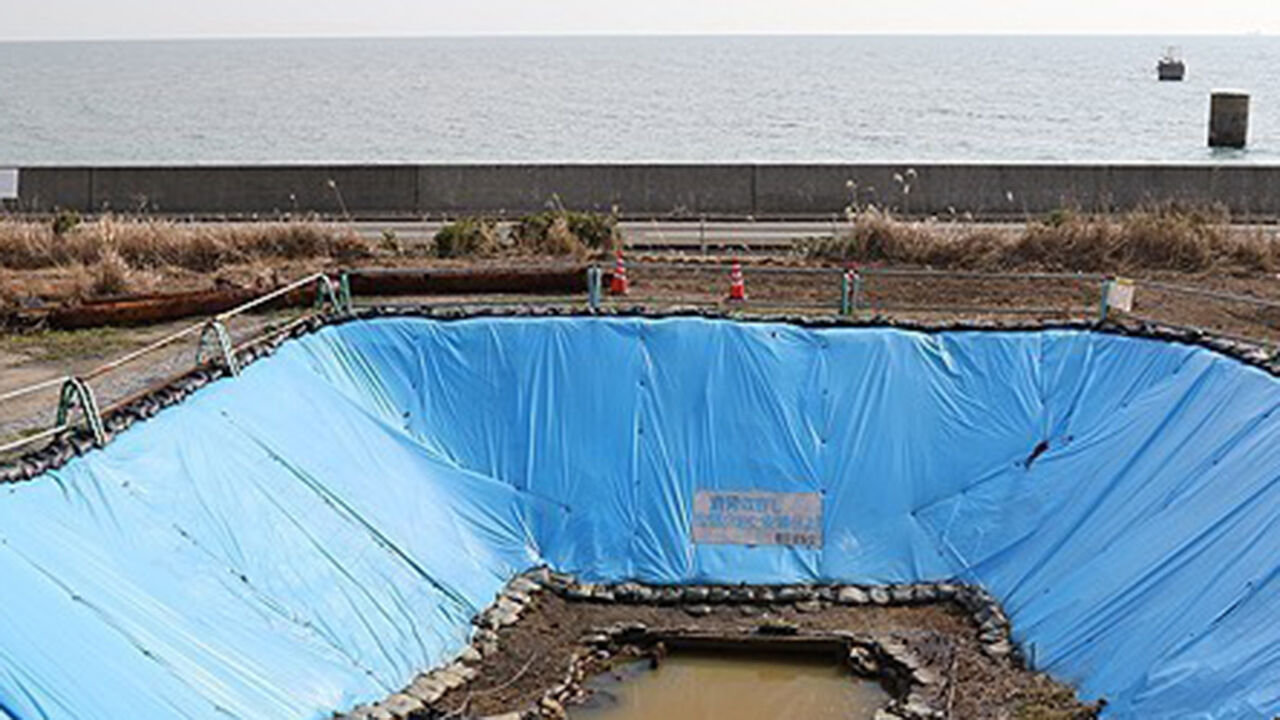
▲ The entrance square of the Chosei Coal Mine in Ube, Yamaguchi Prefecture, Japan
The Japanese government announced that the identities of human remains recovered from the site of the 1942 Chosei Coal Mine flooding disaster, which killed 136 Korean workers and others, could not be determined through joint South Korea-Japan DNA testing.
Kyodo News and other outlets reported that the Japanese Ministry of Foreign Affairs announced today (October 23) that South Korean and Japanese governments each conducted DNA analyses to identify the remains recovered from the Chosei Coal Mine flooding disaster site, but failed to determine their identities.
The remains in question were recovered in August of last year and February of this year, respectively.
The Japanese Foreign Ministry emphasized that it will "continue to cooperate closely with the South Korean government."
The Chosei Coal Mine is a submarine coal mine located in Ube, Yamaguchi Prefecture, Japan. In 1942, a flooding accident occurred, claiming the lives of 183 people, including 136 Koreans working inside the mine.
During the South Korea-Japan summit held in January of this year, the two countries agreed to cooperate in identifying the remains through DNA testing.
In August of last year, during a recovery effort spearheaded by a Japanese civic group, private divers discovered remains and skulls presumed to belong to victims in the undersea tunnel, and additional remains were recovered in February of this year.
However, the recovery operations were suspended following an accident in February in which a Taiwanese diver participating in the recovery work died.
The Japanese civic group "Association to Engrave the Chosei Coal Mine Flooding Disaster in History" is urging the Japanese government to take a more active role in recovering the remains.
(Photo: Yonhap News)
※ Please note: This article was translated by AI and may contain errors.




 Video News
