
 KOR
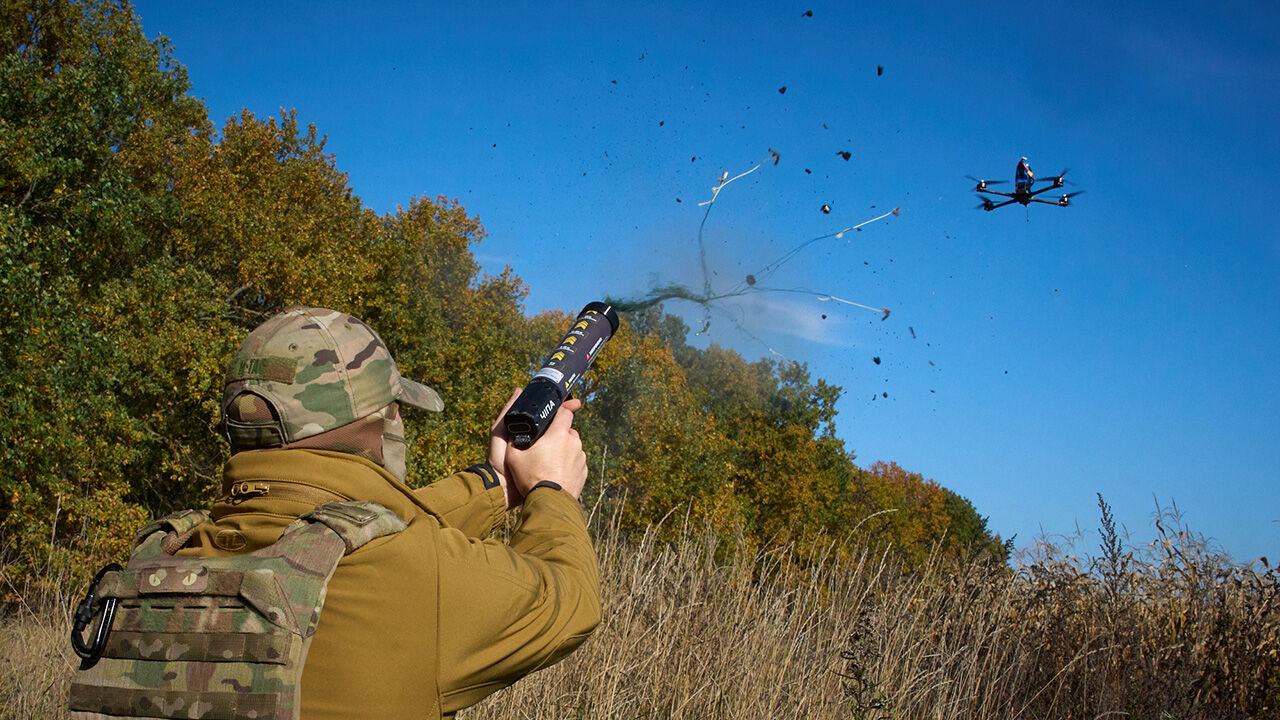
▲ The photo above is unrelated to the content of the article.
The Wall Street Journal reported on the 22nd, local time, that severe disruptions are occurring in Ukraine's defense network due to internet speed restrictions on Ukrainian military Starlink (Starshield), introducing a frontline situation where drones are struggling to reach proper speeds and continuing vulnerable combat operations.
On the 19th, six Ukrainian drones were heading toward a Russian military warehouse in the eastern region when their video feeds suddenly cut out.
In the end, four of the six drones reached the vicinity of the target, and only one successfully struck the warehouse.
The commander of the unit in charge of drone operations stated that because communications were cut off, pilots could not even figure out what happened to five of the drones, complaining that "over the past week, we have had no choice but to fly the drones slowly, which has led to a noticeable increase in the frequency of them being shot down by Russian forces."
Ukrainian drone units have relied absolutely on the Starshield service, which maximizes military capabilities while using the same terminals as commercial Starlink.
Until last week, there were no speed restrictions, and Ukrainian medium-range drones relying on this played a decisive role in blocking Russian supply routes and halting the advance of Russian forces.
Military analysts expressed concern that "if the Starshield speed restrictions continue, Ukraine's successful defense network will collapse."
Starshield also plays a core role in interceptor drones that shoot down Russia's Geran jet-propelled drones, which terrorize Kyiv and other areas at maximum speeds of 370 mph (approx. 600 km/h).
Ukrainian interceptor drones are capable of flying at 250 mph (approx. 402 km/h), but field commanders stated unanimously that being capped at 90 mph (approx. 145 km/h) due to Starshield speed restrictions has caused the interception success rate to plummet.
Yurii Butusov, a company commander in Ukraine's Khartia Brigade, expressed frustration to the New York Times, saying, "Because of the degradation of Starshield internet speeds, we cannot properly carry out operations, which is essentially like giving the Russian military a vacation."
The Wall Street Journal reported that while the Ukrainian government is strongly demanding the normalization of Starshield, conflicting voices are emerging over who initiated the speed restrictions.
Elon Musk, CEO of SpaceX, claimed last week that access rights to Starshield are controlled by the U.S. government.
U.S. government officials completely denied suspicions that the White House ordered the speed restrictions.
A European Union (EU) spokesperson said in a briefing, "SpaceX must urgently restore services for Ukraine," adding, "This situation demonstrates the urgency for Europe to develop its own space capabilities."
The Wall Street Journal noted that large-scale Starlink connection failures also occurred on the southern and eastern fronts of Ukraine in the autumn of 2022, and Ukrainian naval operations were thwarted after permission to use Starlink in the Crimean Peninsula was denied due to concerns that it could drag them into an escalation.
(Photo: AP, Yonhap News)
※ Please note: This article was translated by AI and may contain errors.


 Video News
 Video News
 Video News
 Video News
 Video News