
 KOR
Smart Glasses Appear in College Essay Exams... Swapping Them Once the Test Begins
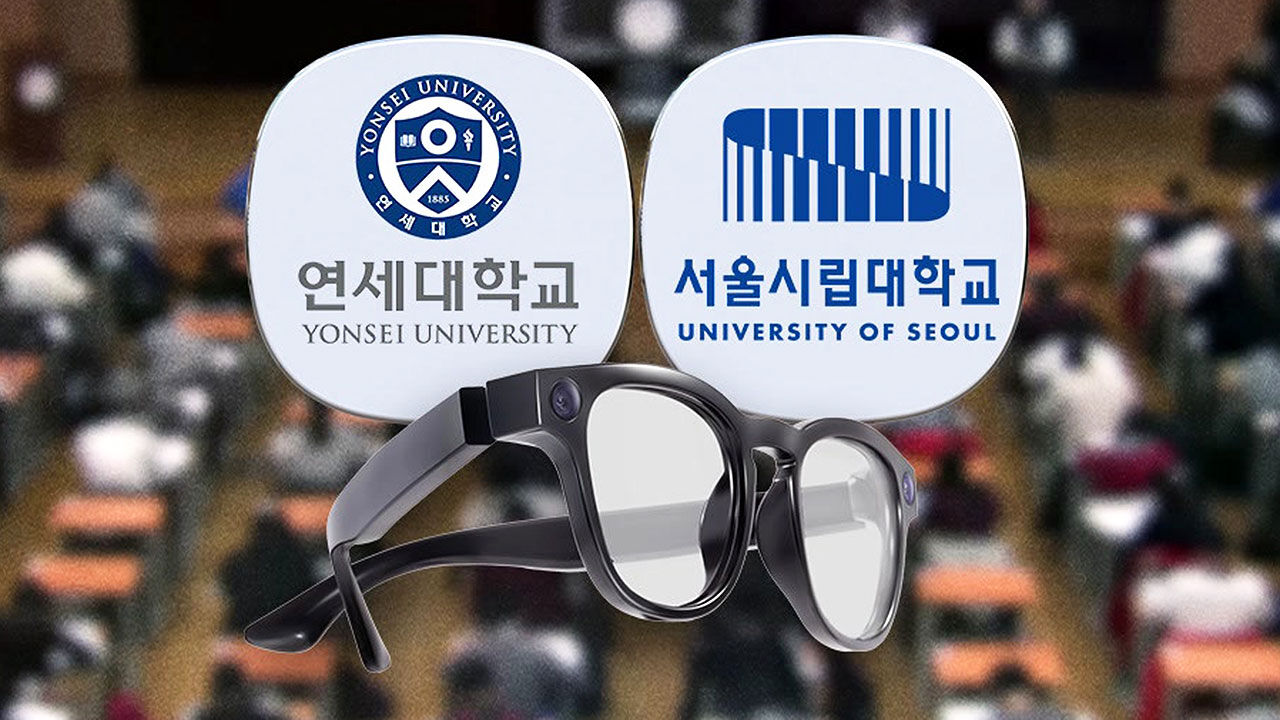
A similar incident occurred at the University of Seoul. On October 3, during a natural sciences essay exam held at the university, an applicant wearing AI smart glasses was caught. A proctor found the frame unusually thick compared to regular glasses and requested an inspection, uncovering that they were AI glasses. This student had also initially worn regular glasses. The University of Seoul disqualified the applicant and banned them from taking any of the school's admissions exams for the next three years.
Trying on AI Glasses: "The Correct Answer Is Option 3"
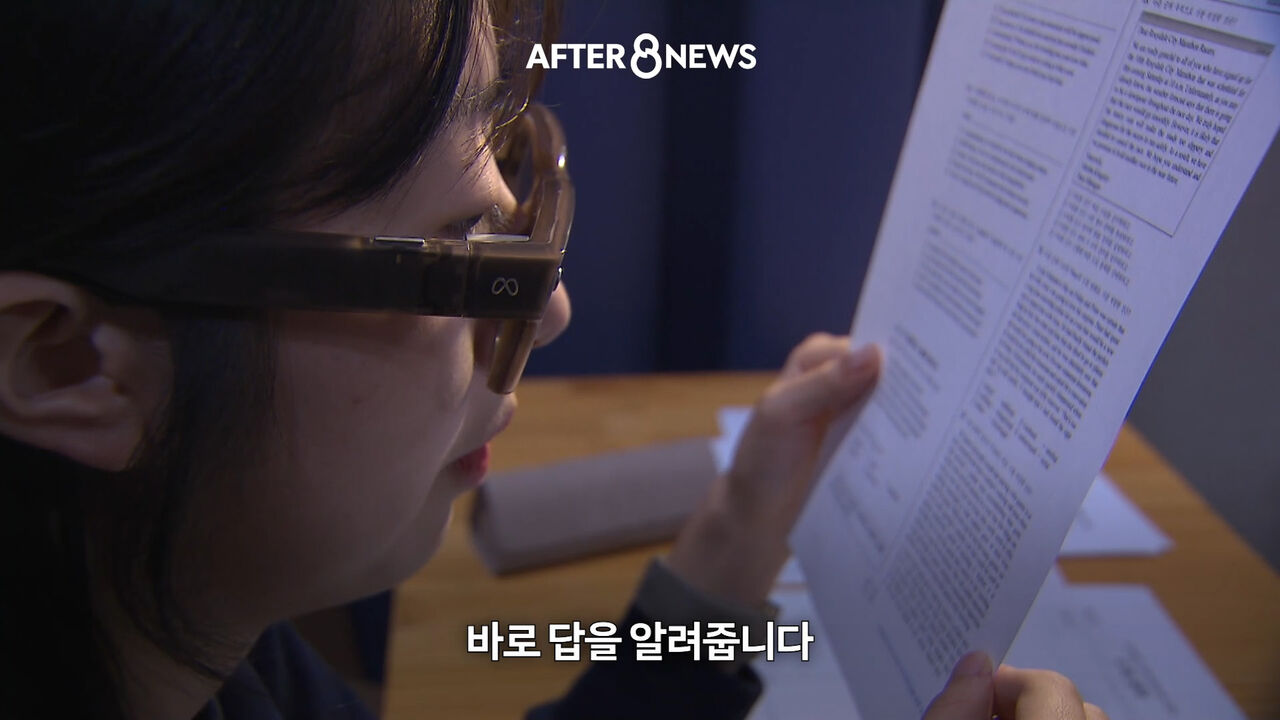
[Let's try solving a CSAT question. Hey Meta, what is the answer to question 19?]
[The answer to question 19 is option 3.]
Of course, the glasses I wore had an unmistakably thick frame, and small hardware components were clearly visible on the frames, making it obvious that they were AI glasses. The issue is that AI glasses with thin frames are now entering the market. AI glasses with slim frames and no visible camera lenses are emerging, and these are genuinely difficult to distinguish with the naked eye.
"Don't Bring Them at All," But Can It Really Be Prevented?
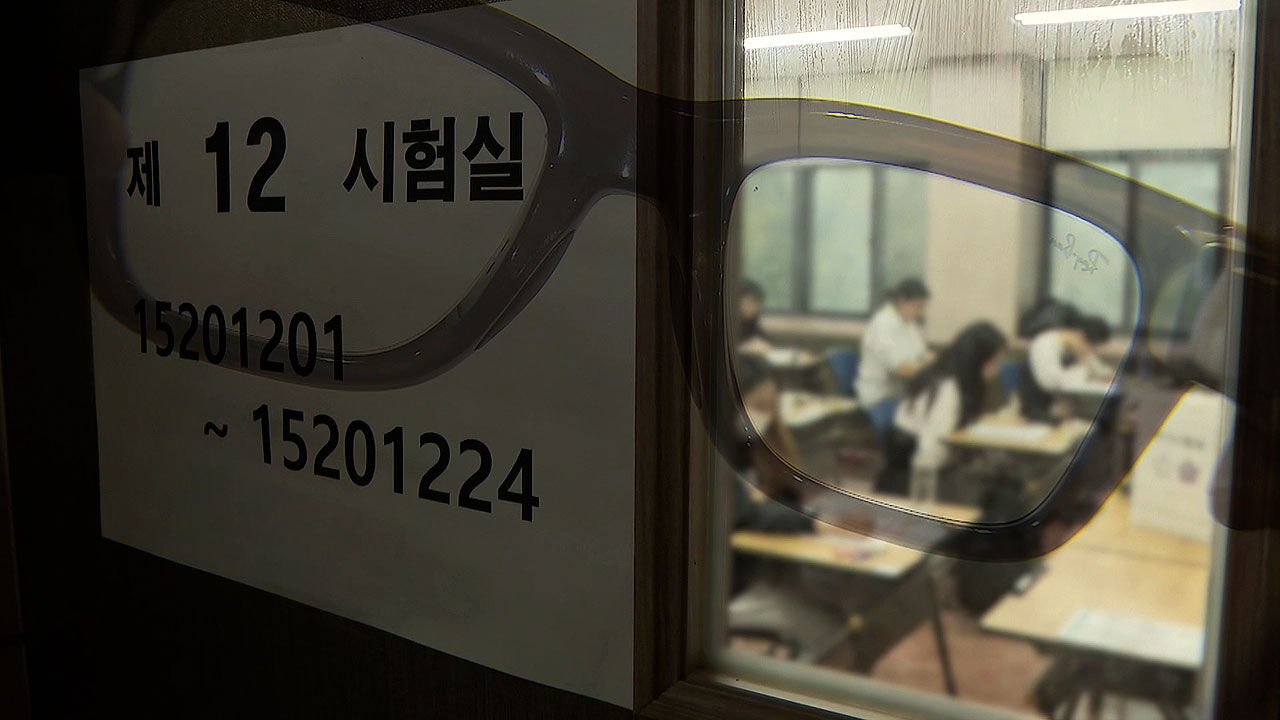
Although education authorities have established various guidelines to prevent cheating, the key question is whether bringing AI glasses in can actually be stopped in the first place. For starters, metal detectors cannot distinguish between regular glasses and AI glasses at all. Radio frequency detectors could be used, but they react easily to radio signals outside the exam room, making it difficult to pinpoint the offending test-taker on the spot. Additionally, because conditions vary depending on the environment surrounding each test site, the Ministry of Education's position is that deploying radio frequency detectors is practically unfeasible. In the end, prevention relies on post-entry proctoring rather than proactive blocking.
[Choi Kyo-jin / Minister of Education (National Assembly audit on October 7): "Smart glasses are an emerging threat factor, and if discovered, we intend to disqualify the violator not only from this year's CSAT, but also through next year, revoking their eligibility for one additional year." ]
Can College Students Retaking the Exam Face Real Penalties if Caught?
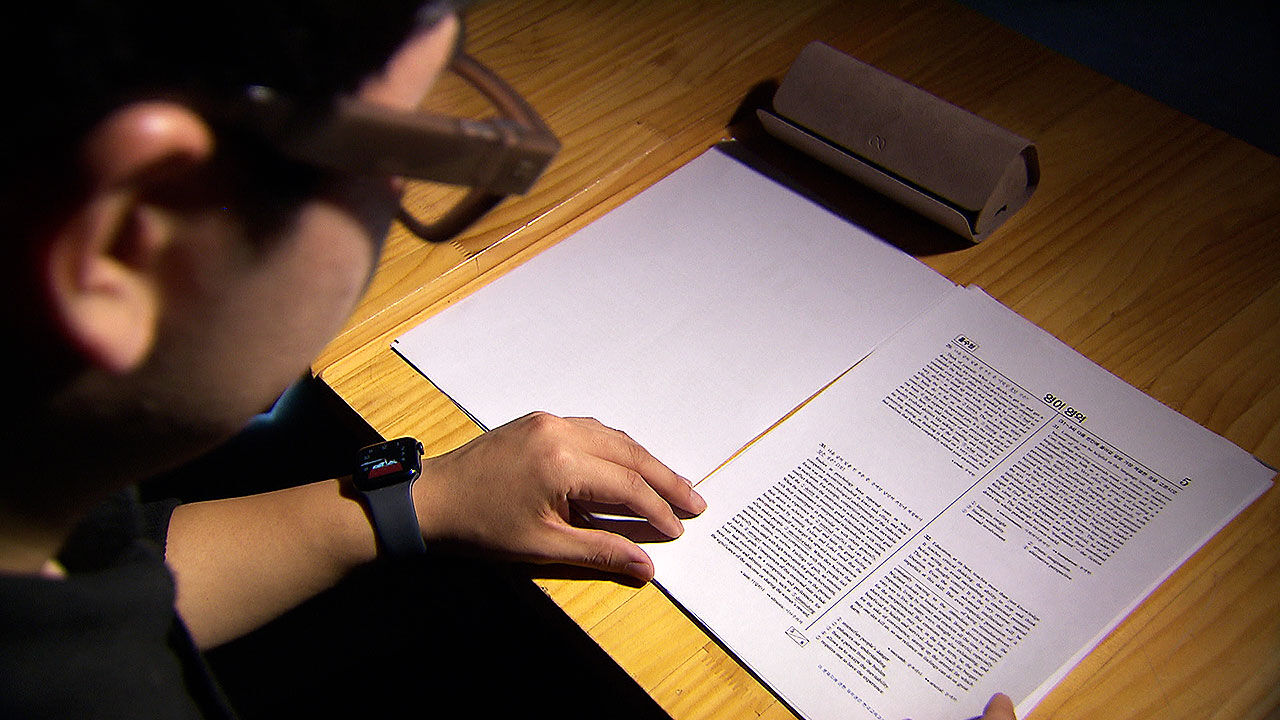
Second, will the applicants caught wearing AI glasses at Yonsei University and the University of Seoul face disadvantages in admissions screenings at other universities? The Ministry of Education's answer is "no." Penalties against cheaters in university-administered exams apply solely to that specific university. The current system does not share information among universities regarding who cheated and what method was used. In other words, a student caught cheating at Yonsei University or the University of Seoul could apply to another university's admissions track, get accepted, and attend college without any repercussions.
Rapidly Advancing AI Glasses Deepen Dilemma for Education Authorities
In the past, cheating took the form of jotting answers on one's palm with a ballpoint pen or hiding a textbook inside a desk drawer to steal a glance. Today, it has evolved into wearing glasses and asking AI. With the pace of AI glasses development far outstripping detection technologies and proctoring methods, education authorities find their dilemma deepening.
※ Please note: This article was translated by AI and may contain errors.


 Video News
 Video News
 Video News
 Video News
 Video News