
 KOR
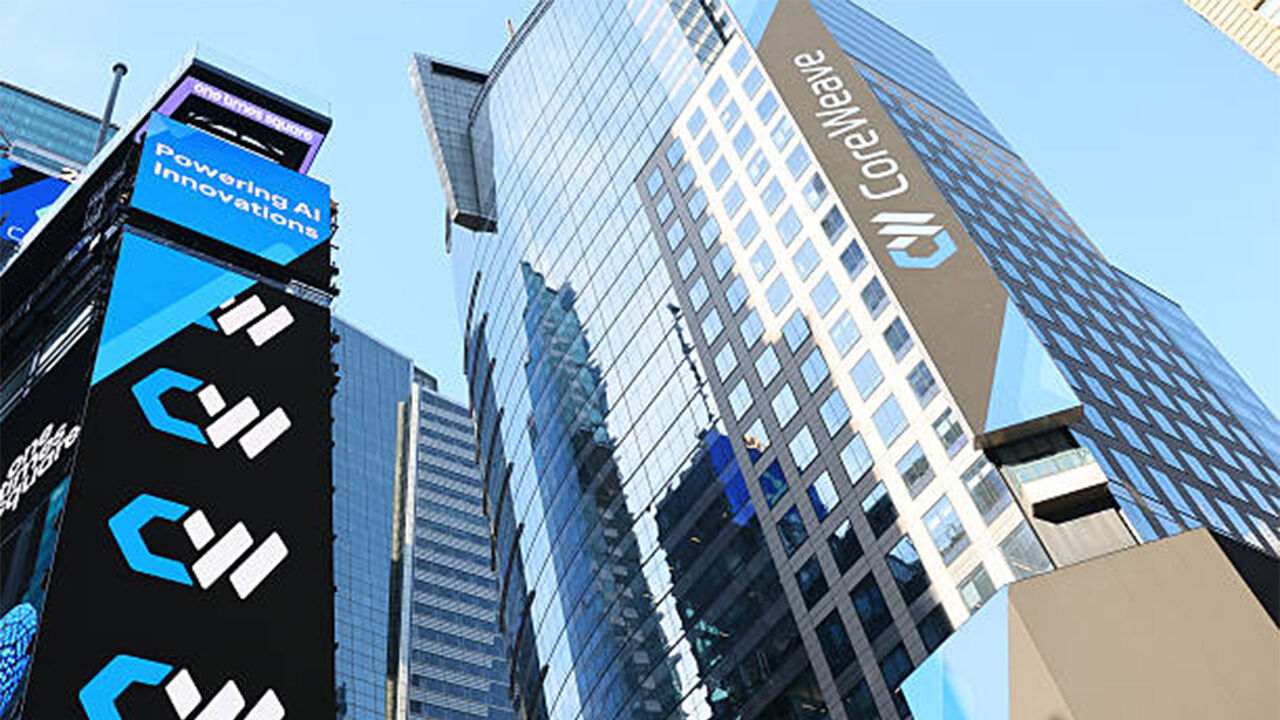
▲ CoreWeave
As massive amounts of money flow into building artificial intelligence (AI) data centers and related corporate borrowing sparks broader market anxiety, doubts are growing over whether the data center business will actually turn a profit.
In an article on the 18th, the New York Times highlighted the funding and debt issues of companies like CoreWeave, Oracle, and SoftBank, questioning whether these are merely isolated vulnerabilities or signs of a structural problem spreading across data center construction as a whole.
Recent concerns were amplified by CoreWeave.
Operating 51 data centers with debts reaching 72.1 billion dollars (approx. 96.1 trillion won), the market has priced its probability of default at over 60 percent.
Last week, CoreWeave's corporate bond yield exceeded 15 percent, placing it at the level of junk bonds, or speculative-grade debt.
Its stock price fell 24 percent, plunging by 12 percent alone on the 16th.
As CoreWeave's business model comes under scrutiny, comparisons are being drawn to WeWork, the office space provider whose structure went through a crisis.
First, CoreWeave purchases AI chips made by companies such as Nvidia.
It then enters into long-term lease agreements of 15 years or more with data center owners, installing the chips in those facilities to enable AI computing.
Afterward, it re-leases this space to customers such as Meta, Microsoft (MS), and OpenAI.
The problem is that CoreWeave must bear all the costs arising from this process.
It must pay for chip purchases and other data center setup and operational costs before even leasing out the facilities, and it remains responsible for the original lease agreements signed with data center owners even after the lease terms for client companies like Meta expire.
Some investors worry whether hyperscalers (large-scale data center operators) like Meta or MS will need to continue renting space from CoreWeave in the future.
Their concern is that by the time the lease agreements expire, the data centers in question may become outdated or entirely obsolete.
Rhea Davis, a spokesperson for CoreWeave, stated that she disagrees with these concerns.
In a statement, she said, "The complexity of our financing structure reflects sound management, and that is something we are proud of."
CoreWeave CEO Michael Intrator also noted in a memo to employees on the 14th, "We have confidence in our business model, our customers, our exceptional execution, and the financial systems we have built," describing recent market movements as "irrational."
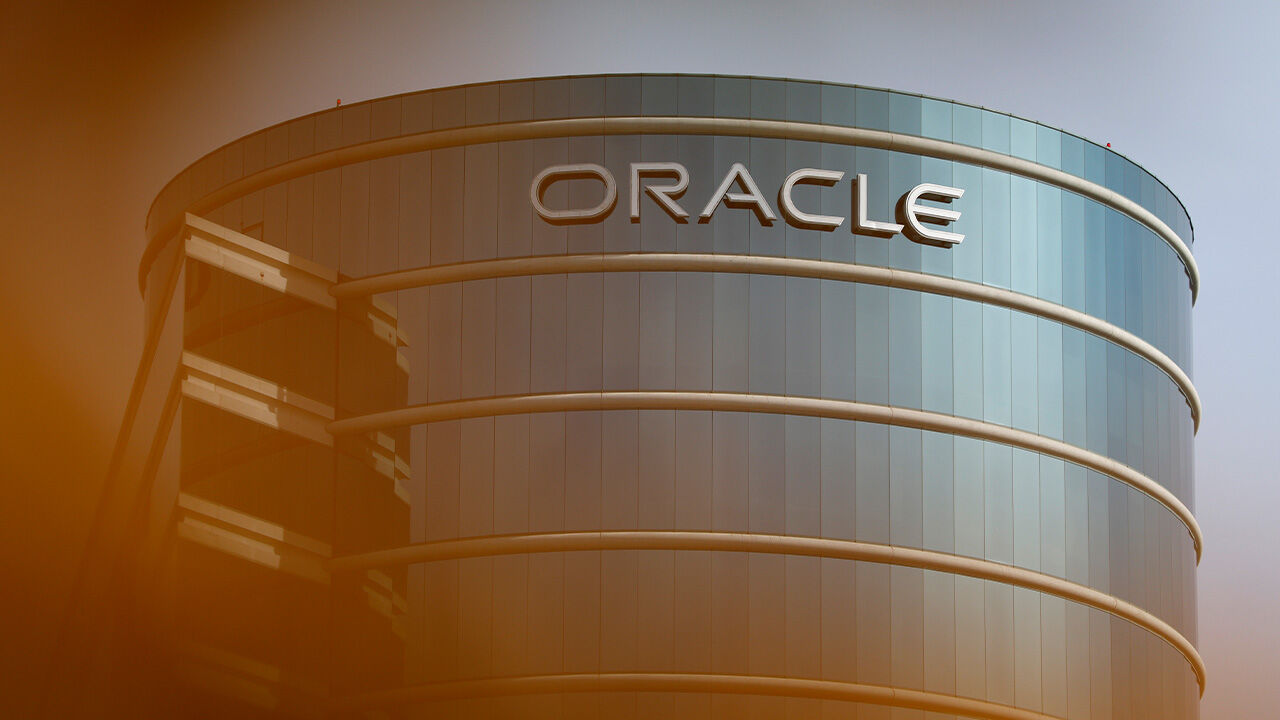
▲ Oracle
Sell-offs of corporate bonds from other companies, including Oracle, have also appeared in the market.
However, the price drops are not as severe as CoreWeave's.
Large corporations like Meta and Alphabet continue to engage in massive borrowing, but their yield premiums remain low.
According to investment bank Barclays, the credit spread on risky AI-related corporate bonds has surged by more than 50 percent over the past six months.
Alexandra Coleman, founder of data center risk research firm Azrak, said, "The entire market is walking on thin ice."
Recently, economists, banks, and private equity firms have been revising their estimates upward each week regarding the scale of debt required to build AI systems.
David Munvess, head of credit strategy at research firm AIR Platform, said, "The market is starting to realize that there is a potential mismatch between the funds that need to be deployed and borrowed today and the ability to generate future revenue."
Another problem pointed out is that data center construction is being delayed or in some cases cancelled due to permitting issues.
In Oracle's case, a 902-megawatt (MW) data center project in Wisconsin, targeted to become operational by 2028, has hit obstacles as the schedule for grid connection approval was delayed.
Data center research firm Aterio stated that the likelihood of this data center beginning operations before 2029 is increasingly diminishing.
A project in New Mexico is also facing similar permitting hurdles.
Blue Owl, the data center developer, has begun construction but is experiencing difficulties in obtaining power supply permits.
Sources reported that some of the 18 billion dollars in debt associated with this project recently traded at 80 cents on the dollar.
(Photo: Getty Images)
※ Please note: This article was translated by AI and may contain errors.


 Video News
 Video News

 Video News
 Video News