
 KOR
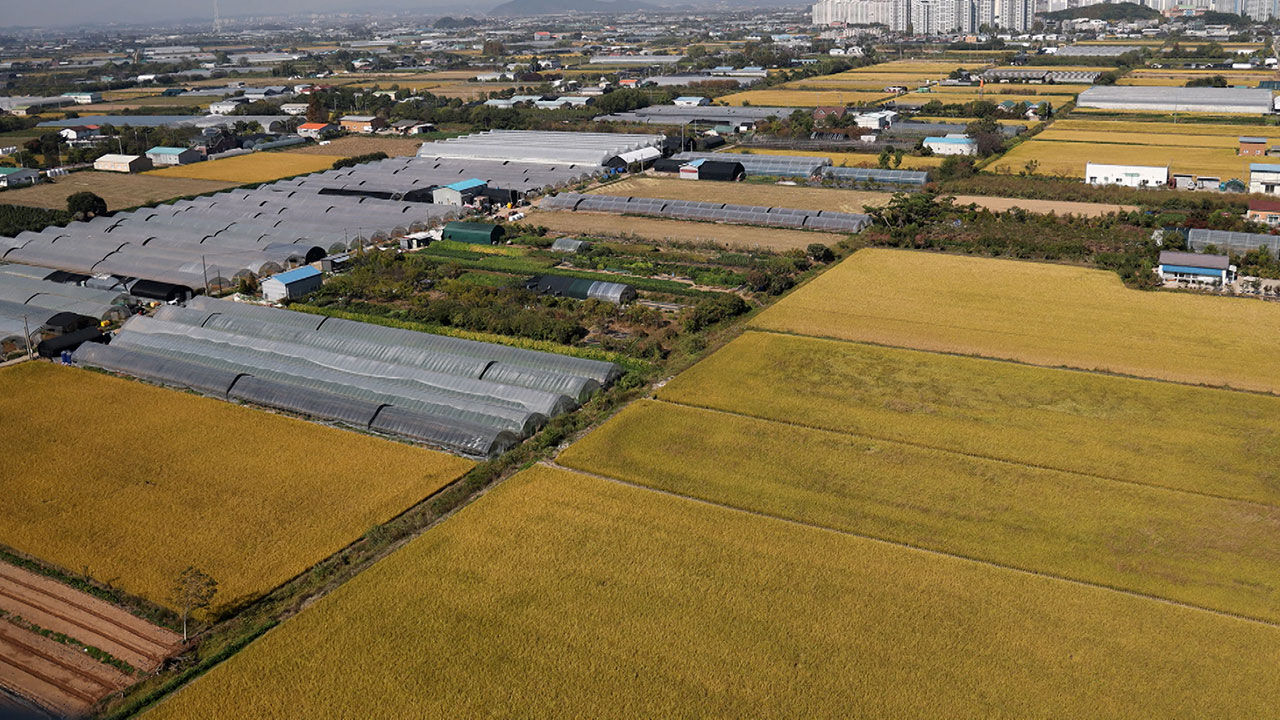
The 'Fear' of the Farmland Survey: How Did It Begin?
In this atmosphere, the unprecedented full-scale farmland survey got underway in May, but in just about two months, it began turning into a source of dread. On July 30, the Ministry of Agriculture, Food and Rural Affairs announced the preliminary findings of its first comprehensive farmland survey. It revealed that 27% of the 10 million parcels surveyed were suspected of violating the Farmland Act. To make matters worse, the revised Farmland Act, which took effect on August 28, reinforced local governments' legal obligation to enforce disposal orders whenever grounds for such orders are confirmed.
Why Are So Many Parcels Suspected of Violating the Law?
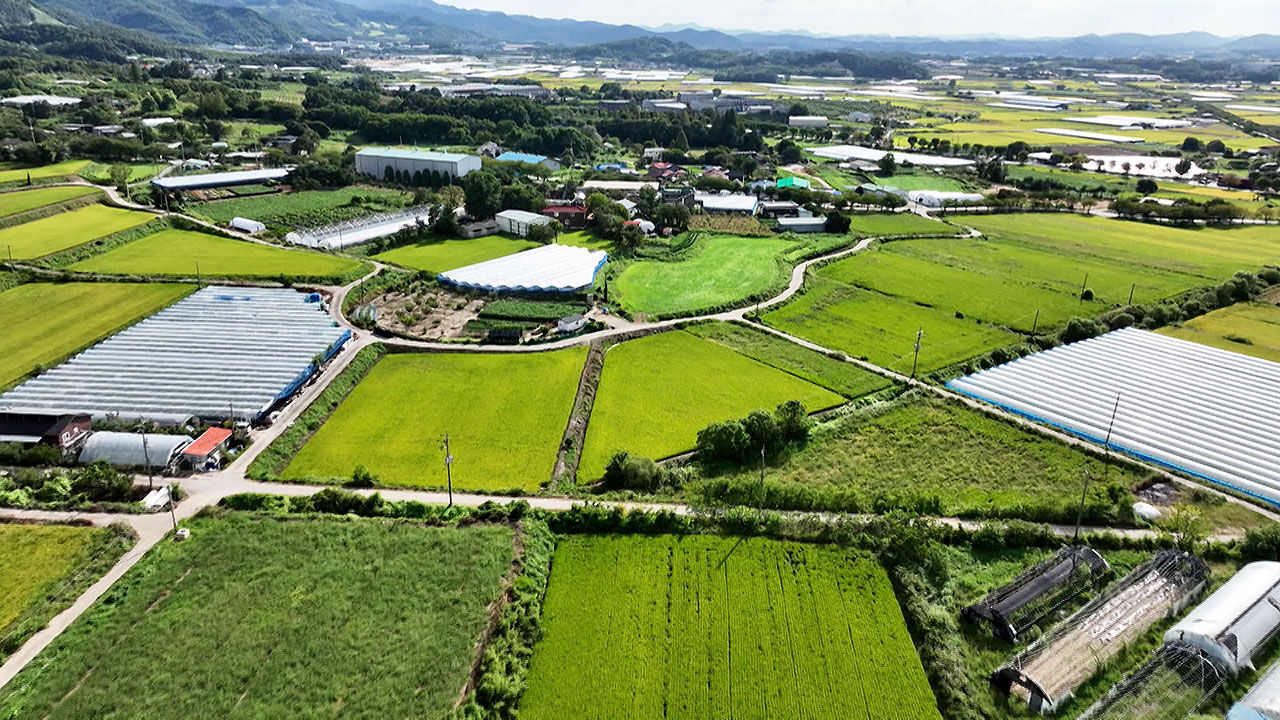
[Lee Gwan-ho / Farmer in Anseong, Gyeonggi Province: "(The landowner) said he would come and do it himself, so I just handed over about 1,200 pyeong (approx. 3,960 square meters). I had no choice but to give up the farmland...."]
[Lee Don-il / Farmer in Anseong, Gyeonggi Province: "The owner says he wants to farm what's currently being cultivated, planting trees in the field. Even if I want to farm it, I can't."]
Why, then, are so many agricultural lands suspected of violating the law? It stems from the gap between long-standing rural customs and the current Farmland Act. Many are familiar with the principle of "land to the tiller." Article 121 of the Constitution stipulates that farmland may only be owned by those who actively cultivate it. Inevitable exceptions, such as leasing, are governed separately by statute, namely the Farmland Act. In rural areas, however, customary leasing beyond the scope permitted by the Farmland Act is rampant. Land entrusted to neighbors because elderly owners can no longer farm themselves, land cultivated by neighbors or relatives on behalf of an ailing owner, or clan-owned land with complex ownership structures cultivated by a single relative for decades—some of these may qualify under legal leasing criteria, but farmland directly leased between individuals without meeting statutory grounds or bypassing mandatory channels like the Farmland Bank can constitute legal violations.
[Lee Ho-geun / Farmer in Anseong, Gyeonggi Province: "Because of the landowner's capital gains tax issues, I cultivate about 8,000 pyeong, but the signed lease contract covers only 4,000 pyeong."]
Complaints have even surfaced that farmland prices have tumbled as prospective buyers disappeared and transactions ground to a halt.
Government Scrambles to Put Out the Fire

Yet anxieties lingered, particularly over entrustment to the Farmland Bank. Under the Farmland Act, leasing is permitted for inherited farmland or when owners can no longer farm due to advanced age, but legal leasing of farmland exceeding 1 hectare is permitted only through entrustment to the Farmland Bank. The problem is that when land is entrusted to the Farmland Bank, it may not be allocated back to the farmer currently cultivating it. This inevitably drew criticism that tenant farmers were being evicted after all. Doubts also persisted that a deferral of disposal might ultimately mean the land would still be slated for disposal in the end.
Ultimately, on October 8, the government unveiled yet another set of follow-up measures. It made clear that general, customary violations not driven by speculative intent would not face disposal proceedings based on this survey's results. Identifying three major speculative types—such as acquiring farmland through fraudulent farming plans and leaving it neglected without authorization—the government backed down, stating that lands outside these categories would not be subject to disposal orders. It also clarified that entrustment to the Farmland Bank is not mandatory and introduced measures to ensure that, even if land is entrusted to the bank, current cultivators will be given priority designation.
Why Were Measures Not Prepared in Advance?
Filtering out those who purchased agricultural land for speculation and compiling accurate data on who owns the land and who actively cultivates it are necessary steps for future agricultural policy. However, by inspecting over 10 million parcels of land without first bridging the gap between rural realities and existing farmland laws, leading actual farmers to fear that their land might be taken away, the government will find it difficult to avoid criticism that it bungled the rollout and undermined the true purpose of a nationwide survey.
※ Please note: This article was translated by AI and may contain errors.


 Video News
 Video News
 Video News
 Video News
 Video News