
 KOR
KOR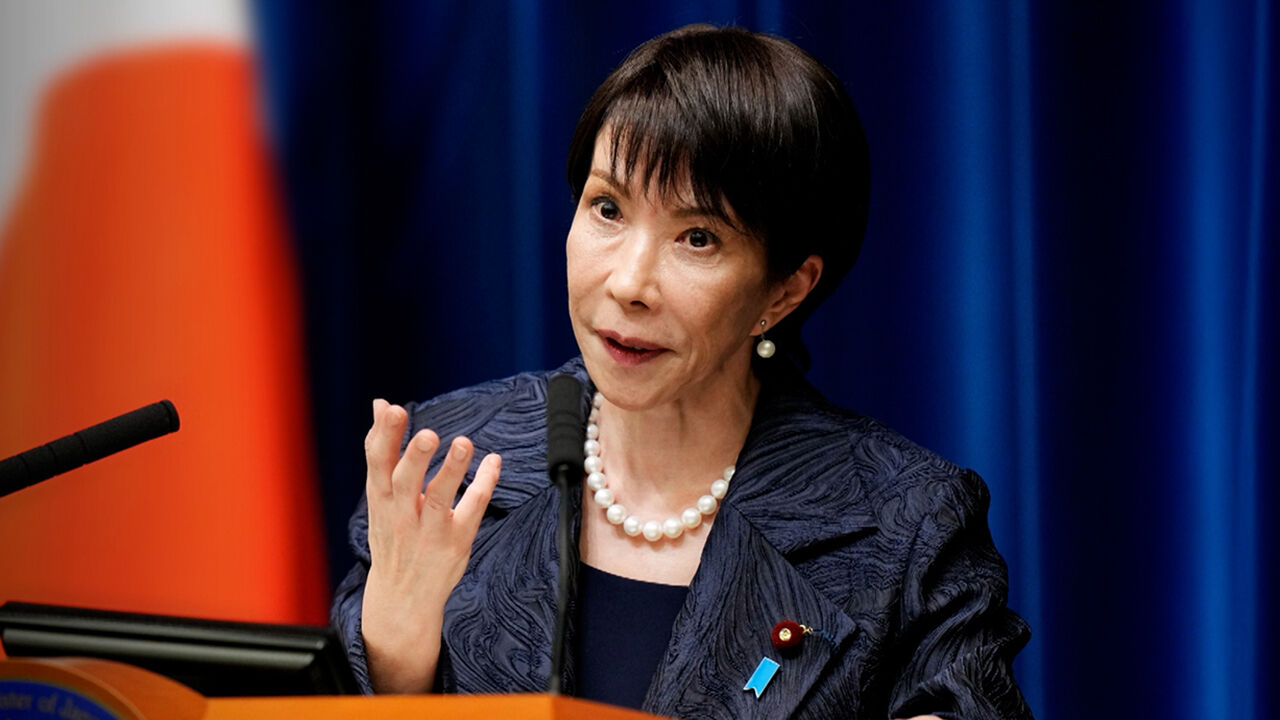
▲ Japanese Prime Minister Sanae Takaichi
Japanese Prime Minister Sanae Takaichi has strongly denied any espionage activities after a Japanese journalist was arrested by Russian authorities on spying charges.
According to NHK, when asked by reporters at the Prime Minister's Office on the 15th whether the Japanese government had been conducting espionage activities, Takaichi emphasized, "There is no such fact."
She added, "Interpretations of what the other side calls 'charges' vary, and each country's domestic laws are different. We do not yet know the details of what they are calling 'charges,' but we will firmly communicate Japan's position."
Regarding the detained journalist, Takaichi stressed, "The Ministry of Foreign Affairs is currently working hard and requesting access to the journalist from Russian authorities. Protecting our citizens is of utmost importance right now, and I want to focus our efforts on that."
Russian authorities announced on the 13th that they had arrested a Japanese journalist—a Russia-based correspondent for the Hokkaido Shimbun newspaper—on espionage charges in Sakhalin.
In response, the Japanese Ministry of Foreign Affairs strongly protested by summoning the Russian ambassador to Japan the previous day.
The Japanese government has still not been able to contact the detained journalist.
Chief Cabinet Secretary Minoru Kihara, the Japanese government spokesperson, stated, "Regrettably, at this point, we have not been able to contact the detained Japanese citizen. We are doing our utmost to conduct consular access as soon as possible to check their health status and well-being."
The Committee to Protect Journalists (CPJ), an international press freedom advocacy group, expressed deep concern over the arrest of the Japanese journalist and urged, "They must be released immediately."
The arrest of the Japanese journalist comes amid escalating tensions between Russia and Japan.
Bilaterally relations have been on a downward spiral since the Japanese government imposed a series of sanctions on Russia following its invasion of Ukraine.
Tensions deepened particularly in August when Russian President Vladimir Putin visited Iturup Island, prompting strong protests from Japan.
Last month, the Japanese government provoked Russia by conducting joint drills with the United States and Australia in Hokkaido, which is adjacent to the four disputed islands known in Japan as the Northern Territories. On the 2nd, Japan implemented additional sanctions banning 35 Russian vessels from operation, repairs, and insurance services.
Amid these developments, Russia notified Japan that it would conduct bombing drills in the four disputed islands, known in Russia as the Kuril Islands.
According to the Nihon Shimbun (Nikkei), Russia recently informed the Japanese government that it would carry out bombing drills on Iturup, one of the four islands.
The overall training period runs from the 13th to the 17th, and Russia also notified the closure of airspace over all four Kuril Islands, including Kunashir, Habomai, and Shikotan, from the 10th to the 16th.
In response, the Japanese government protested to Russia through diplomatic channels on the 13th, stating, "Russia's military buildup in the Northern Territories is unacceptable."
※ Please note: This article was translated by AI and may contain errors.


 Video News


 Video News
 Video News