
 KOR
KOR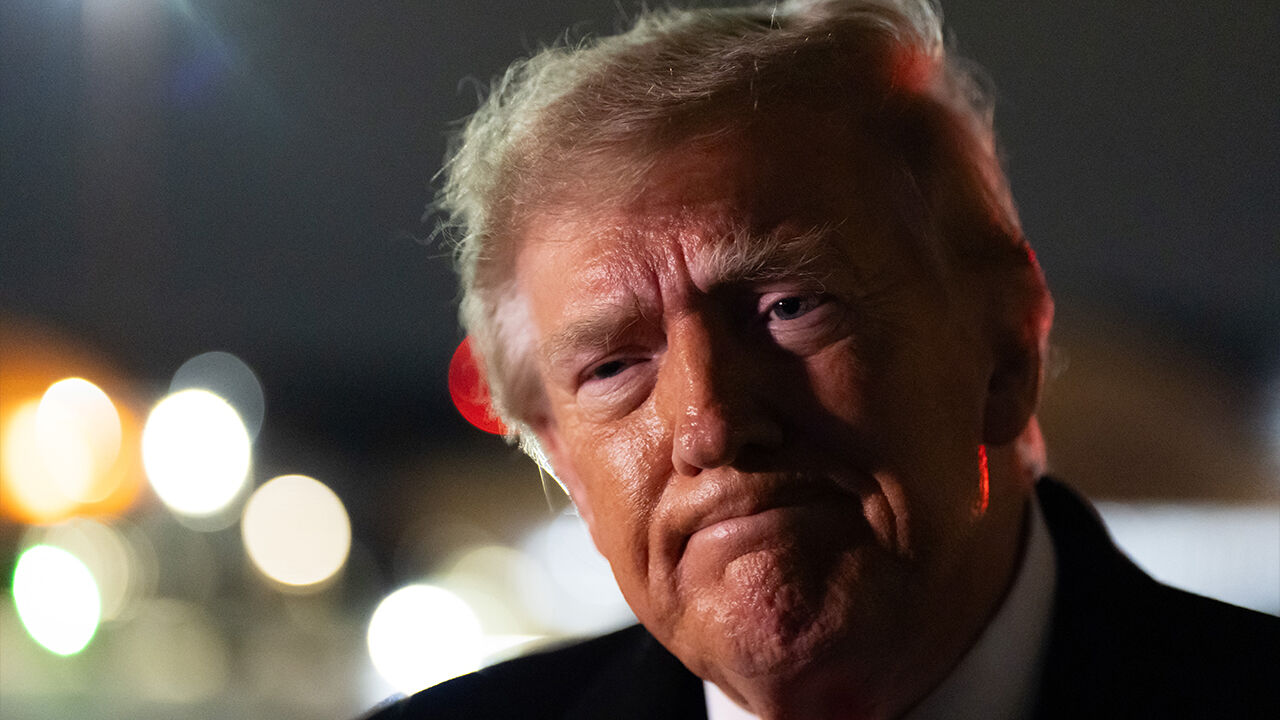
▲ U.S. President Donald Trump
U.S. President Donald Trump stated on October 11 (local time) that Russia and Ukraine have agreed to an energy sector ceasefire.
However, doubts have been raised over President Trump's announced ceasefire agreement as reports emerged that Russia continued airstrikes, including attacks on Ukrainian power plants, even after the announcement.
Writing on his social media platform Truth Social earlier in the day, President Trump said, "An energy ceasefire has been achieved in the war between Russia and Ukraine," adding that it takes effect immediately.
He went on to say, "Both sides have agreed," and urged them, "Do not violate it."
President Trump's reference to an "energy ceasefire" is interpreted as an agreement to halt attacks on energy facilities and similar infrastructure.
However, President Trump did not mention specific details regarding the scope or duration of the ceasefire.
Meanwhile, Ukrainian President Volodymyr Zelenskyy told U.S. online media outlet Axios, "This is the first I'm hearing of it," but added, "However, if Russia agrees to an energy ceasefire, Ukraine will too."
President Zelenskyy later stated on social media that "Ukraine supports a ceasefire and it is important that Russia supports it as well," while waiting for the U.S. side to release specific details, according to Reuters.
In a video address later that evening, President Zelenskyy also stated that Russia continued its attacks on energy facilities, including a combined heat and power plant in Kharkiv, Ukraine's second-largest city, even after President Trump's announcement.
It has not yet been officially confirmed whether Russia has agreed to the ceasefire.
Russia and Ukraine have previously exchanged attacks targeting each other's energy infrastructure.
Russia launched large-scale missile and drone attacks targeting Ukrainian power plants and grids on September 30 and October 7, causing blackouts in areas including the capital, Kyiv.
Ukraine has also targeted Russian oil refineries with drones, dealing blows to Russia's energy supply.
Recently, President Trump has strongly pressured Ukraine to stop attacking Russian oil refineries, citing rising global energy prices.
However, Ukraine's stance is that it cannot unilaterally stop attacks while Russia continues its assaults on Ukrainian energy facilities.
Amid these circumstances, President Trump announced on October 9 that he had agreed with Russian President Vladimir Putin to supply large quantities of Russian diesel to the U.S. and global markets.
To facilitate this, some sanctions against Russia were also eased.
This was interpreted as a measure to address rising energy prices ahead of the U.S. midterm elections in November.
However, President Zelenskyy strongly criticized the so-called "diesel deal," calling it "like a birthday gift for Putin." In response, President Trump argued that President Zelenskyy had rejected opportunities to end the war and claimed that Ukraine needs a new leader who can secure a peace agreement.
Thus, President Trump's announcement of an energy ceasefire between the two sides came immediately after tensions escalated between the U.S. and Ukraine over the issue of Russian diesel supplies.
With Ukraine expressing support for a ceasefire while Russia's attacks on energy facilities continue, Russia's explicit consent and cessation of attacks are expected to be the key factors for an actual ceasefire to take hold.
Previously, the two countries agreed in March of last year, mediated by the U.S., to suspend attacks on energy facilities for 30 days, but attacks continued afterward, leading to mutual accusations of violating the agreement.
President Trump also stated on September 14 that Russia and Ukraine had agreed not to attack each other's energy facilities, but both sides continued attacks targeting each other's energy infrastructure afterward.
(Photo: AP, Yonhap News)
※ Please note: This article was translated by AI and may contain errors.



 Video News
 Video News
 Video News
 Video News