
 KOR
KOR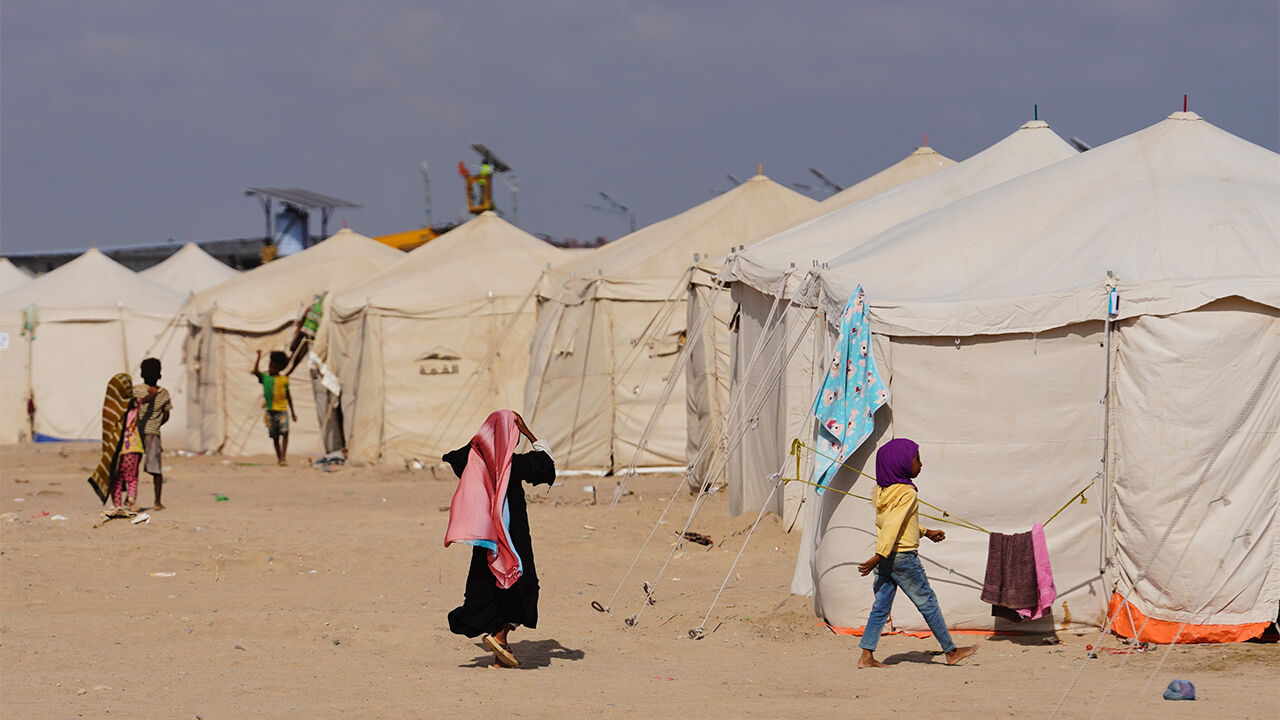
▲ A refugee camp in Ras Imran, west of Aden, Yemen
Yemen's Iran-backed Houthi rebels claimed on October 7 (local time) that they launched another attack targeting airports and military facilities in Saudi Arabia.
According to the AP and AFP news agencies, Houthi military spokesman Brigadier General Yahya Saree announced via social media that the group fired ballistic missiles and drones toward King Khalid International Airport in the Saudi capital of Riyadh.
Major General Turki al-Maliki, spokesperson for the Saudi-led coalition fighting the Houthis, said that a ballistic missile was intercepted over the skies north of Riyadh.
Flight tracking website Flightradar24 showed that flight operations around King Khalid International Airport experienced disruptions for a period of time on the same day.
Following the Yemeni government forces and the Saudi-led coalition's announcement of the "Dawn of Yemen" operation on October 4 to retake territory controlled by the Houthis, launching a massive offensive, the Houthis have stated that they have launched successive ballistic missile and drone attacks on airports and oil refineries in the Saudi mainland.
On October 5, the group claimed to have attacked King Khalid International Airport in Riyadh, the Aramco oil facility in the western coastal city of Rabigh, Abha Airport and the nearby Khamis Mushait air base in the southwest, as well as military facilities in the Asir, Najran, and Jazan regions. They also claimed to have attacked another Saudi airport the following day.
In response, the Saudi government stated that attacks on the airports in Najran and Jazan left three people injured and caused material damage, while adding that it intercepted and destroyed a ballistic missile fired by the Houthis toward Khamis Mushait.
The AP reported that new steel fencing has recently been installed around Aramco's fuel tanks and other facilities near the Riyadh airport.
The Institute for the Study of War (ISW), a US think tank, analyzed that "the Houthis believe that by attacking civilian infrastructure such as oil facilities and airports, they can maximize economic costs for Saudi Arabia and pressure Riyadh to accept Houthi demands."
Yemeni government forces and the coalition have been waging a massive ground and air offensive since October 4 to retake territory seized by the Houthis a month ago along the Red Sea coast and the Bab el-Mandeb Strait.
A Yemeni military official stated on October 5 that they had recaptured several key locations around the strait.
However, clashes are reportedly still ongoing around major strongholds such as Dhubab and Mocha.
The Houthis are also known to be continuing their offensive toward Taiz, Yemen's third-largest city, and attacked the international airport in Aden, the Yemeni government's temporary capital, using ballistic missiles and drones.
As fighting intensifies, the number of displaced persons within Yemen is surging.
The International Organization for Migration (IOM), a UN agency, announced on the same day that the number of internally displaced persons in Yemen jumped from 76,000 in mid-September to 201,217 within a few weeks.
IOM Director General Amy Pope urged additional funding as the demand for food and shelter increases, stating, "People are fleeing for their lives, but they are finding no safe place to go."
(Photo: AP, Yonhap News)
※ Please note: This article was translated by AI and may contain errors.


 Video News
 Video News
 Video News
 Video News
 Video News