
 KOR
KOR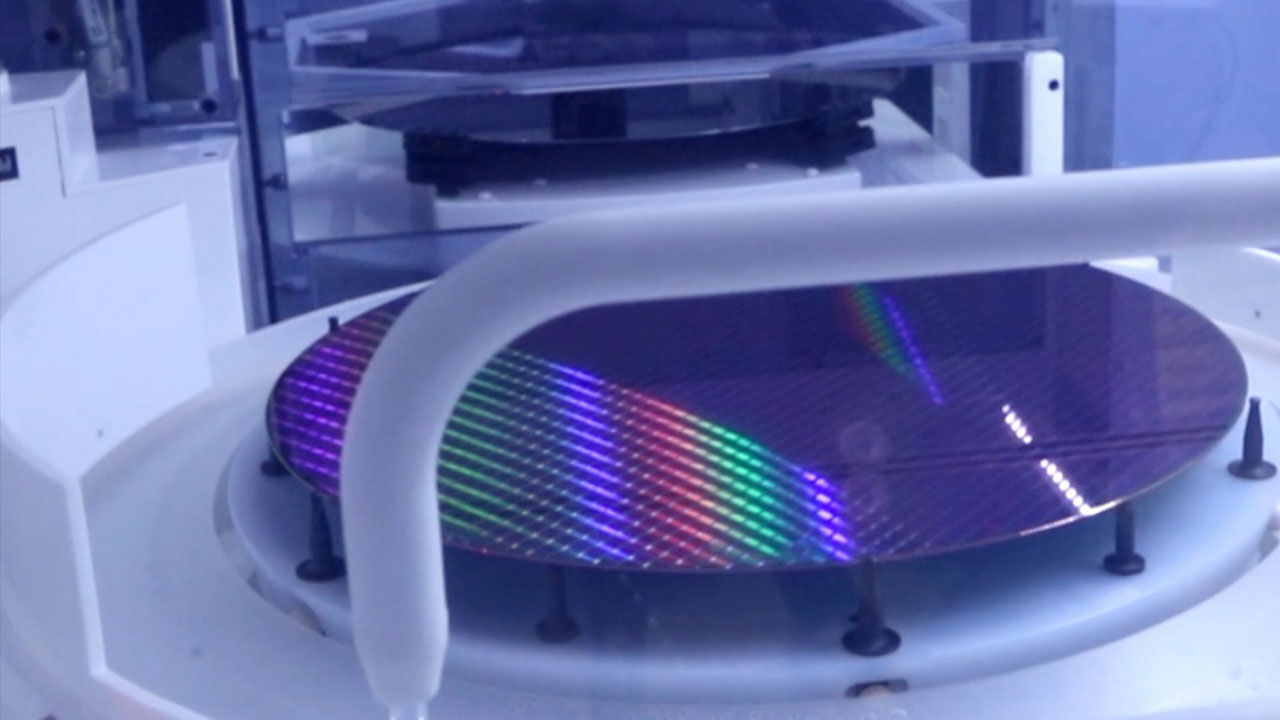
▲ Semiconductors (File Photo)
Driven by a semiconductor export boom in the second quarter (April-June) of this year, South Korean corporations' net fund operation scale reached a record high.
Meanwhile, a clear "money move" trend was observed among households, with deposits at banks decreasing and stock investments increasing.
According to the preliminary flow of funds statistics released by the Bank of Korea (BOK) on October 7, the net fund operation scale of non-financial corporations in the second quarter was tallied at 67.1 trillion won.
This is an increase of 46.2 trillion won from the first quarter (20.8 trillion won), marking the largest scale since relevant statistics began in the first quarter of 2009.
The fund operation scale of non-financial corporations surged from 137 trillion won in the first quarter of this year to 267.1 trillion won in the second quarter.
This included 84.3 trillion won in financial institution deposits, 16.3 trillion won in bonds, and 21.5 trillion won in equity securities and investment funds.
Kim Yong-hyun, head of the BOK's Flow of Funds Team, stated, "The net profit of listed companies increased from 111 trillion won in the first quarter of this year to 189 trillion won in the second quarter," adding, "This is the result of expanded net profits from semiconductor companies such as Samsung Electronics and SK hynix."
He analyzed, "Corporate net fund operations expanded due to increased corporate earnings following the semiconductor export boom," and "Companies increased their financial activities using their sharply surging surplus funds."
The net fund operation amount of households (including sole proprietors) and non-profit organizations in the second quarter of this year stood at 60.7 trillion won, down 18.5 trillion won from the first quarter (79.2 trillion won).
The BOK explained that household surplus funds decreased due to a decline in household income and an increase in net housing acquisitions.
The household fund operation scale in the second quarter (88.5 trillion won), before considering funds raised, also decreased by nearly 8 trillion won compared to the first quarter (96.3 trillion won).
In particular, deposits at financial institutions dropped from 29.4 trillion won to -23.3 trillion won.
Conversely, the operation amount for domestic and foreign equity securities and investment funds expanded from 61.4 trillion won to 101.6 trillion won.
Looking closely at the domestic and foreign equity securities and investment funds, resident-issued stocks surged from 18.3 trillion won to 67.2 trillion won, while investment fund shares jumped from 28.5 trillion won to 35.6 trillion won, respectively.
Non-resident-issued stocks decreased from 14.5 trillion won to -1.3 trillion won.
Influenced by an increase in stock valuation, the household asset-to-financial liabilities ratio rose from 2.60x in the first quarter to 2.78x in the second quarter, recording an all-time high.
Team leader Kim compared, "Short-term savings deposits of households at deposit-taking institutions decreased by 33.6 trillion won and long-term savings deposits by 5.4 trillion won, while both resident-issued stocks and investment fund shares reached all-time highs."
He evaluated, "It can be said that the money move trend was clearly evident in the second quarter."
The household debt-to-nominal gross domestic product (GDP) ratio was tallied at 81.1% at the end of the second quarter.
This is a 4.2 percentage point (p) drop from the end of the first quarter (85.3%), marking the lowest level since the second quarter of 2016 (80.2%).
Additionally, the general government shifted from net fund raising (-23.3 trillion won) in the first quarter to net fund operation (11.1 trillion won) in the second quarter.
Team leader Kim stated, "While nominal GDP grew by 6.2%, household debt increased by a mere 1.1%," and added, "There is a possibility of achieving the government's target of keeping the household debt ratio below 80% within this year."
(Photo: Yonhap News)
※ Please note: This article was translated by AI and may contain errors.


 Video News

 Video News

