
 KOR
KORSurged by 144%? Created to Block China, But...
So why is Europe pushing for this? After establishing subsidies and tax benefits to pursue decarbonization and go all-in on electric vehicles, European automakers did not see sales boom; instead, foreign automakers unexpectedly began to thrive. Among them, BYD, a leading Chinese automaker, saw its sales surge by 128% compared to last year as of August, specifically in the UK. Across Europe as a whole, sales jumped by 144%. In the first half of the year, BYD sold 174,000 vehicles, surpassing even Tesla. This marks the first time that has happened.
So Why Is Japan in Turmoil?
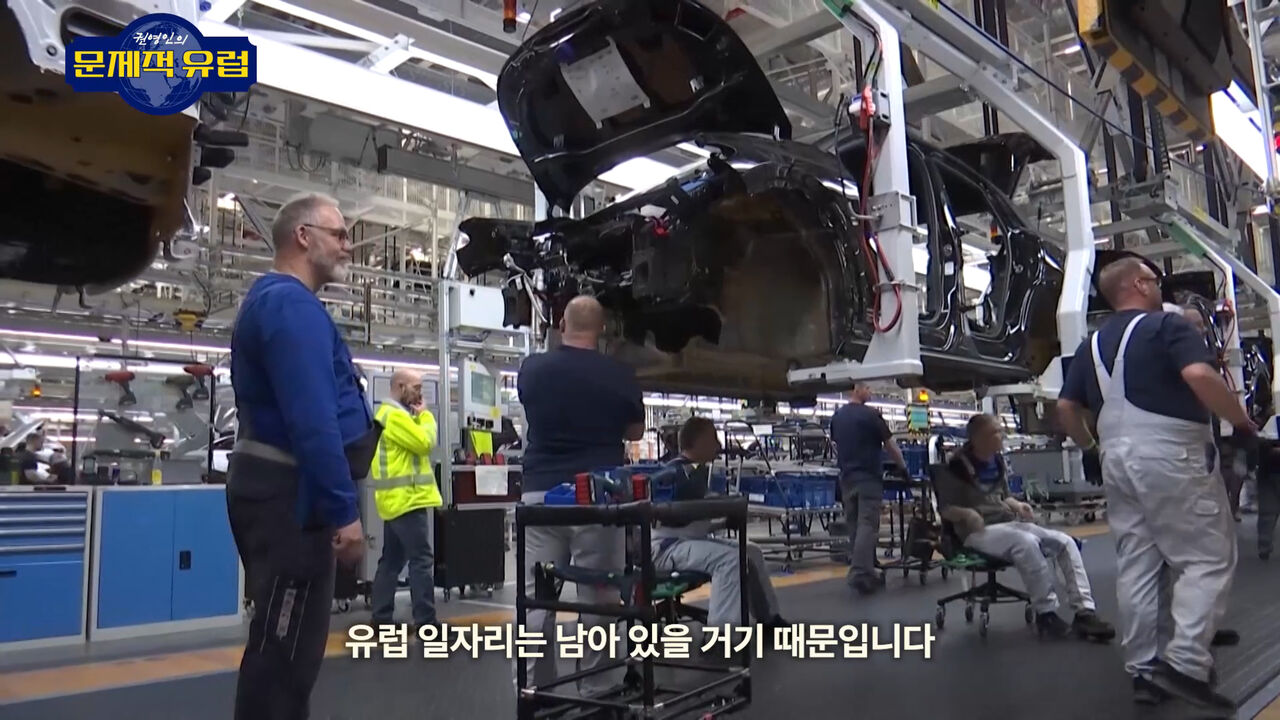
Nissan faces an even more bewildering situation. Nissan manufactures a compact electric car called the Leaf in Europe. Unfortunately, that plant happens to be located in the United Kingdom. Because the UK has left the EU, it cannot receive EU subsidies or tax benefits. Currently, manufacturing in the UK receives somewhat preferential treatment in terms of tariffs compared to manufacturing in non-European countries. However, under the "Made in the EU" law currently being pursued, those benefits will be virtually eliminated. Nissan built the UK plant 40 years ago to bypass European regulations, but now it can no longer enjoy those benefits. Consequently, concerns are already emerging in Britain that Nissan—where 30,000 jobs are at stake—might relocate to the EU.
They Sold This? China Smiles While Japan Weeps
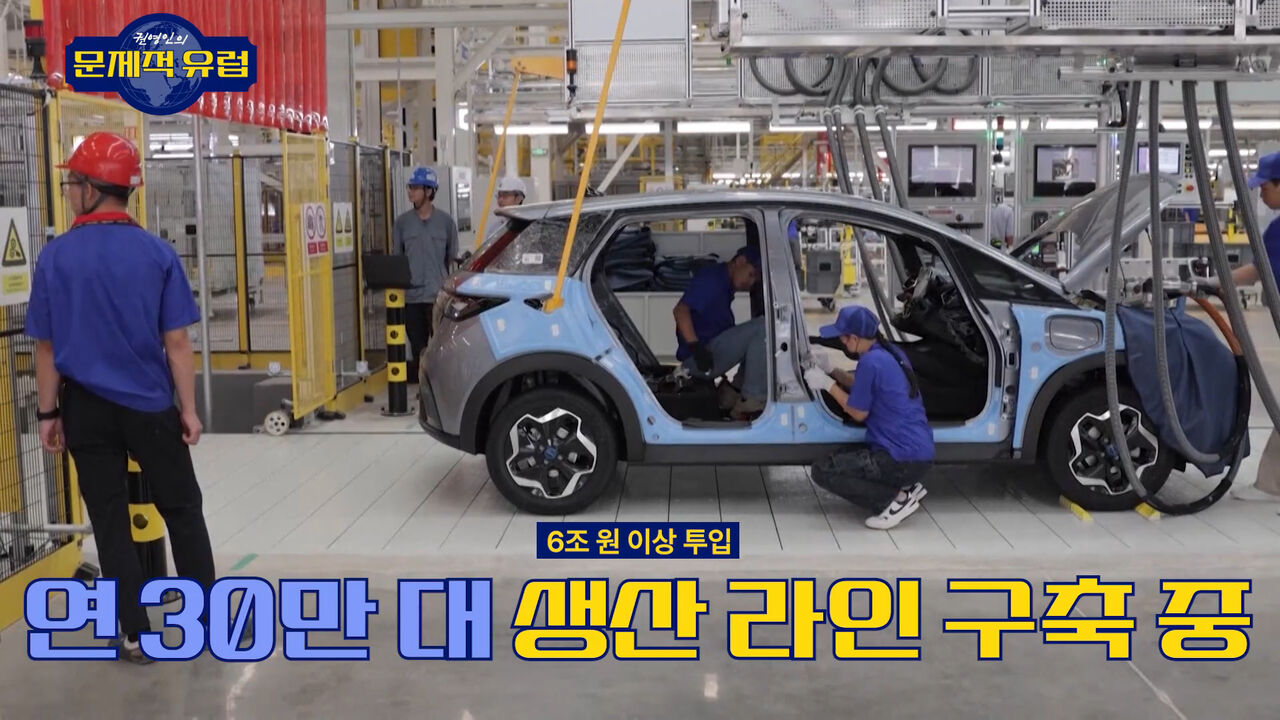
Chery, another Chinese electric vehicle brand, is equally remarkable. Chery's European factory is in Barcelona, Spain. But this was not built from scratch; Chery bought an existing auto plant. Purchased in 2021, the facility's original owner was none other than Nissan. Had Nissan kept it, the facility could have served as an advance base for Japanese EVs, but it was handed over to a Chinese automaker instead.
Then there is the familiar name Volvo. As is well known, Volvo was originally a Swedish brand, but its current owner is China's Geely. Therefore, Volvo's factories in Sweden and Belgium are Chinese-owned plants. Volvo is also constructing a new EV manufacturing plant in Slovakia.
In this way, there are already many Chinese electric vehicle factories in Europe. This year alone, roughly 90,000 Chinese EVs were produced in Europe. Forecasts suggest this figure could reach 1 million by 2030. Because Chinese automakers have prepared well and secured factories, concerns have been raised that they might simply import all components from China and merely assemble vehicles in Europe.
To prevent this, the legislation is being designed to require even parts to be "Made in Europe." It is even attempting to include provisions stipulating that foreign companies cannot hold more than a 49% stake when building European plants, and that technology and patents must be transferred to European partners. Although the legislation was clearly drawn up to rein in Chinese EVs, the sparks are flying at Japanese cars. Unable to build factories in Europe immediately, Japan has been lobbying European lawmakers, pleading, "Aren't we on the same side? Aren't we trusted partners?" and begging for special treatment.
For Japan, which lacks even assembly plants in Europe—let alone the ability to claim "Made in Europe"—this legislation is truly disastrous. There is another reason why Japan is moving so aggressively: the EU has left a small loophole. It opened the door slightly, stating that "trusted partners may receive treatment comparable to European-made products." Consequently, neighboring non-EU countries like the UK and Türkiye are knocking hard on that door. And Japan is now trying to step through that very doorway.
What About South Korea?
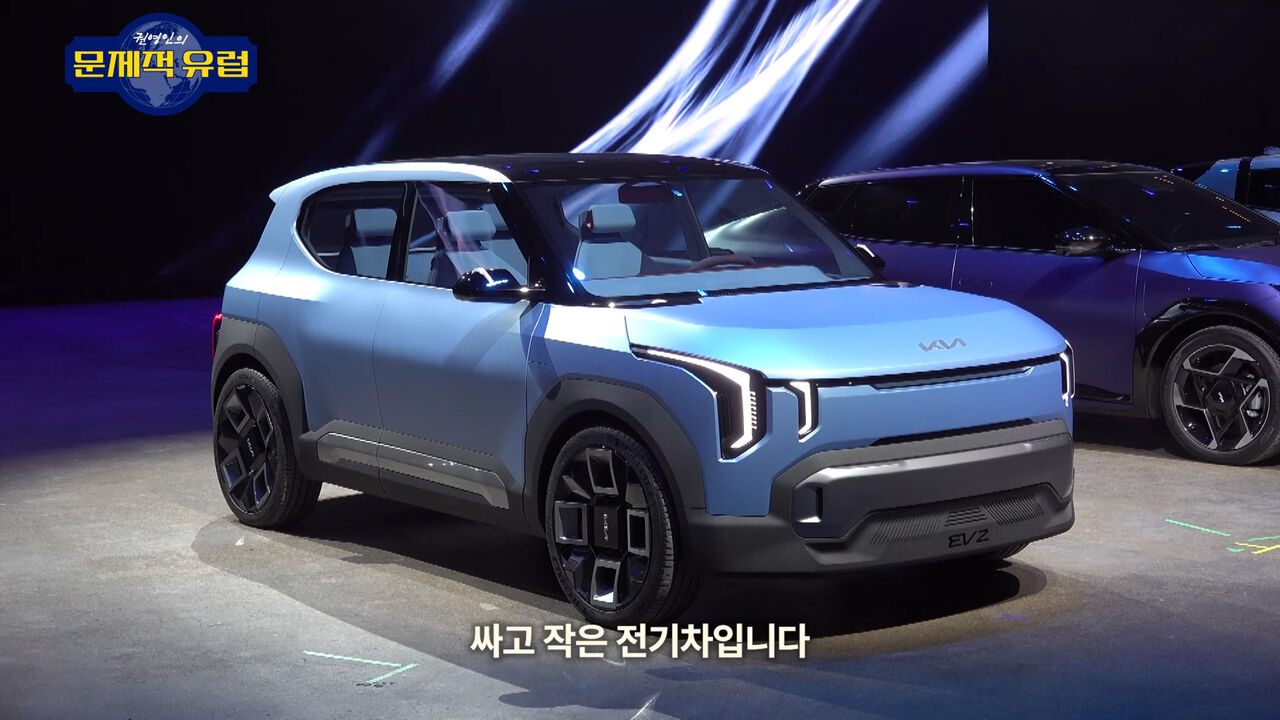
However, South Korea still sources more than half of its European EV sales from outside Europe. While there is a need to respond further to the European market, South Korea's position is far better than Japan's. Furthermore, South Korea has many battery companies, such as LG Energy Solution, with production facilities in Europe.
With over a year remaining before the Industrial Accelerator Act—designed to rein in Chinese products, particularly electric vehicles—is formally implemented, building an automotive factory typically takes around three years. Numerous steps are required, including site selection, regulatory permitting, factory construction, and operational stabilization. Especially in Europe, where administrative processes can be slow, establishing stable mass production can take up to five years. For this reason, rather than constructing new factories right away, Japanese automakers are trying to resolve the crisis by seeking preferential treatment, leaving the final outcome yet to be seen.
※ Please note: This article was translated by AI and may contain errors.



 Video News
 Video News
 Video News
